Climate action not at cost of food security







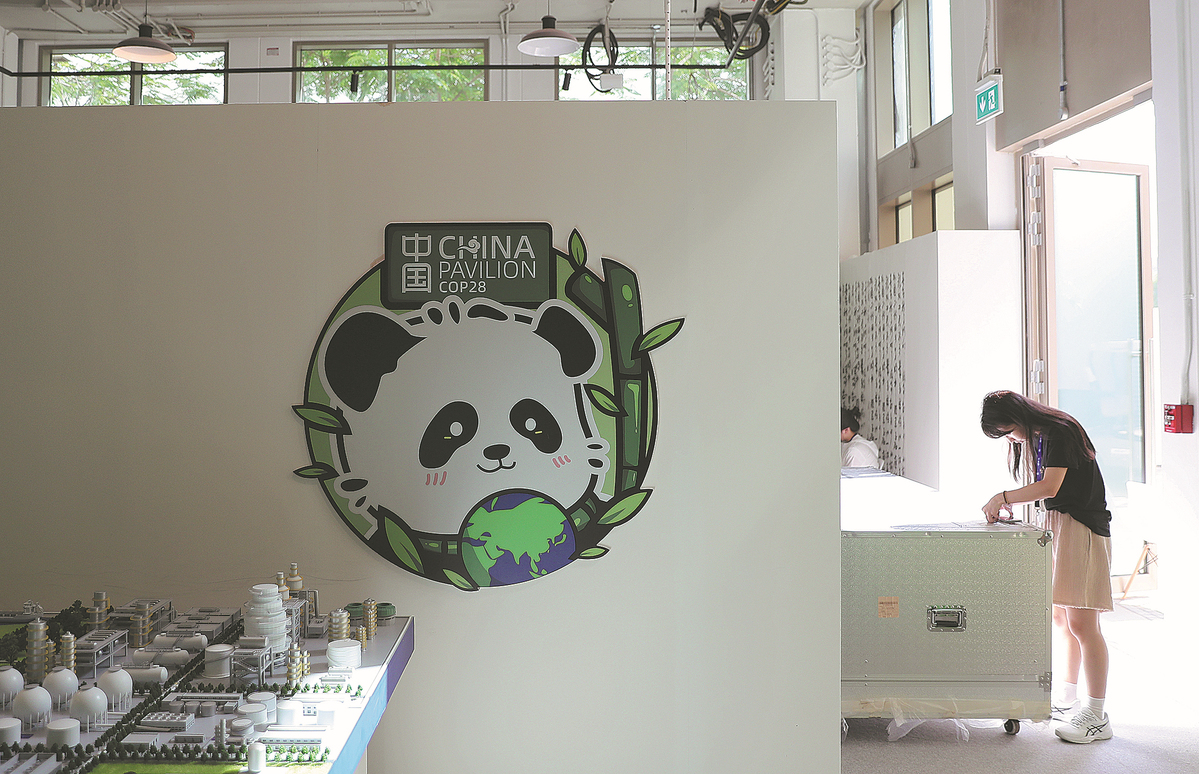
In the run-up to the ongoing 28th session of the Conference of the Parties to the United Nations Framework Convention on Climate Change (COP28) in Dubai, United Arab Emirates, global concerns over agriculture and food security increased manifold as extreme temperatures wrought havoc across the world. That climate change, especially extreme weather events including extreme heat, can threaten food security is relatively well known, but the contribution of food production and consumption, which accounts for one-third of the global greenhouse gas (GHG) emissions, to the drastically changing climate is not.
What makes the issue more complex is that we cannot phase out food consumption the way we are trying to phase out fossil fuels. In a world facing challenges such as the Russia-Ukraine and Palestine-Israel conflicts and rising inflation, countries are inclined to make food security their top national priority, making it even more difficult to reduce GHG emissions in the agricultural sector.
With 18 percent of the world's population and the largest food system, China shoulders huge responsibility. In fact, China is taking cautious steps to reduce GHG emissions by implementing policies aimed at improving agricultural productivity, reducing the use of chemical fertilizers and pesticides, and promoting green agricultural machinery.
Experts suggest that behavioral changes and shifts in people's lifestyle can help reduce global warming. In this context, two key measures are often mentioned: measures to reduce food loss and waste (which accounts for 8 percent of GHG emissions globally) and changing people's dietary habits (for instance, reducing the consumption of carbon-intensive food products such as red meat).
However, the Chinese people have a markedly different attitude toward these two issues. Let's start with food waste. With their living standards improving dramatically, the Chinese people have developed certain eco-unfriendly consumption habits and practices. According to a 2020 survey conducted by a task force of the Standing Committee of the National People's Congress, at least 34 million tons of food is wasted in restaurants in Chinese cities every year.
It is to reduce food wastage and raise public awareness about food security that the "Clean Plate" campaign was launched by the government in 2020. A year later, the government passed the Anti-Food Waste Law in 2021.
This may prompt many to argue that "campaign-style" reform works wonders in China. But is the campaign itself powerful enough to motivate individuals frequenting fancy restaurants, university canteens, and cafeterias in factories, hospitals and stores, to pay more attention to food waste, or even condemn bad behavior?
In Chinese culture, the traditional virtue of thrift has always been highly valued. Farmers can still be seen embodying the values of diligence and thrift.
But when it comes to reducing meat and milk (and milk products) consumption, the opposite has happened in China. In general, diners in China are not so enthusiastic about trying out fancy, exotic dishes, although the younger generation living in big cities is no stranger to the Mediterranean diet or the Nordic diet. They can even go vegan occasionally.
The Food and Agriculture Organization, the World Health Organization, and the EAT-Lancet Commission have emphasized that a healthy diet not only benefits the environment but also improves people's health. And there is no lack of Chinese scholars contributing to this subject. For instance, Fan Shenggen, a professor at China Agricultural University, has warned about the rapidly increasing number of obese and overweight people in China, and Zhang Yunhua, a research fellow at the Development Research Center of the State Council, has said meat consumption among urban and rural residents has exceeded the recommended healthy diet standard.
In China's case, dietary habits cannot be changed by drawing guidelines and pushing for change without considering the socio-cultural factors. And while urgent climate actions are needed, one has to understand that some behavioral changes take time to become reality.
The author is a writer with China Daily.
If you have a specific expertise, or would like to share your thought about our stories, then send us your writings at opinion@chinadaily.com.cn or comment@chinadaily.com.cn.