Two tigers of digital age
Singapore and China will use the BRI to advance high-quality and forward-looking cooperation, especially in new technology, green transformation and third-party cooperation








Despite being a small country, Singapore has invested significantly in strengthening ties with China. In addition to its embassy in Beijing, Singapore has six consulates general in China and is deeply involved in China's reform and opening-up process and the development of local provinces and cities in China. In addition, the two countries have carried out a number of local cooperation projects.
China is a big country with regional dynamics. It is important for Singapore to participate in regional development, to feel the pulse of different provinces and cities, and to understand the development priorities of different places. To date, Singapore has undertaken four national-level bilateral cooperation projects with China, namely the Suzhou Industrial Park, the Tianjin Eco-City, the China-Singapore (Chongqing) Strategic Connectivity Demonstration Project and the Guangzhou Knowledge City.
In April 2023, Singapore and China established a comprehensive, high-quality, forward-looking partnership. China is Singapore's largest commodity trading partner, and Singapore is China's largest foreign investor. This is a testament to the close economic and trade ties between Singapore and China. By the end of 2023, the cumulative investment of Singaporean enterprises in China reached US $141.2 billion.
Singapore has no domestic market, so it must treat the world as a market. It strives to maintain and expand its foreign trade network, and to participate in and develop regional free trade mechanisms (such as the Comprehensive and Progressive Agreement for Trans-Pacific Partnership and the Digital Economy Partnership Agreement).The regional economic and trade network will not only help attract more multinational companies to invest in Singapore, but also bring new jobs and development opportunities for Singaporeans. Moreover, it is conducive for Singaporean enterprises to better enter overseas markets and seek business opportunities.
Since joining the World Trade Organization in 2001, China has registered rapid economic growth and gradually integrated into the world economy. Singapore's economic development is inseparable from the Chinese market. Many Singaporean companies have already entered China. Singaporean companies' development strategy in China is to operate for the long term.
Singapore is the first Southeast Asian country to sign a bilateral free trade agreement with China. Economic and trade cooperation between the two countries has expanded from traditional trade and investment to high-tech fields such as artificial intelligence, big data, electric vehicles, biotechnology and aerospace. In addition, since the early 1990s, Singapore and China have also carried out fruitful cooperation in the field of cadre training. About 55,000 Chinese officials at all levels and in various industries have participated in various training programs in Singapore.
Singapore was one of the first countries to support and participate in the Belt and Road Initiative and is a founding member of the Asian Infrastructure Investment Bank. From Singapore's perspective, Southeast Asia needs to improve infrastructure, and infrastructure needs funding. China has the capacity to build large-scale infrastructure projects and provide financial support, while also developing trade and economic ties with countries in the region. The BRI has helped China to boost infrastructure financing and project development in the Asia-Pacific region, and will serve as an important platform for China to integrate into regional networks of cooperation.
Singapore is one of the important destinations for China's outward foreign direct investment. According to official Chinese data, China's accumulated direct investment in Singapore had reached $89.6 billion by the end of 2023. Thanks to Singapore's well-established and convenient infrastructure, high-level inter-regional connectivity, transparent governance, and its status as a major global financial center and transhipment hub, Singapore has become the regional operational headquarters and financing center for many Chinese enterprises entering Southeast Asia. Chinese companies also seek to expand internationally by leveraging Singapore's global trade network and experience.
Under the BRI, Chinese and Singaporean enterprises have successfully joined forces to carry out market cooperation in third-party countries, especially in Southeast Asian countries. In tandem with global trade flows and the restructuring of regional supply chains, Singapore can help China strengthen its ties with regional economies.
People-to-people exchanges are essential to deepen relations between the two countries, and tourism is a key area. China is one of Singapore's largest sources of foreign tourists as Singapore is one of the popular outbound destinations for Chinese nationals. On Feb 2,2024, the Agreement between the Government of the People's Republic of China and the Government of the Republic of Singapore on Mutual Visa Exemption for Holders of Ordinary Passports entered into force. Singapore is the first developed country to sign a bilateral visa waiver agreement with China.
The mutual visa exemption policy is conducive for the development of the tourism industry of the two countries. The implementation of the mutual visa-free measures will help promote people-to-people exchanges, which is of great significance for deepening the relationship between the two countries and promoting people-to-people bonds.
Singapore is a highly open island economy that is susceptible to changes in external factors. Amid the changes in the global geopolitical situation and the intensification of the great power competition, Singapore does not rely on any major power and will not choose sides between China and the United States. In seeking to create a favorable external environment for its development, Singapore has always strived to maintain and strengthen friendly relations with major countries.
Looking ahead, Singapore and China will advance high-quality and forward-looking cooperation, especially in the areas of digital economy, green transformation and third-party cooperation.
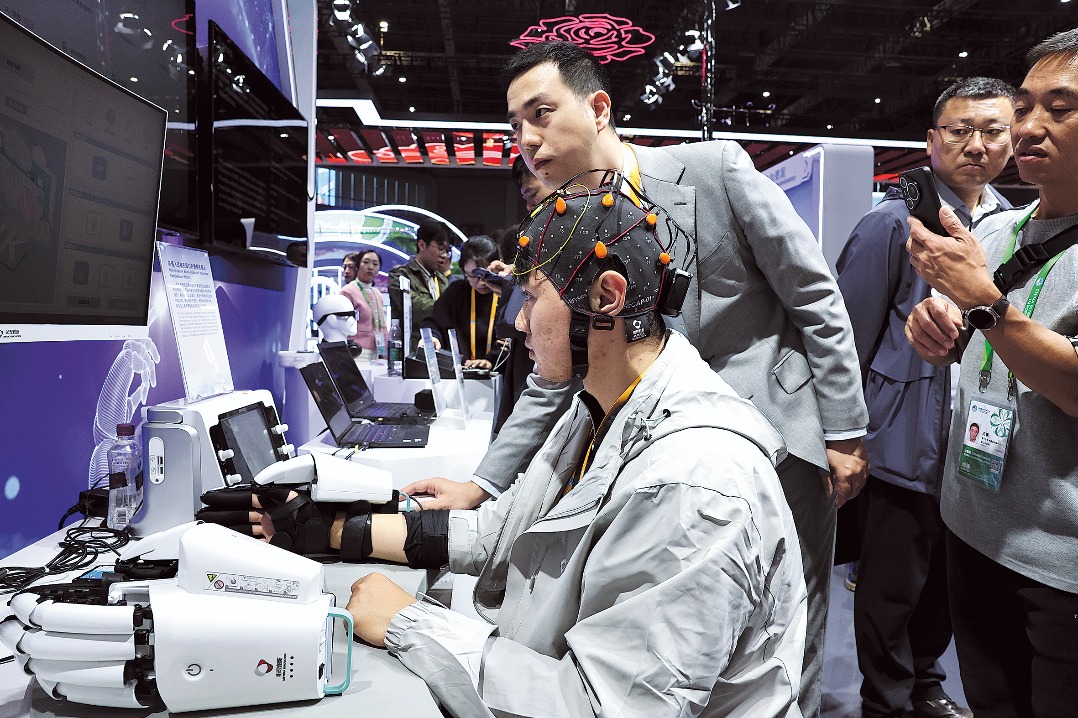
The digital economy is becoming one of the new highlights of bilateral cooperation and it is an important growth area and development opportunity for both Singapore and China. China has officially applied to join DEPA. China's accession to DEPA will create new opportunities for the two countries to strengthen cooperation in the digital industry, provided that the standards are met and remain in place.
The author is a senior research fellow at the East Asian Institute of the National University of Singapore. The author contributed this article to China Watch, a think tank powered by China Daily. The views do not necessarily reflect those of China Daily.
Contact the editor at editor@chinawatch.cn.