Empower Yangtze delta region as a knowledge hub








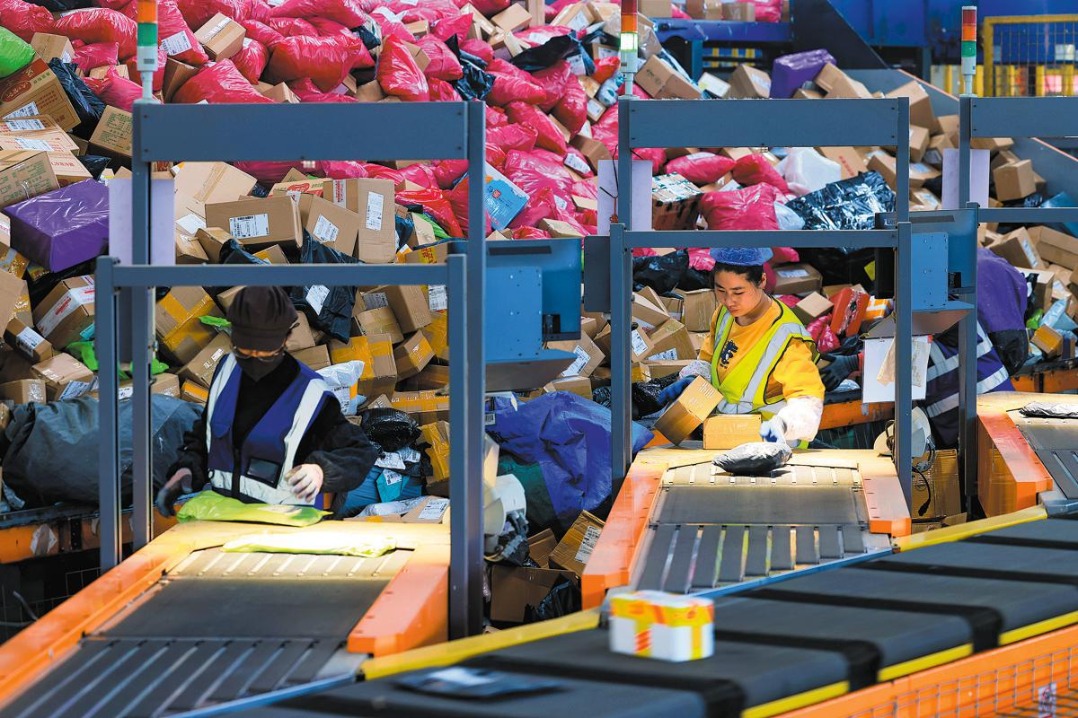
The transformation of China over the past few decades has been nothing short of miraculous. Shanghai attracts a lot of Chinese talents and for long has boasted the highest GDP among cities in China. The neighboring provinces of Zhejiang and Jiangsu are well known manufacturing hubs, and Anhui province sits in the top half in China in terms of GDP and has made strides in tech-centric industries such as electric vehicles.
Broadly speaking, the Yangtze River Delta region project seeks to pursue a common blueprint for further developing the entire region that is both unified and separated by the great Yangtze River.
Cities in this region — Shanghai, Hangzhou, Nanjing and Suzhou being some prominent examples — have been linked by an extensive network of roads and trains. The railway network compares with the best I have ridden anywhere in the world, and, if you consider the value proposition, is arguably unchallenged.
Incidentally, despite its modern infrastructure and high-tech achievements, Shanghai is one of the most bicycle-friendly megacities in the world, and the bicycle-only trail in Pudong district along the Huangpu River is a dream for urban cyclists. Shanghai is also home to some excellent universities, from the more specialized Shanghai University of Finance and Economics to the comprehensive ones like Fudan University next door. Several tech companies have built gigantic buildings close by, and over the past several years the area around Yangpu district has taken on the look of a tech hub. Not to be outdone, Hangzhou has several universities, Zhejiang University being perhaps the best known.
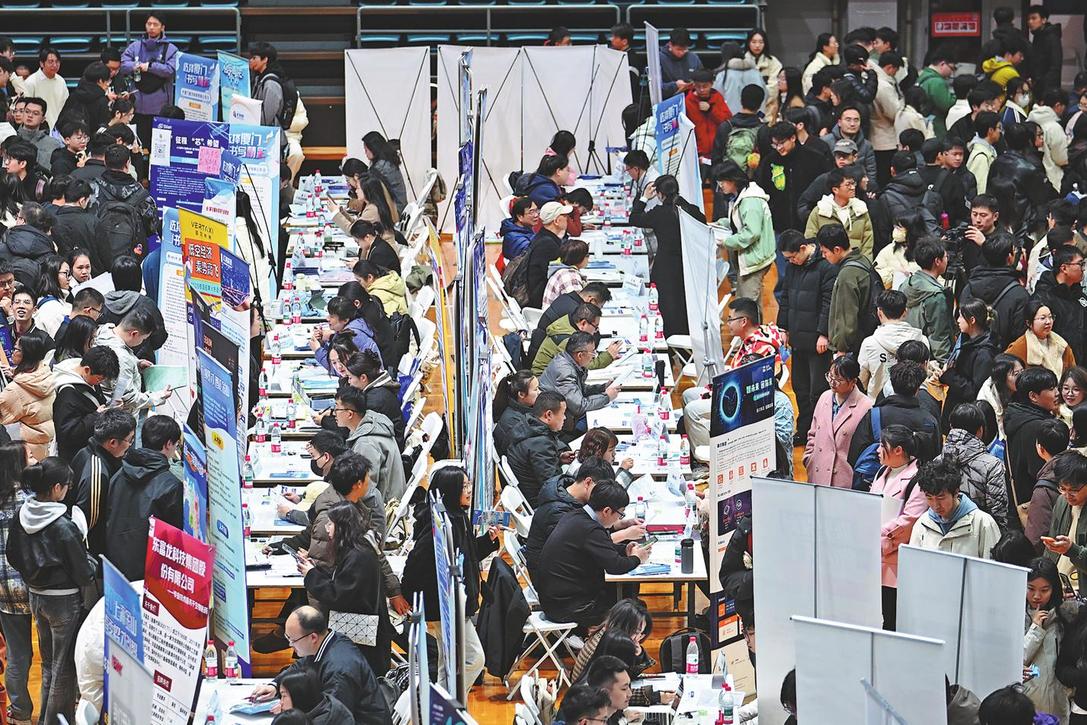
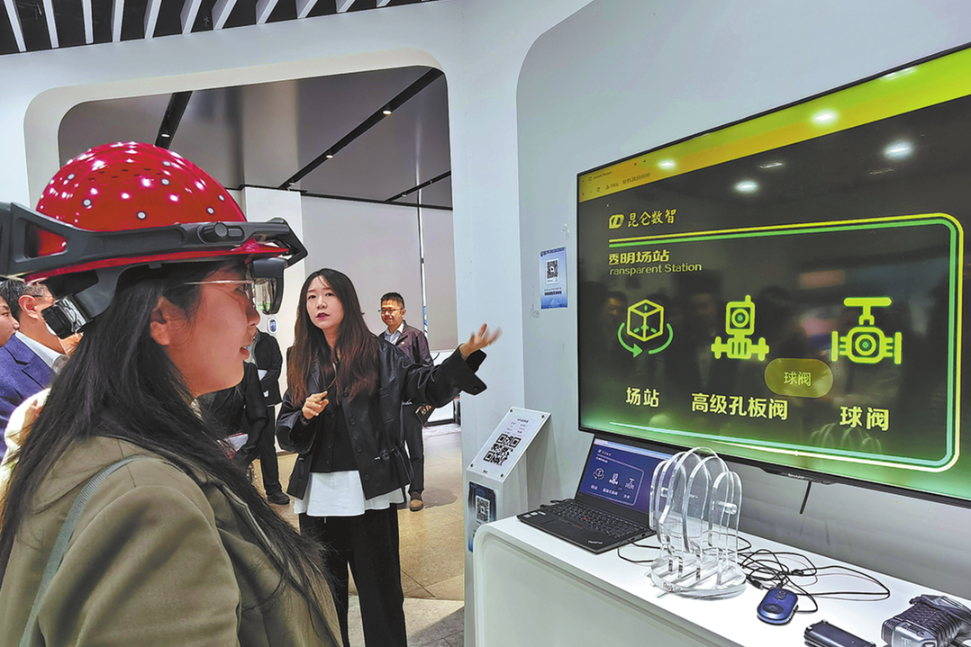
China's manufacturing prowess needs no introduction. The universities have churned out capable scientists, economists and other academics and professionals. The question is: Can China now move toward becoming a knowledge powerhouse? How does it get tech startups to invest in the creation of new technologies, rather than in finessing available ones or adapting these to the Chinese market?
I am not belittling the latter goal, which Xiaomi has achieved with remarkable results. But now is the time to effect a transformation. Knowledge creation starts with education. So we should also ask: How do we get the universities to go from being the best in China to the best in Asia, eventually paving the way for some of these to rise to the top of the global world list?
The Yangtze River Delta region project should be part of the answer to the above questions and quests. Funding is critical to the success of tech ventures. For years gigantic companies such as Amazon didn't turn profitable — had the investors deserted them in those days, we would have missed out on much today. To succeed spectacularly, one must also be ready to accept and overcome failures. Funding ventures should come with this understanding — there is a need to fund not just the safe bets, but also the risky bets that have a huge "upside". The same goes for funding research.
The curricula at top universities must play a supporting role, offering new materials focused on artificial intelligence and machine learning alongside the more traditional materials. One possibility is to offer students the ability to specialize within the major — for example, a major in statistics with a specialization in machine learning. This, of course, would require a larger body of elective courses and might take some time to implement.
There is also a need to liaison with the world. Foreigners are more likely to appreciate China if they see it first hand — the friendly and helpful people and the impressive infrastructure built at a dizzying pace in just a few decades. It is hard, and not necessary, to make China bilingual at short notice. It's much easier to provide a comprehensive Android English map. In the longer run perhaps China should focus on spoken English, as a means of communication not just coursework.
Spoken English is the crux — every year I encounter students who can write well enough to get the job done, but cannot speak or even understand English spoken by a native speaker. Any improvement on this front would not only enable students to acquire knowledge from more sources, but also facilitate conversation between China of the future and the world.
The author is an associate professor at Shanghai University of Finance and Economics. The views don't necessarily reflect those of China Daily.
If you have a specific expertise, or would like to share your thought about our stories, then send us your writings at opinion@chinadaily.com.cn, and comment@chinadaily.com.cn.