Why is the Global South picking up steam?







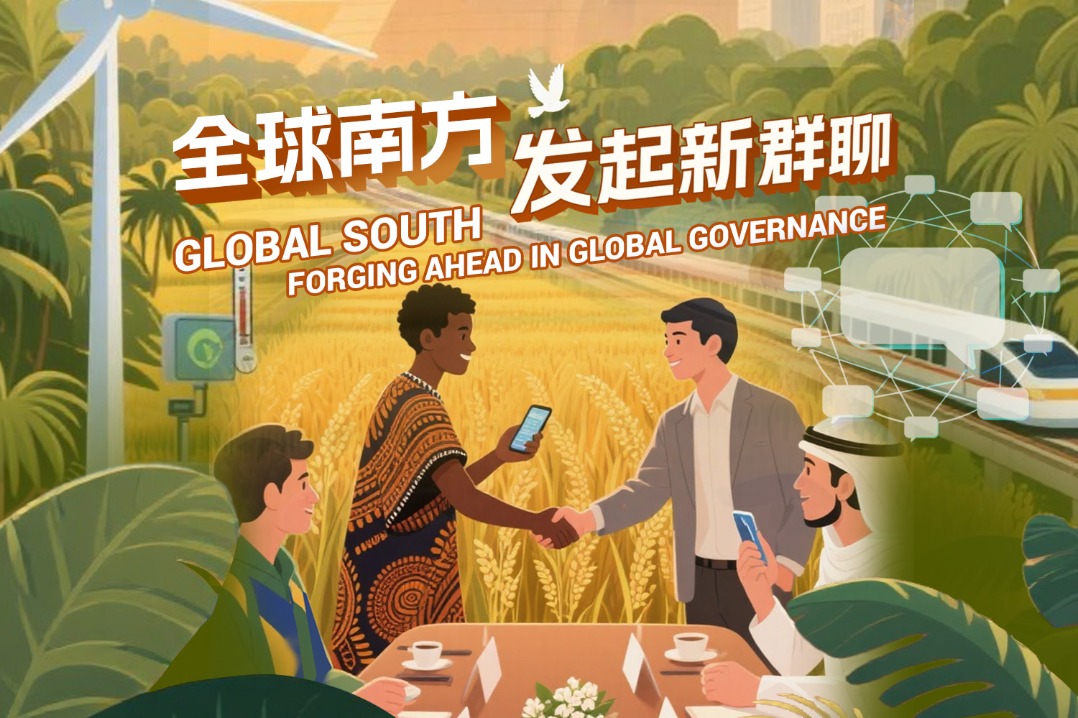
The term Global South has recently become a buzzword. A growing number of countries call themselves members of the Global South. China, Brazil, India and other major countries representing the group have hosted seminars and forums one after another on the theme of the Global South. Even developed countries are actively seeking closer ties with the group. The United States and European countries highlight the Global South’s significant role in reshaping the world order, while Japan proposes to be a bridge between the G7 and the Global South.
In fact, the term Global South is not something new. Back in the 1950s, a group of countries located geographically to the south of the colonial powers, unable to bear the bullying of the powers in the north, rose up against them and their colonial and hegemonic acts. They fought relentlessly for national independence and liberation, and advocated for a more just and equitable international political and economic order. In such a context, Global South and “anti-colonialism and anti-hegemonism” became popular political terms.
The revival of the term Global South is apparently attributed to similar circumstances. In recent years, traditional and non-traditional practices of hegemonism and colonialism, including political interference, security threats, economic sanctions, ideological attacks and media coercion, have become all the more rampant. Countries falling victim to these practices have had enough. Once again, they mustered the courage to unite and resist, just as those countries did back in the day, to rally around the banner of the Global South.
Nevertheless, today’s Global South is not exactly the same as what it was. The most notable difference lies in its scope, strength and in depth, which manifest the characteristics of the new era.
The Global South grows bigger. While the Global North might be the same powers, the Global South has expanded to include more countries across the globe. From South to North, East to West, a growing number of countries, groups and peoples, some even from the Global North, begin to question: Who gives you the right to bully? Why on earth should we endure and compromise? With these questions in mind, they join the ranks of open resistance.
The Global South becomes stronger. The once oppressed countries and peoples have now united through different ways in various organizations. The Shanghai Cooperation Organization keeps expanding, countries are lining up to apply for BRICS membership, and the Group of 77 becomes more active than ever. After decades of development, countries of the Global South are not what they were. Their strengths have risen markedly. Together they forge an increasingly powerful force.
The Global South digs deeper. Apart from fighting for their own rights and interests, the Global South countries seek to put forward new proposals on improving the regional and international order, refining the rules governing international relations, and addressing new global challenges and issues. What they are doing is to dig deeper to fix the unfair and unequal world.
The world is undergoing profound changes. While there are many forces driving the changes, the tide of the Global South is surging forward unstoppably with formidable power. As long as hegemons are still there and attempt to suppress and obstruct others from the position of strength, they will inevitably provoke widespread and fierce resistance and encounter roaring torrent against them. In that sense, the Global South will keep picking up steam to become a key driver steering the changes of today’s world.
The author is a Beijing-based international affairs commentator.
The views don't necessarily reflect those of China Daily.
If you have a specific expertise, or would like to share your thought about our stories, then send us your writings at opinion@chinadaily.com.cn, and comment@chinadaily.com.cn.