Wastewater calls for caution







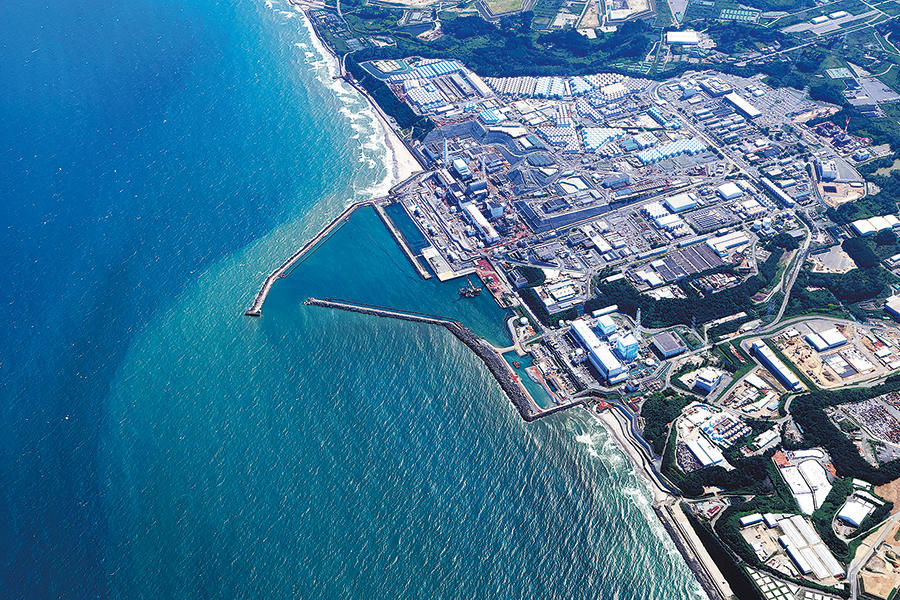
That China and Japan have reached a consensus recently, after several rounds of negotiations, on some issues related to Japan's discharge of nuclear-contaminated water from the Fukushima Daiichi nuclear power plant that was destroyed by an earthquake-triggered tsunami in 2011 is indeed good news. Yet we need to be cautiously optimistic about the issue.
According to a statement issued by the Foreign Ministry on Friday, China will jointly monitor the discharge of the nuclear-contaminated water under the International Atomic Energy Agency framework and independently sample the water collected from near the mouth of the drains discharging the wastewater. And based on the results of the sampling, China will adjust its measures to gradually resume the import of Japanese aquatic products.
Tokyo began dumping the nuclear-contaminated water into the sea on Aug 24, 2023, without exploring other, safer options, ignoring the concerns of other countries that the water could damage the marine environment and human health.
As a result, China and some other countries and regions banned the import of Japanese aquatic products, in order to safeguard people's health.
But instead of realizing the countries and regions were justified in imposing the ban, Japan claims they are overreacting and politicizing the issue. Paradoxically, in a telling sign of Tokyo being well aware of the environmental damage its irresponsible action will cause, it has pledged to provide compensation for Japanese fishermen who have been opposing the radioactive water discharge plan.
As a close neighbor and one of the most important stakeholders, China has opposed Japan's discharge plan right from the beginning, urging the Japanese side to heed domestic and international concerns, and cooperate with other countries to establish an independent international mechanism to jointly monitor the discharge of the radioactive water.
That being said, the consensus Beijing and Tokyo have reached will help the latter cash in on China's huge market. Japan's exports of aquatic products to China, including pearls and coral, plunged from 87.1 billion yen ($592 million) in 2022 to 61 billion yen in 2023, and 3.5 billion yen in the first half of 2024, according to Reuters.
But whether China will resume the import of Japanese aquatic products will depend on the outcomes of the sampling of the discharged water. And since Japan will likely need three decades to dump all the nuclear-contaminated water from the Fukushima plant, China's monitoring and sampling will also be a long-term process.