2025 a crucial year to reflect on history








Each year carries its own significance, but 2025 stands out as especially momentous from a global perspective. It will mark the 80th anniversary of two pivotal events in modern history: the end of World War II and the establishment of the United Nations.
These milestones are more than just historical dates; they represent humankind's resolve to overcome conflict and forge a path toward peace and cooperation. As we commemorate these events, it is imperative that individuals, communities and nations across the globe reflect on the unparalleled value of peace and the urgent need for better global governance.
The world of 1945 was scarred by years of unprecedented destruction and loss. World War II left an indelible mark on every continent, reshaping political borders and altering the trajectory of nations. In its aftermath, the establishment of the United Nations represented a collective acknowledgment that peace could not be taken for granted. It was a commitment to dialogue over war, cooperation over division. While progress has been made since then, the challenges of our era demand renewed dedication to these ideals.
The world has changed dramatically since 1945. Technological advancements have transformed societies, economies and the way nations interact. Yet with progress have come new and complex challenges that threaten the stability of the world order.
One of the most pressing dangers of our time is the deepening entrenchment of the atomic age. Nuclear weapons, developed during World War II, continue to pose an existential threat. Despite treaties and diplomatic efforts to curb proliferation, the risk of their use remains alarmingly high, fueled by geopolitical tensions and the erosion of international norms.
Equally concerning is the weaponization of artificial intelligence. While AI holds immense potential to address some of humankind's greatest challenges, its misuse in warfare and surveillance raises profound ethical and security concerns.
Autonomous weapons systems and cyber warfare could destabilize entire regions, undermining trust between countries and escalating conflicts in unpredictable ways.
Unfortunately, the persistence of inequality reminds us that the promise of a better future remains unfulfilled for many. Economic disparities between and within countries perpetuate cycles of poverty, instability and social unrest. Climate change, another pressing challenge, disproportionately affects the poorest and most vulnerable, exacerbating inequality and forcing millions of people to flee their homes due to rising seas, droughts and extreme weather events.
Despite these formidable challenges, humankind is not without hope. We possess the tools and knowledge to address these crises. Scientific innovation, international cooperation and a growing awareness of our interconnectedness provide a foundation for progress. However, realizing this potential presupposes two essential conditions: the preservation of peace and the reform of global institutions, particularly the United Nations.
The original architects of the UN envisioned a world where nations would work together to prevent war and foster development. While the institution has made notable contributions, from peacekeeping operations to humanitarian aid, its structure reflects a bygone era. The geopolitical realities of 1945 no longer align with those of 2025. To effectively address contemporary challenges, the UN must evolve, becoming more inclusive, and responsive to the needs of all countries, not just the powerful.
The dangers of nationalism cannot be overstated. In the years leading up to World War II, nationalist fervor fueled territorial ambitions, economic protectionism and a disregard for international norms. The result was catastrophic. In the post-war years, efforts to promote multilateralism and global cooperation were a direct response to the horrors of nationalism run amok.
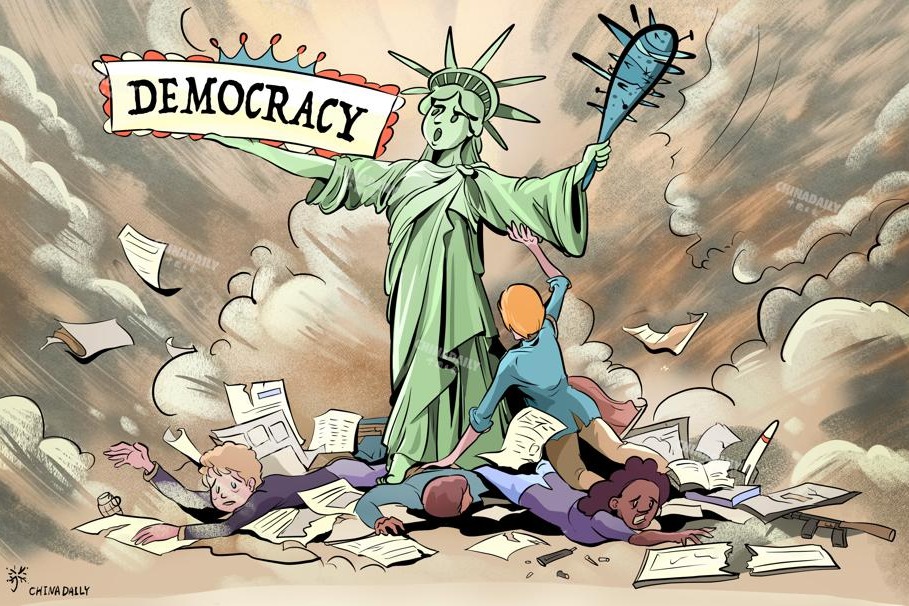
Today, however, we see a resurgence of nationalist ideologies in many parts of the world. Isolationist policies, xenophobia and the erosion of multilateral agreements threaten to undermine decades of progress. If we fail to learn from history, we risk repeating its darkest chapters. "World War III" will not be averted through military might alone; it requires a collective commitment to avoid the pitfalls of nationalism and prioritize dialogue and cooperation.
As we enter the year of 2025, we are called not only to remember the past but also to act for the future. Commemorating the 80th anniversary of the end of World War II and the founding of the United Nations is more than a historical exercise; it is a reminder of what is at stake. Peace is not a given — it is a daily effort, a shared responsibility.
To secure a better future, we must address the root causes of conflict and inequality. This means investing in education, fostering inclusive economic growth, combating climate change, and ensuring that technology serves humankind rather than endangering it. Most importantly, it means strengthening global institutions and recommitting to the principles of cooperation and mutual respect.
The lessons of 1945 remain as relevant today as they were eight decades ago. Our world is interconnected, and our destinies are intertwined. In 2025, let us honor the sacrifices of those who came before us by building a world where peace and progress are not just ideals but realities.
The author is the founder of the China-Europe-America Global Initiative, editor of China and the World in three volumes and the creator of the Inspiring Series, a collection of books that aims to introduce China to the world.
The views don't necessarily reflect those of China Daily.
If you have a specific expertise, or would like to share your thought about our stories, then send us your writings at opinion@chinadaily.com.cn, and comment@chinadaily.com.cn.