China has to embrace innovation-driven future








China's rapid development in the electric vehicle and new energy sectors has garnered widespread attention globally. However, some economists have raised concerns about whether China can identify a sustainable pillar for its economic growth following the recent slowdown in the real estate sector.
These contrasting perspectives indicate China is undergoing a critical transition: It is no longer just a low-cost manufacturing hub but also evolving into an innovation-driven economy.
China's entry into the new phase of economic development gives rise to several questions: Can it establish high-quality high-tech industries to sustain long-term growth? Will innovation become the main driver of the Chinese economy? And what factors will facilitate this transformation?
China's per capita GDP was just $156 when reform and opening-up were launched in 1978. But despite being a low-income country, China was one of the most competitive economies due to its low labor and other costs. For decades, this low-cost advantage fueled exports and industrial growth, which in turn increased China's per capita GDP to more than $13,000 by 2024, just shy of the high-income threshold defined by the World Bank.
This means Chinese people's living standards have significantly improved. But this also means overall costs have risen. Low labor cost countries such as Vietnam, Bangladesh and India have attracted many low-end manufacturing units which China once dominated. As such, China should shift from producing low-cost goods to manufacturing higher-value, innovation-driven products to maintain its global competitiveness.
China's demographic dividends began declining about a decade ago. Today, 15 percent of China's population is above 65, and the percentage is rising. A rapidly rising aging population reduces a country's workforce and increases the economic burden of eldercare, posing a significant challenge to sustained growth. Lessons from Japan, which faced similar demographic challenges during its "lost decades", suggest that improvement in productivity and technological innovation could mitigate the impact of a shrinking workforce.
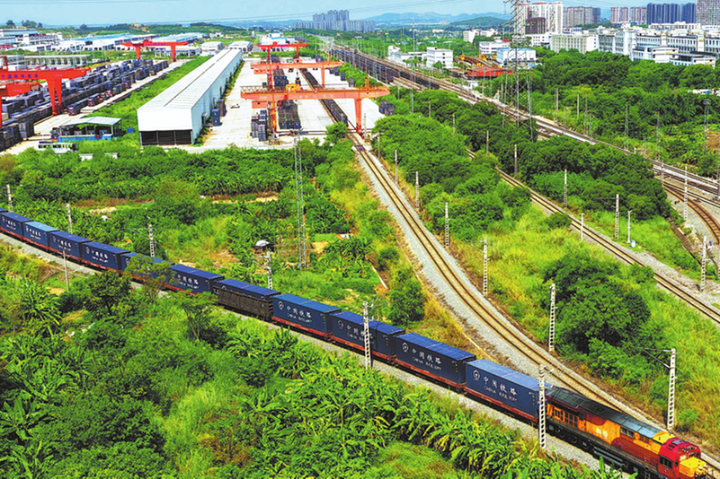
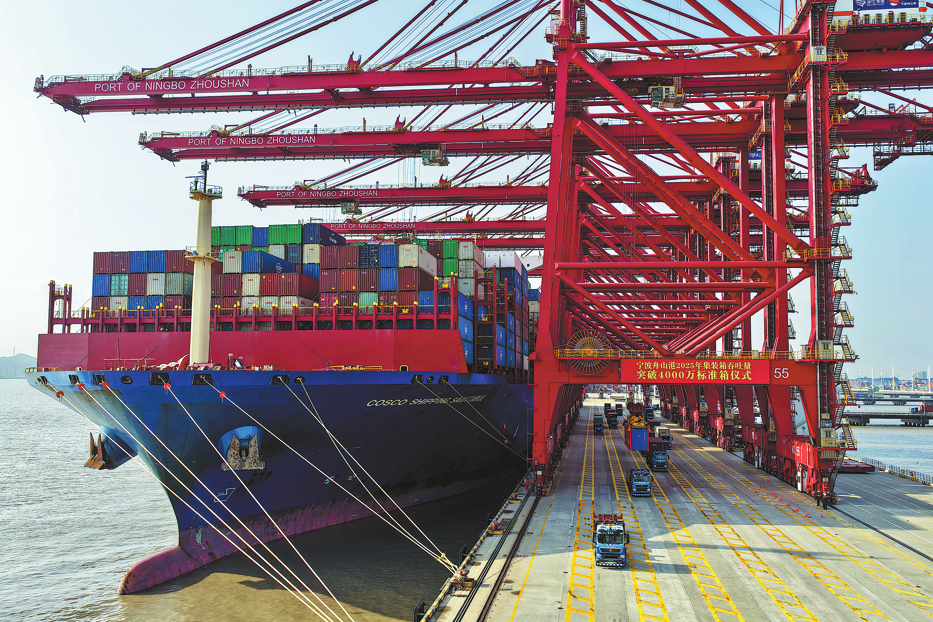
For more than 40 years, China's economic success was tied to globalization. Its exports-driven economy thrived in a world of open markets and foreign investment. But recent years have seen the US resorting to trade protectionism and imposing punitive tariffs on Chinese goods, which have impacted global trade and the Chinese economy. As globalization retreats, China should prepare to navigate a more hostile global environment while seeking new channels for economic cooperation.
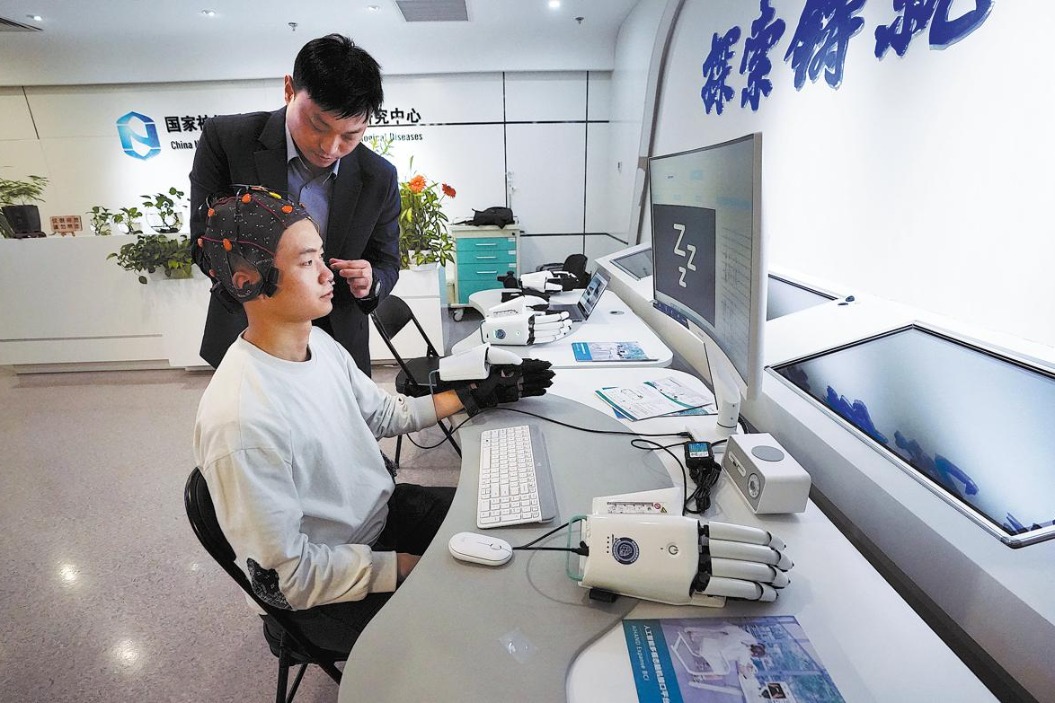
In fact, China has shifted from quantity-driven growth to innovation-driven development. Technological advancements in fields such as artificial intelligence, big data and cloud computing are creating new opportunities for growth. According to labor economists and digital technology experts quoted in "China 2049: Economic Challenges of a Rising Global Power" — a joint study by the National School of Development of Peking University and the Brookings Institution — AI could offset the economic drag by significantly boosting productivity. But effectively leveraging AI requires systemic innovation, not piecemeal investments, in algorithms and hardware.
While markets should be allowed to play the decisive role in allocating resources, strategic government intervention is essential for overcoming market failures, particularly in nascent industries. China's success in the EV sector, thanks to policy support for developing batteries and building charging stations and smart vehicles, shows how government support can enable companies to "leapfrog" into global leadership. However, some poor practices — such as blanket subsidies or local governments propping up failing enterprises — can distort markets and waste resources.
Private enterprises have been the backbone of China's economic growth, accounting for more than 70 percent of technological innovation and 80 percent of urban employment. To sustain this momentum, the government needs to do more to develop a level playing field for private companies. Recent policies promoting private companies' participation in major national projects are a step in the right direction.
Moreover, innovation requires significant financial backing. Venture capital, private equity and government investments must work synergistically to support start-ups and R&D-intensive enterprises. Policies encouraging patient capital, such as angel investment and long-term funding, can help turn cutting-edge research into commercially viable industries.
China's dominance in EVs, batteries and solar panels aligns with the global push for reducing carbon emissions. While Western markets are becoming increasingly protectionist, China's future lies in partnerships with the countries of the Global South. A "Global South green development plan "could give developing countries access to affordable green technologies while reducing China's overcapacity in key industries. Such a plan would not only bolster China's economic ties with developing countries but also reinforce its image as a responsible global leader in the green transition.
China has reached a critical juncture where it has to change the economic growth model. Innovation, supported by effective industrial policy, dynamic private enterprises and global partnerships, is the key to realizing sustainable growth.
With US tariffs and geopolitical tensions highlighting the need for resilience, China must focus on its long-term strengths of a vast talent pool, commitment to technological advancement and willingness to adapt to the changing situations. The transition from a low-cost manufacturing powerhouse to an innovation-driven economy will not be easy, but the rewards — a prosperous, sustainable, and globally influential China — make it a journey worth undertaking.
The author is dean at the National School of Development, Peking University. The views don't necessarily represent those of China Daily.
If you have a specific expertise, or would like to share your thought about our stories, then send us your writings at opinion@chinadaily.com.cn, and comment@chinadaily.com.cn.