Young talents need nurturing to drive rural vitalization







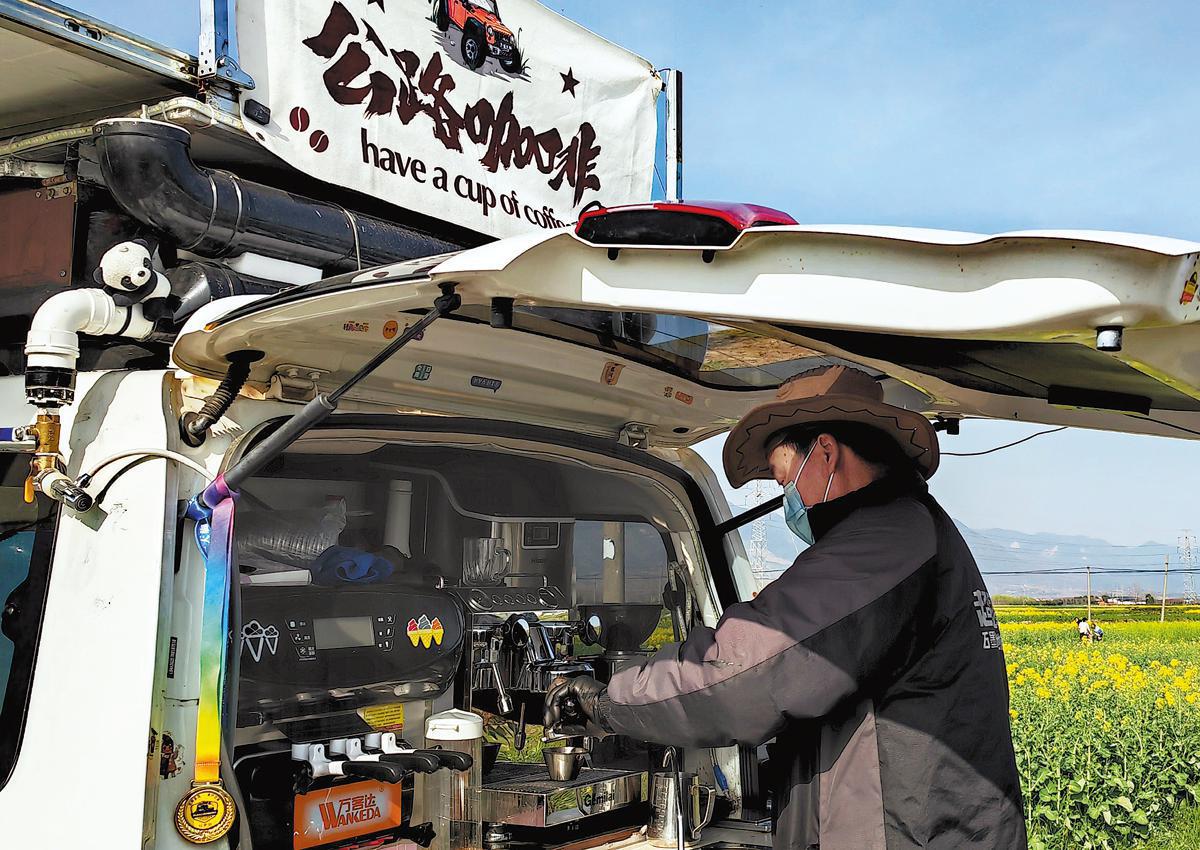
The central authorities, in early April, released a 10-year plan for rural vitalization. The plan targets the nation's agricultural development and food security, as well as providing the country's 700 million rural population with a decent life.
According to the plan, by the end of 2035, basic modernization is to have been achieved, not only in agricultural production but also in rural life. By then, national food security should stand on a more solid footing, the country's global agricultural competitiveness should be greatly enhanced, new technologies should be widely adopted and the urban-rural development gap remarkably narrowed.
The plan also serves as a road map by detailing development priorities and the government's support policies, practical approaches and phased goals.
Given the central authorities' strong governance ability and its impressive record in fulfilling its pledges in the past decades, I have little doubt that the goals will be reached or even surpassed within 10 years. Nevertheless, I would like to call the government's attention to one point — how to encourage young people to take agriculture as their career and live in the comparatively less-developed rural areas.
The plan highlights scientific innovation, seed technology, precision farming and digital agriculture. All these involve big data, artificial intelligence and satellite monitoring — technologies that can only be handled by talents and young farmers who have a good education and special training.
As of now, one can hardly see any young people working in their home villages as farmers. They have gone to towns and cities to find better-paid jobs. Visiting villages in China, one is confronted with mostly elderly people and school-age kids. A typical rural model is that the grandparents take care of their grandchildren whose parents work in cities and towns to support the family. The grandparents may work on their small plots to grow crops and vegetables for their own consumption, or they may just leave the plots abandoned. They can't make much money out of farming on the small plots anyway.
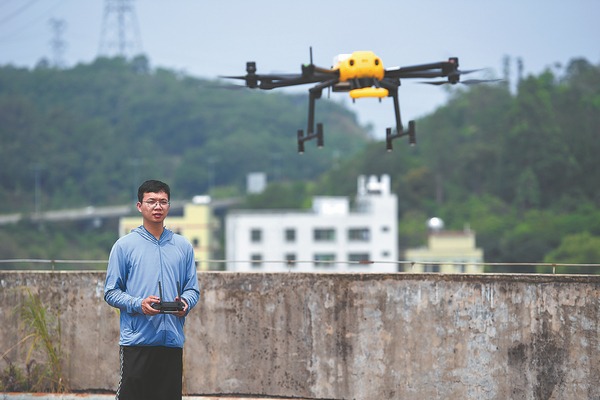
Agricultural modernization cannot be achieved by pinning hopes on the elderly or the kids who now live in the rural areas. Only when young workers are willing to return to the rural areas will there be enough well-educated people to operate the different agricultural machineries and manipulate drones that are becoming more and more popular. Only when these young people are convinced that they can earn more in farming will they decide to quit their city jobs to return to the countryside.
China has more than 30 agriculture universities and about the same number of higher learning institutions that have agriculture colleges. Though thousands of agriculture-majored students are graduating each year, the majority of them choose to find jobs in other fields rather than in agriculture. They have good reasons to do so. First, the pay for an agro-technician is not attractive enough and a graduate can easily earn more even by working as a delivery person. Second, the working and living conditions are hard when working in rural towns and villages. The two deficiencies join hands in pulling agro-technicians down the ladder of social status.
I tried to play safe when I said that a majority of agriculture majors refused to take jobs connected with agriculture. In fact, a young man, who majored in plant protection in university, told me that of 120 students in his major, only six are now engaged in jobs related to their majors with two teaching in universities after obtaining a PhD and the other four working in town shops selling seeds and pesticides. What a waste of talent resources.
According to the 10-year plan, China in the next decade will build world-class agricultural research institutions and promote closer collaboration between research hubs and major agricultural regions. The country has great demand for the innovations that the hundreds of top-notch scientists can produce in the labs, with thousands of agro-technicians applying their research results. Millions of well-educated skillful young people can turn seeds into crops.
Measures have to be taken to make agriculture an attractive industry in terms of both profits and benefits. A mechanism has to be designed to make agriculture-related jobs well-paid ones. Only when agriculture majors are willing to take jobs in agriculture and only when young people are willing to take farming as a career, will rural vitalization fulfill its potential.
The author is former deputy editor-in-chief of China Daily.
kangbing@chinadaily.com.cn