China's proactive steps to curb plastic pollution: A model for global action







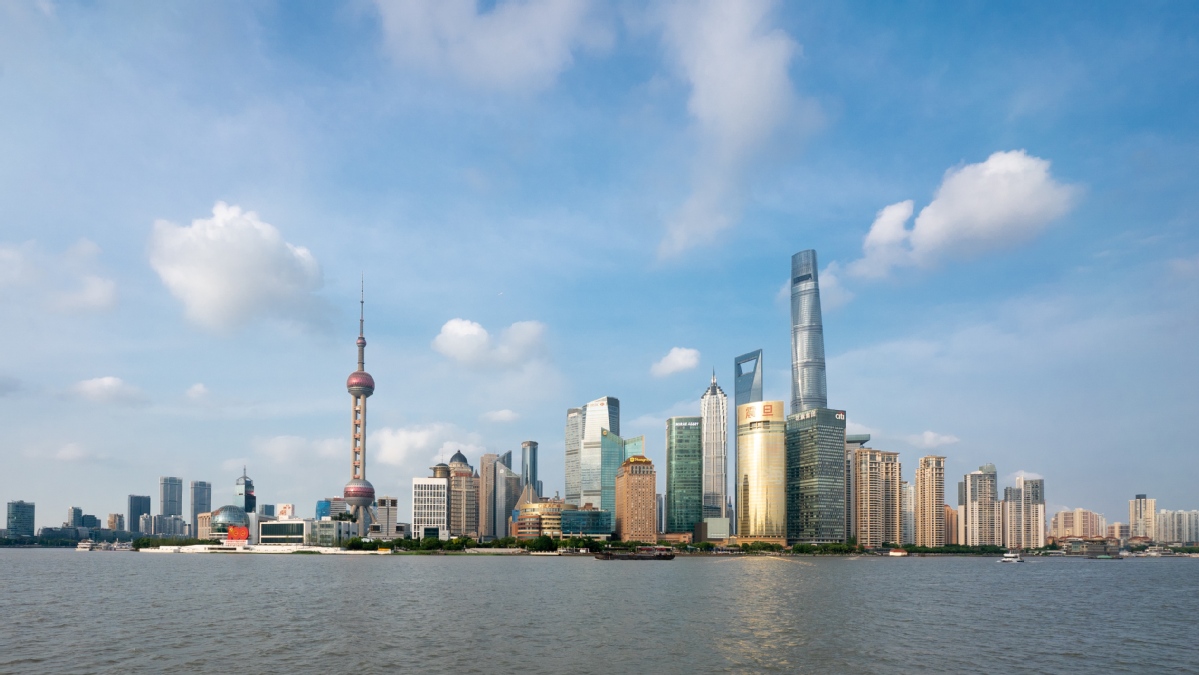
Starting on September 1, Shanghai will implement a stringent new plastic restriction policy. Enterprises including restaurants, food delivery services, and supermarkets are subject to fines of up to 100,000 yuan, in addition to potential damage to their credit ratings, if they use non-compliant disposable tableware. This regulation specifically targets "greenwashing" products, such as paper containers lined with plastic film, foam bowls, and single-use plastic straws, all of which have been prohibited due to their non-biodegradable nature and the challenges they pose in recycling processes. This initiative serves as a fresh testament to China's sustained commitment to curbing plastic pollution.
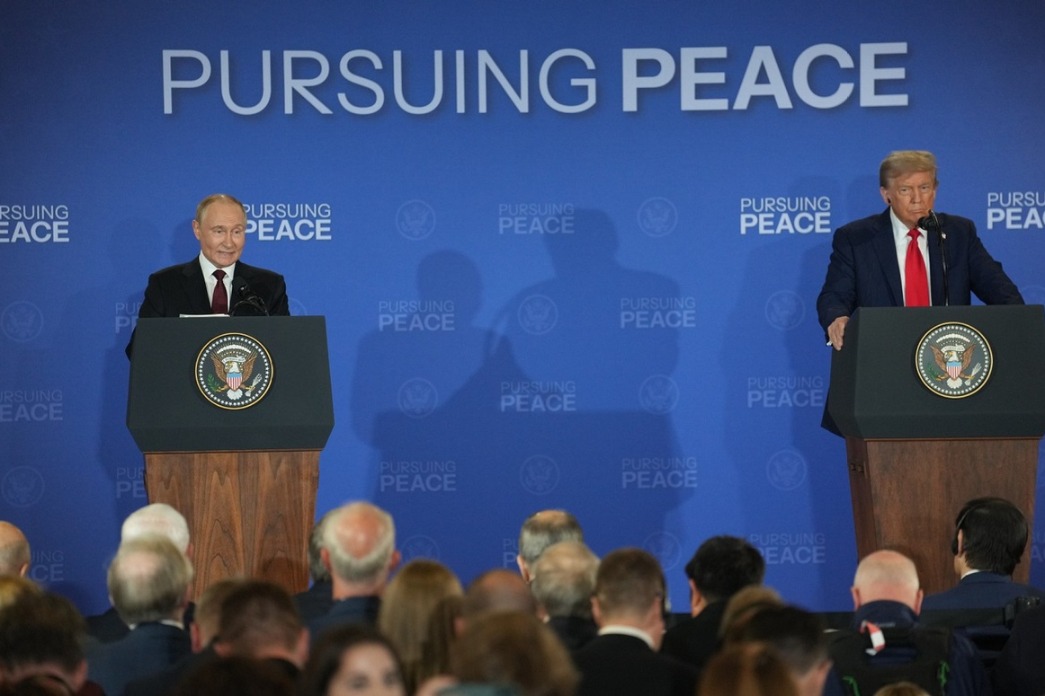
On a global scale, the urgency for plastic control is escalating. Negotiations in Geneva, held from August 5 to 15, aimed at formulating a global treaty on plastic pollution have brought together representatives from 183 countries and over 400 organizations, all engaged in a race to mitigate this pressing crisis. Annually, the global production of new plastic amounts to over 400 million tons. Alarmingly, the majority of this plastic ends up in landfills or pollutes marine environments, with only a small proportion being recycled. The detection of microplastics in human blood further emphasizes the critical nature of this issue.
Against such a backdrop, China has distinguished itself through its concrete and effective measures. It has established a three-pillared system encompassing laws, policies and standards, addressing plastic pollution throughout the entire lifecycle from source reduction to final disposal, with demonstrable results. The 2020 plan outlined a three-stage roadmap: the curtailment of single-use plastics in key areas within that year, a significant reduction in usage by 2022, and the establishment of comprehensive full-chain management by 2025. The 2021 update expanded the scope of these efforts to include e-commerce, courier services, and food delivery sectors, setting specific targets such as minimal secondary packaging for online orders, 10 million reusable delivery packages, an 85 percent recycling rate for agricultural film, and a substantial reduction in plastic waste landfilling in major cities.
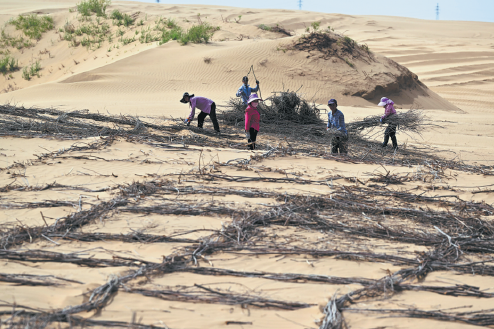
China's efforts have translated into tangible progress across critical sectors. The food delivery industry reduced the use of single-use tableware by 885 million sets in the first half of 2021 through the promotion of degradable alternatives. Large supermarket chains witnessed a more than 65 percent month-on-month decrease in plastic bag consumption following the implementation of bans. Courier companies replaced nondegradable packaging materials with reusable bags, which now have a utilization rate exceeding 90 percent. In the agriculture sector, the national recycling rate of agricultural film has reached 80 percent, with some regions exceeding 85 percent through the promotion of degradable films and enhanced recycling efforts.
Chinese local initiatives have also provided valuable models. Hainan province implemented a comprehensive ban across the entire region, integrating regulations, standards, alternative products and recycling systems. Over 80 certified enterprises now supply biodegradable plastics in the province. Shanghai introduced a system of extended producer responsibility for packaging, resulting in a 20 percent reduction in waste during pilot programs.
Underpinning much of this progress is a robust and expansive recycling infrastructure that sets China apart on the global stage. China now operates the world's largest plastic recycling system. Since 2018, China has imposed a comprehensive ban on the import of waste plastics, achieving 100 percent domestic material recycling and utilization. This strong recycling capacity also makes China the world's largest supplier of recycled plastics, with exports of recycled plastic pellets expected to exceed 5 million tons by 2025, supporting the plastic reduction needs of packaging, automotive, and textile industries in Europe, America, Japan, South Korea and other countries.
Internationally, China has shifted from "governed" to "solution provider", taking the lead in revising international rules as a co-leading country for the plastic waste amendment to the Basel Convention, promoting the upgrading of global management of cross-border transfer of plastic waste. Since 2019, China has incorporated plastic circular economy into its foreign aid training programs, having trained over 1,000 government officials from more than 30 developing countries. In 2025, China joined hands with ASEAN and African countries to establish an alliance, exporting plastic reduction technologies, standards and funds. A case in point is Kenya's "Plastic Waste to Energy" project, which processes 200,000 tons of waste annually and generates electricity sufficient to power 50,000 households.
China's technological influence extends globally. For instance, the "Blue Circle" project in Zhejiang province, which won the UN's "Champions of the Earth Award" in 2023, with its blockchain traceability and market-oriented recycling model, has been promoted worldwide by the United Nations Environment Program. Also, in 2022, the Chinese government and the International Bamboo and Rattan Organization jointly launched the "Bamboo for Plastic" initiative. By 2025, it has driven more than 20 countries worldwide to establish bamboo-based alternative industrial chains, with bamboo product exports exceeding $5 billion.
Through the systematic governance approach of "prohibiting and restricting certain items, promoting alternatives, and enhancing recycling", China has made significant breakthroughs in policy, technology, and industry, offering a valuable "Chinese solution" to global plastic pollution governance. Shanghai's new regulations represent another crucial step in this ongoing process, indicating that China will continue to advance in the fight against plastic pollution, striving for a green future for the planet. With the Geneva negotiations having concluded, China's practical experience and proactive actions could serve as an inspiration for other countries to intensify their efforts in addressing plastic pollution.
Wu Lei is an associate research fellow at the National Institute for South China Sea Studies in Haikou, China. The views don't necessarily represent those of China Daily.
If you have a specific expertise, or would like to share your thought about our stories, then send us your writings at opinion@chinadaily.com.cn, and comment@chinadaily.com.cn.