China cherishes shared future with neighbors







Asia's economic rise began in the 1970s, starting with the "flying geese" model. Soon, China added to the momentum, providing greater driving force. Now China is leading Asia's modernization, and many other countries are catching the tide, taking Asia to the forefront of global economic and technological progress. China now contributes more than 50 percent to Asia's economic growth, over 60 percent to the Asia-Pacific's growth, and about 30 percent to global growth.
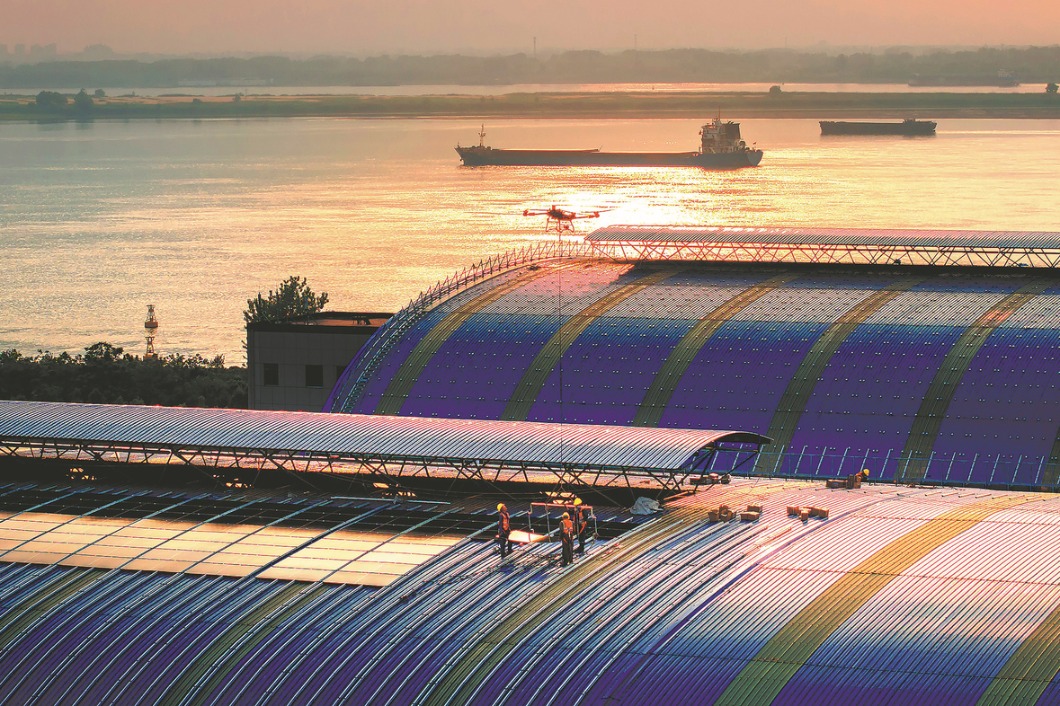
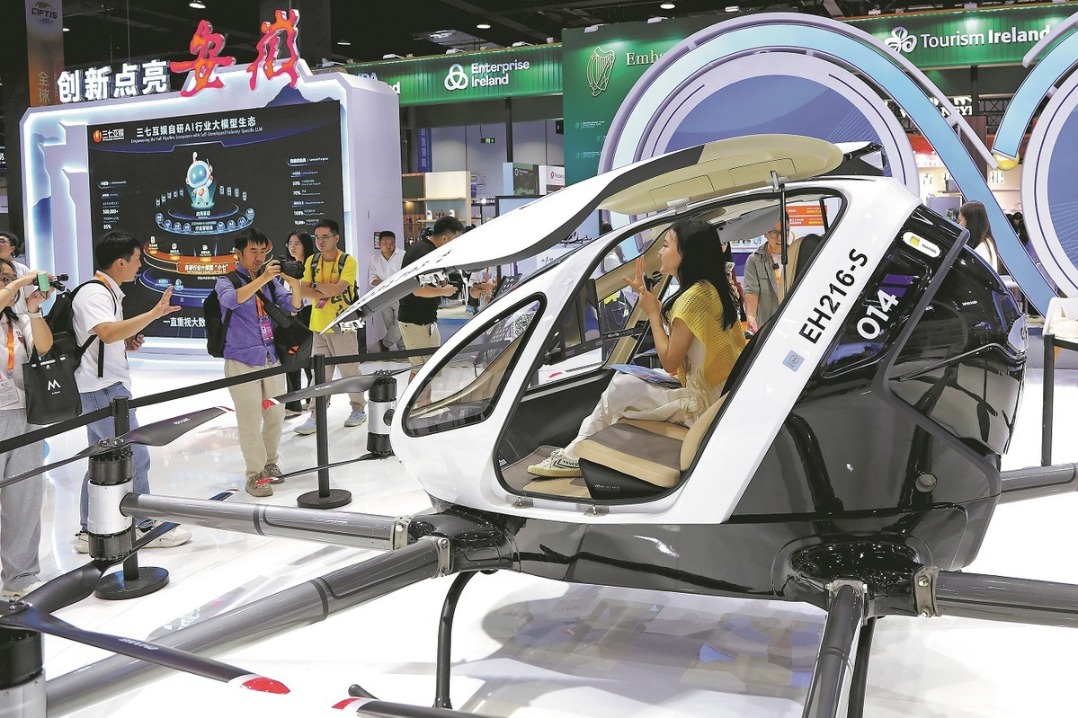
China's rise and its public goods benefit Asia as well as the world, from large-scale imports of resources and products, trade in goods and services, investment, aid, and currency stability tools, to deeper integration of supply chains. Now, the "new trio" products — electric vehicles, new energy batteries and solar photovoltaic panels — and AI technology are reshaping production and life.
As to China's neighborhood diplomacy, maintaining peace and stability in the region and fostering friendly and cooperative relations are essential for China's own security and prosperity. At April's Central Conference on Work Related to Neighboring Countries, the general conclusion was that China's relations with its neighbors are at their best in modern times. There is also awareness that the regional situation is increasingly intertwined with what's happening on the global stage.
Asia has entered a period of long peace and prosperity after the end of the Cold War, helping countries including China to make use of development opportunities created by globalization. Hence, we should make efforts to ensure the positive tide continues. China's four global initiatives are aimed at promoting collaboration among regional countries in order to build an inclusive cooperation framework. In May, China, together with some other countries, established the International Organization for Mediation, which is dedicated to resolving disputes and addressing differences through peaceful means.
On Sept 3, a military parade was held in Beijing to commemorate the 80th anniversary of the victory in the Chinese People's War of Resistance Against Japanese Aggression (1931-45) and the World Anti-Fascist War.
The transparent display of strength demonstrated China's ability to safeguard national security and contribute to world peace. As President Xi Jinping said, only when nations and peoples treat each other as equals and live in harmony can we maintain common security and eliminate the root causes of war.
Looking ahead, China's Asia policy will focus on building strategic mutual trust — China and other Asian countries are partners, not competitors and, hence, can do a lot, including properly managing contradictions and differences, strengthening cooperation in industry and supply chains, addressing risks and challenges, and expanding people-to-people exchanges and connectivity.
As part of high-quality opening-up, China introduced visa-free entry for up to 30 days for ordinary Australian passport holders from Nov 30, 2024, to Dec 31, 2025.
China-Australia economic ties have stood firm and overcome the disruptions caused by political differences and strategic tension As Premier Li Qiang said during his visit to Australia last year that the cooperation opportunities for China–Australia are as broad as the Pacific Ocean.
China is working with other Asian countries to build a community with a shared future, and welcomes Australia to join in the efforts.
When the Chinese people speak about order, they refer to the international order centered on the United Nations. The UN system, though not perfect, remains the only system acceptable by every country. China has always supported the work of the UN, and has contributed more peacekeeping personnel than any other permanent UN Security Council member. China also supports other international mechanisms, such as World Trade Organization.
Since joining the WTO in 2001, China has benefited from trade facilitation.
Facing punitive US tariffs, China has sought to settle disputes through the WTO. During the eurozone debt crisis in 2009, China offered help by purchasing bonds worth $50 billion in addition to fulfilling its responsibility to the IMF Special Drawing Rights.
However, the existing international order needs further reform in order to cope with the new global challenges. Based on the concept of building a community with a shared future for humanity, China has cooperated with other countries to create new public goods, such as the Belt and Road Initiative and Asian Infrastructure Investment Bank. But China has no intention of establishing an alternative system.
In fact, at the regional level, too, China has been supporting the development of an inclusive order, for example, by signing the Declaration on the Conduct of Parties in the South China Sea with the 10 ASEAN member states, and by supporting ASEAN's "central role" in regional security affairs.
On the other hand, the United States regards itself as having a dominating role in Asian affairs and believes it can continue to do so. But the way the US sees the world does not necessarily reflect the reality of Asia. The US tends to view China through a tainted lens, failing to recognize the importance of mutual respect and equality. Driven by a mindset of strategic competition, the US seeks to contain China's development. However, China remains committed to maintaining a stable and healthy relationship with the US and expects the US to move in the same direction.
At the global level, China supports an "equal and orderly multipolar world".
Asian countries may have diverse political systems, cultural tradition and religious beliefs, but they share a common aspiration for modernization and development. Such diversity needs to be respected. Many Asian countries were colonized by Western powers, but they have not lost their sense of dignity. Quite a few of them still have unresolved border issues and yet they share a common understanding that disputes should be contained, and development promoted.
China and Australia should promote dialogue and exchanges, and deepen their understanding of each other's realities. We may talk about our differences openly, but not assume we know better than the other about how to handle their own affairs. Some Australian media have misinterpreted China's military parade as a show of strength. I wonder if they remember that when Darwin was bombed in 1942, China had already been under a brutal Japanese occupation for more than a decade, and the Australians and Chinese were fighting for the same goal. The strong signal sent by China's military parade is a call for peace, with a firm resolve to ensure the historical tragedies never happen again. All countries should pursue peace, and China and Australia can expand dialogue and cooperation on the basis of this shared understanding.
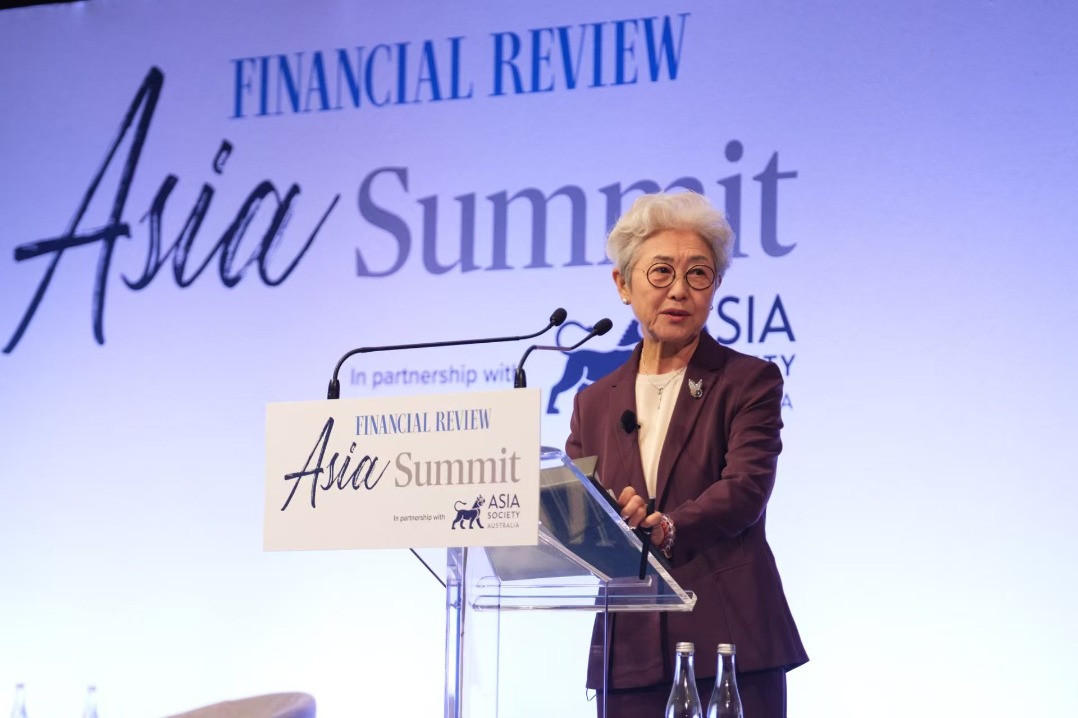
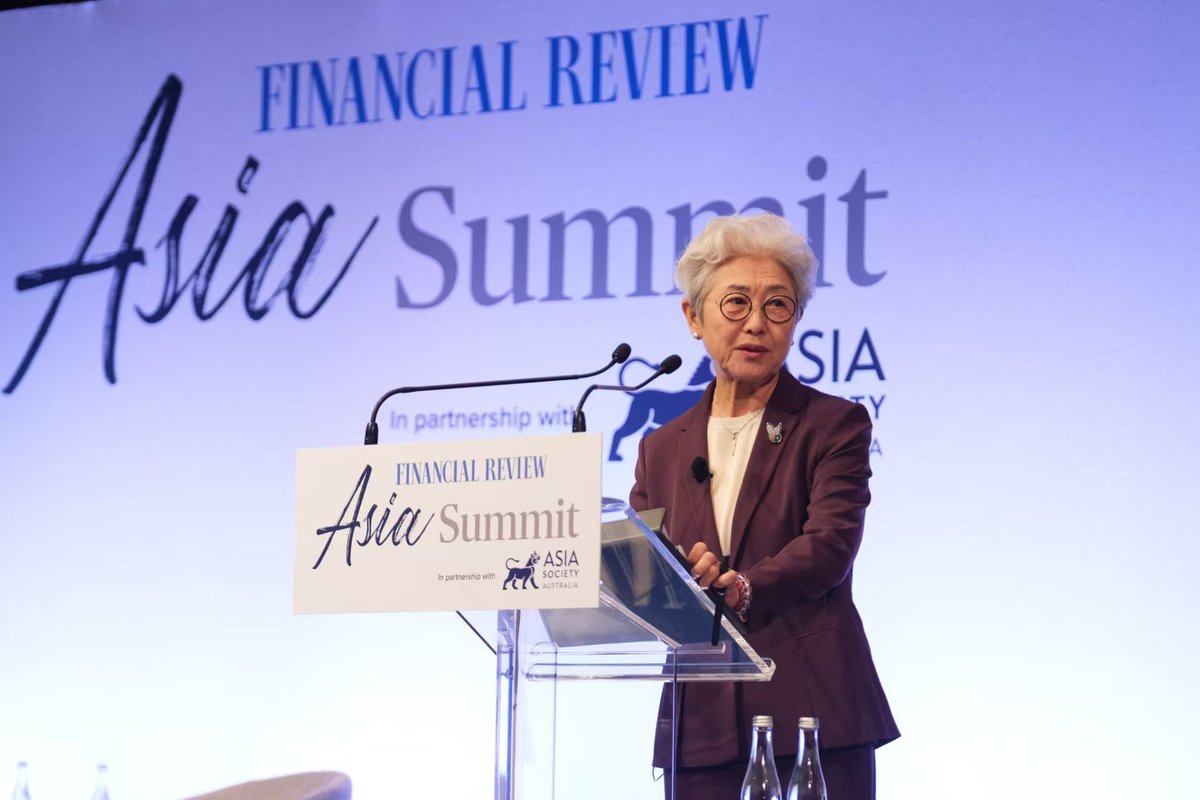
Fu Ying is former Chinese vice-foreign minister and former ambassador to Australia. The article is an excerpt from her speech at the second Financial Review Asia Summit held in Sydney, Australia, on Sept 10.
The views don't necessarily represent those of China Daily.
If you have a specific expertise, or would like to share your thought about our stories, then send us your writings at opinion@chinadaily.com.cn, and comment@chinadaily.com.cn.