China's sustained economic growth has internal logic







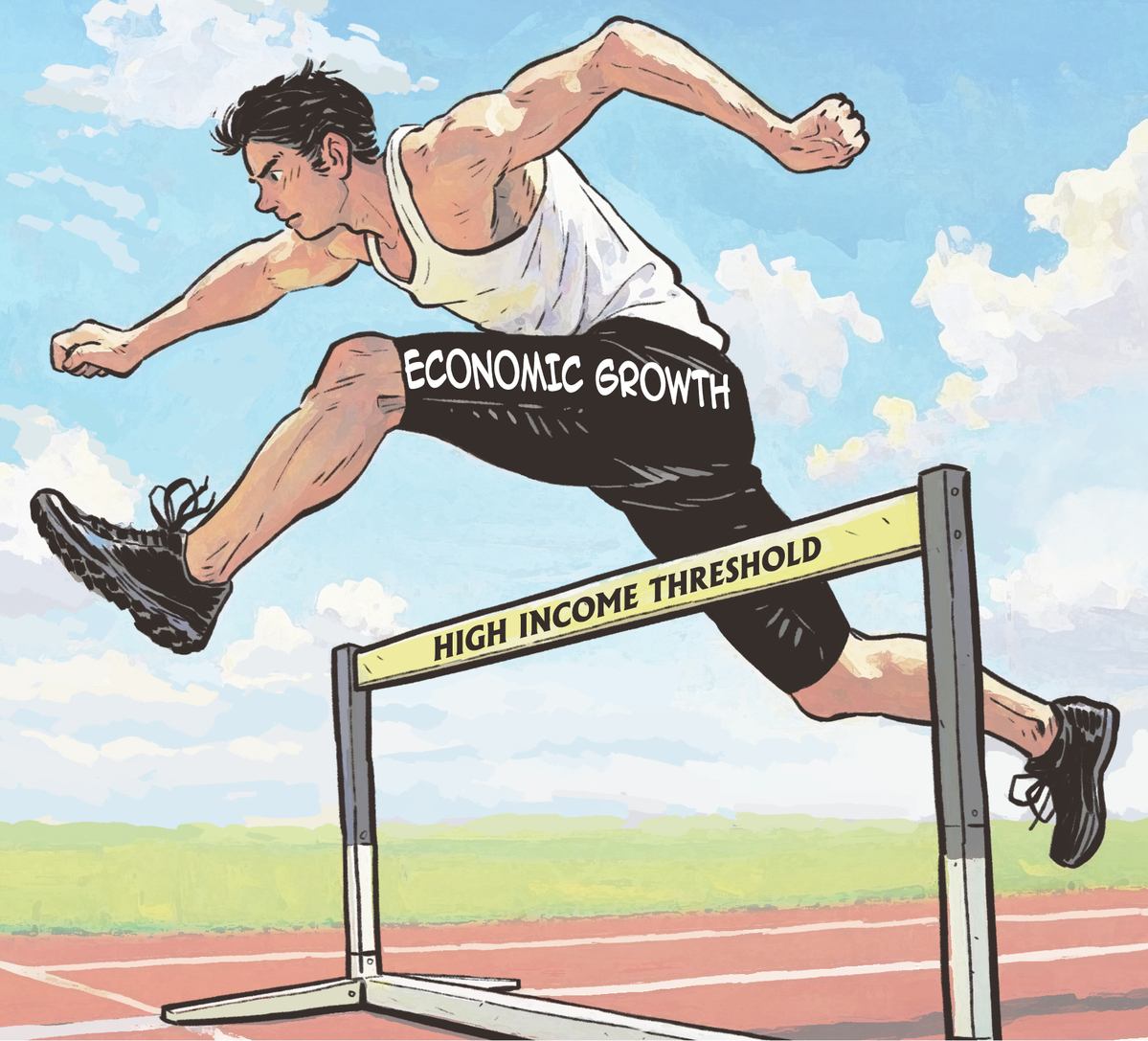
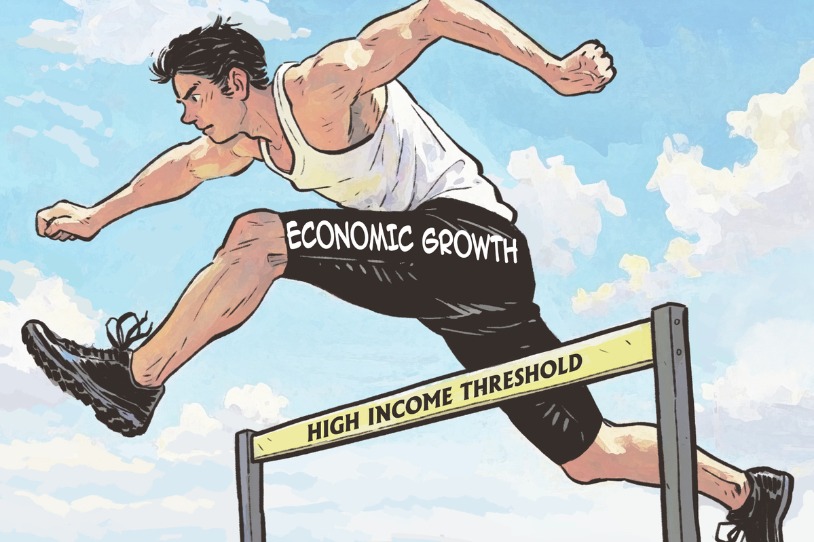
Since the founding of the People's Republic of China, and especially since the launch of reform and opening-up, the country's economic achievements have drawn global attention. China's GDP skyrocketed from 367.9 billion yuan ($51.63 billion) in 1978 to 134.9 trillion yuan in 2024, at an average annual growth rate of 8.8 percent, far outpacing the global average of approximately 3 percent over the same period. The sustained and stable development of such a large economy is supported by an internal logic.
The leadership of the Communist Party of China ensures economic and social development. In steering the economy, the CPC emphasizes top-level design, comprehensive planning, coordination, implementation and oversight. Its continued reign over a long period of time has helped avoid short-sighted policies and/or frequent policy shifts often seen in Western multi-party systems, offering a crucial anchor of stability for China's long-term economic development.
The CPC has no vested interests of its own. It adeptly integrates the interests of various stakeholders, ensuring that short-term interests align with long-term interests, and partial and local interests align with overall interests. The Party always prioritizes the safety and security of the people, which has established a strong foundation for long-term stability in Chinese society.
The CPC consistently promotes theoretical innovation to guide new practices. Xi Jinping's economic thought encompasses concepts such as the new development philosophy, a new development pattern, and new quality productive forces. These ideas are in line with Mao Zedong Thought, Deng Xiaoping Theory, the Theory of Three Represents and the Scientific Outlook on Development, while also evolving with the times. The resulting development philosophies, paths, and systems have transcended both traditional socialist and Western models.
The integration of strategic planning and effective macro-regulation is a distinctive strength. Guiding economic and social development through medium-and long-term strategic planning is a crucial method for efficiently allocating resources across cycles. By formulating medium- and long-term development strategies, five-year plans, and annual plans, China sets appropriate targets and tasks for the long, medium, and short terms, ensuring their coherence and orderly implementation. The country places significant emphasis on enhancing the macro-regulation system, strengthening counter-cyclical adjustments, properly guiding market expectations, and boosting public confidence. This approach ensures robust policy implementation while allowing flexibility to smooth out potential economic fluctuations and maintain stable economy operation.
China has always adhered to the people-centered philosophy, as people are the most dynamic factor of productivity. On the one hand, continuous efforts have been made to ensure and improve public well-being. By lifting 100 million people out of poverty since 2012 and establishing the world's largest social security system, the country has enabled its people to share more fully and fairly the benefits of reform and development. On the other hand, China's commitment to shared development has created a synergy between the nation's progress and goals of the people, garnering their trust and support and enhancing the credibility of both the Party and the government.
The socialist market economy aligns with the needs of productive forces and injects vitality into development. Combining the socialist system with the market economy is a great innovation by the Party. Starting from the third plenary session of the 11th CPC Central Committee in December 1978, addressing the relationship between the government and the market has been central to the reform of the economic system. The goal has been to effectively integrate an efficient market with a proactive government, thereby harnessing the strengths of the socialist system to liberate and develop productive forces.
In recent years, China has accelerated the development of production relations that better align with new quality productive forces. This optimizes resource allocation efficiency and economic performance, advances the building of a high-level socialist market economy, and provides fresh momentum for high-quality economic development.
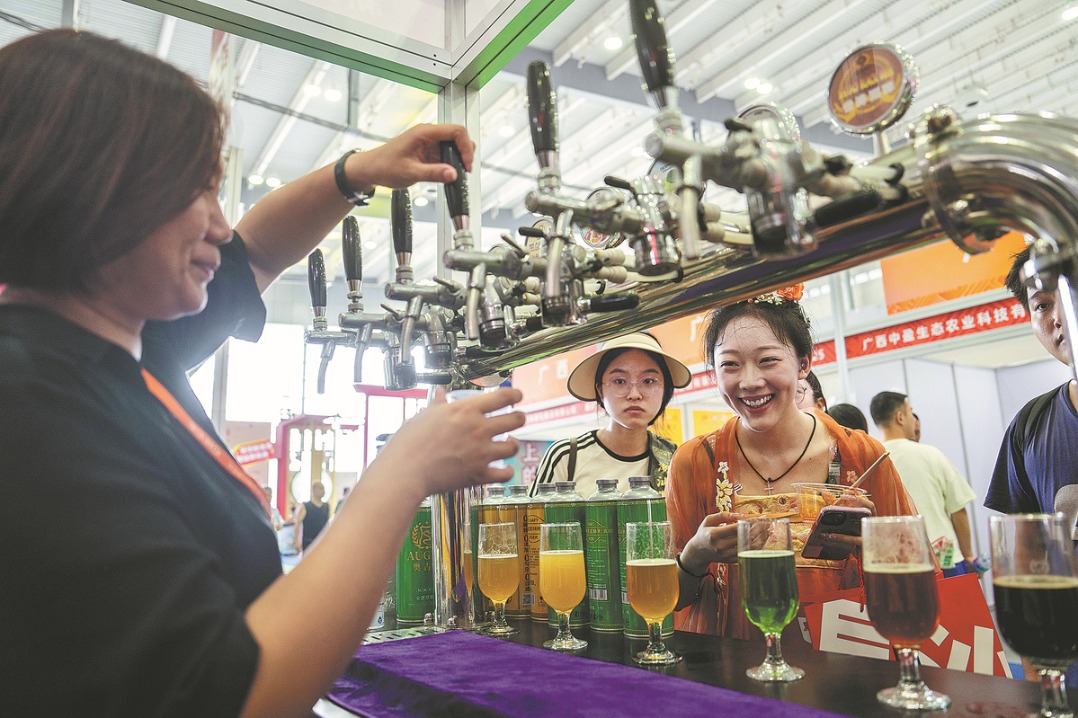
China's vast market and innovation-driven development have been mutually reinforcing and creating a virtuous cycle. This synergy serves as a powerful engine for sustained and stable economic growth. With a population exceeding 1.4 billion, including more than 400 million middle-income individuals, China boasts a vast domestic market with multiple tiers and enormous potential.
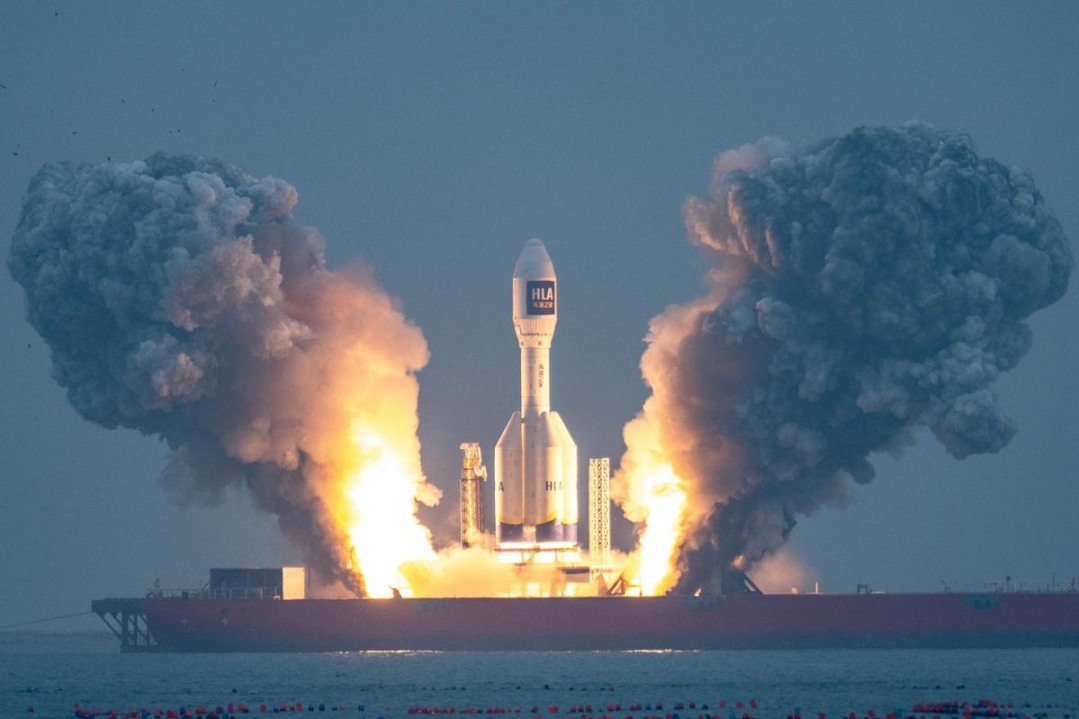
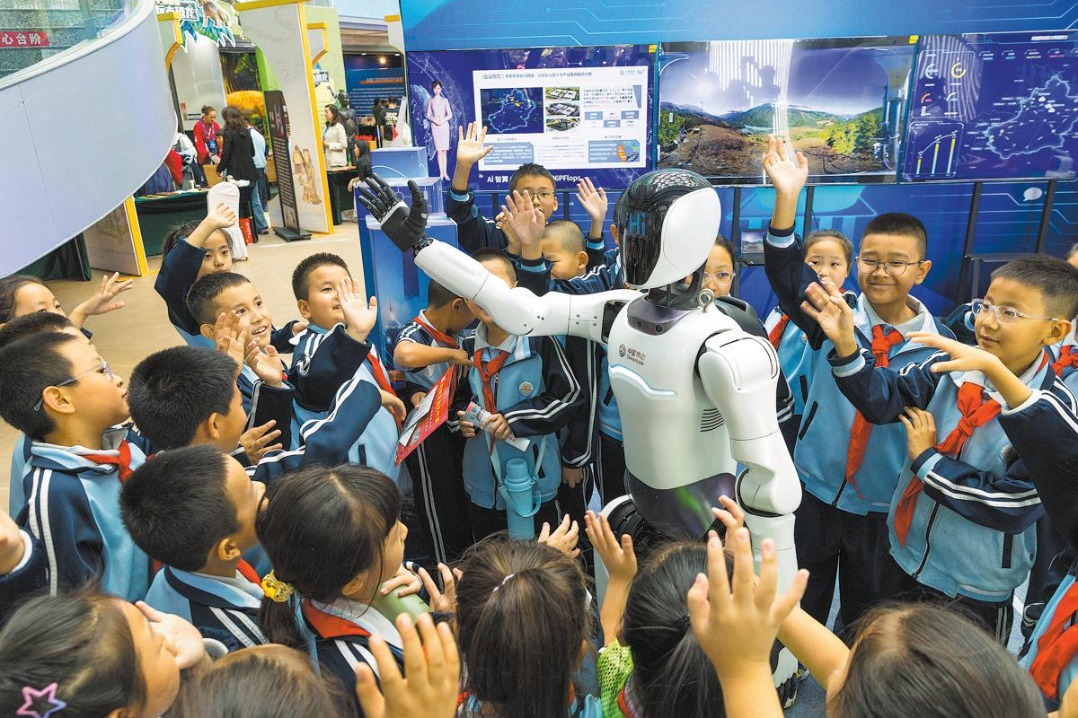
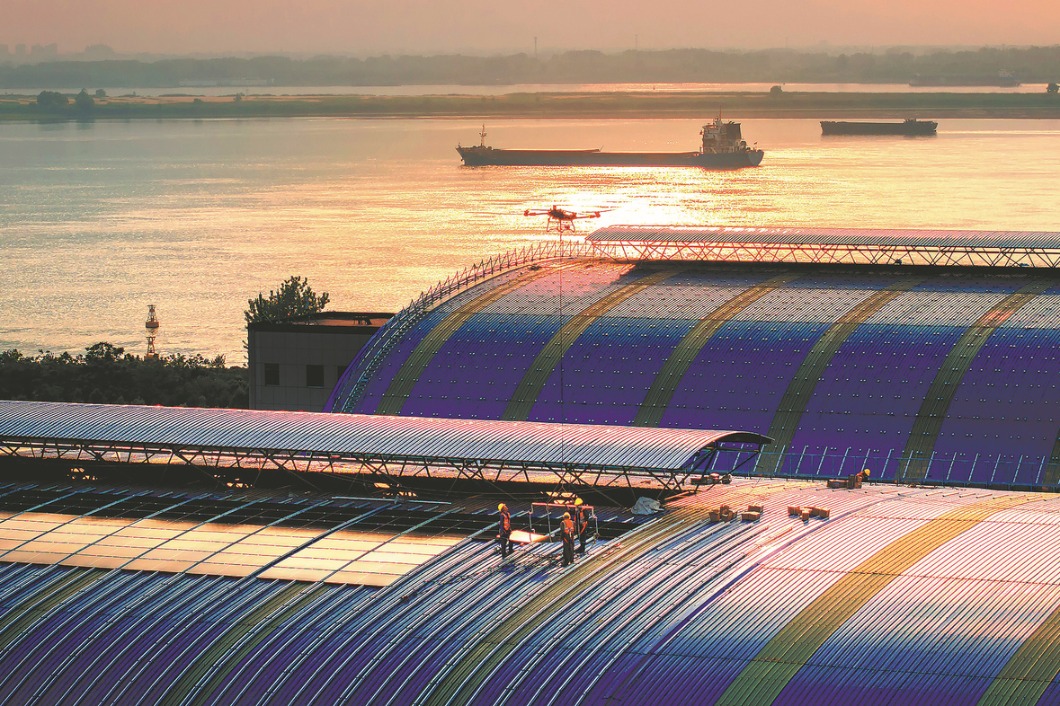
Besides, China benefits from a comprehensive industrial system and high-quality human resources. It has established a leading position in traditional sectors and has achieved breakthrough in emerging industries such as artificial intelligence. This positive interaction between supply and demand effectively lowers innovation and startup costs, accelerates technological iteration, expands and upgrades demand, meets people's aspirations for a better life, and unleashes the unique potential of Chinese modernization of a huge population.
In conclusion, China's long-term stable economic development is rooted in the strong leadership of the CPC and the powerful synergy generated by the coordinated operation and systematic integration of multiple factors. This approach follows a strong logic and, moreover, represents a significant trend. This is what is behind the country's confidence in continuing to achieve new milestones in economic growth and long-term social stability.
The article is an abridged translation of an article appearing in People's Daily.
The views don't necessarily represent those of China Daily.
If you have a specific expertise, or would like to share your thought about our stories, then send us your writings at opinion@chinadaily.com.cn, and comment@chinadaily.com.cn.