US tariffs a threat to African economies







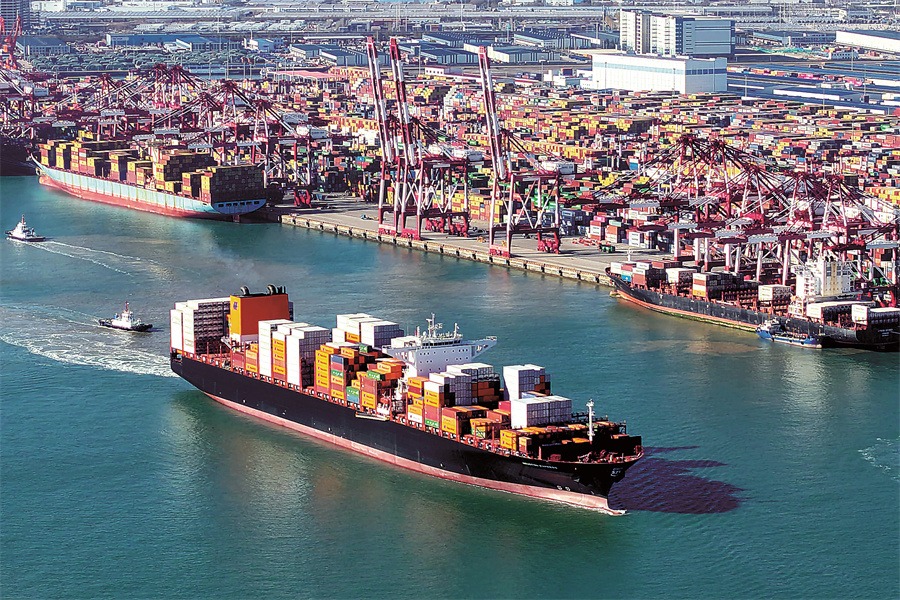
As the African Growth and Opportunity Act expired at the end of September without renewal from Washington, concern is mounting across Africa that the end of the 25-year-old duty-free trade arrangement will deepen the pain already inflicted by the United States' new tariff regime.
Once hailed as the cornerstone of US-Africa economic engagement, AGOA had allowed more than 30 African nations to export thousands of products to the US market duty-free, supporting millions of jobs and encouraging industrial growth across the continent. Its expiry — coupled with Washington's sweeping tariffs on imports from its trading partners — has left many African economies exposed to a harsher trade environment, threatening to reverse years of progress in diversification and manufacturing.
Goods from many of Africa's 54 countries face a baseline tariff of 10 percent, while those from 18 African countries have been subjected to 15 percent tariffs. For goods from South Africa, Algeria and Libya, punitive tariffs of 30 percent apply. This means the economic impacts of the US tariffs will, in many cases, be starkly different on different African countries.
Behind the differential tariff structure lie multiple US goals, which illustrate the way the US has devised its tariff policy toward different African countries. The tariffs serve not just the US' economic interests but also its broader strategic objectives.
The first major goal behind the differential tariff structure is to protect domestic manufacturing in the US by targeting Africa's labor-intensive industries, particularly textiles. African countries like Lesotho, which rely heavily on the garment sector, have been hit hard by the US tariffs. Under the US' African Growth and Opportunity Act, Lesotho exported textiles duty-free to the US, a key lifeline for the country's economy. However, the imposition of 15 percent tariffs on textiles and other goods has drastically undermined Lesotho's ability to compete in the US market.
Since April, factories in Lesotho have been forced to lay off employees, increasing the unemployment rate, which now stands at 50 percent. The situation has become so dire that the Lesotho government had to declare a two-year state of disaster to manage the economic crisis.
This tariff disparity also threatens the integrity of regional value chains across Africa. Countries such as Kenya, Ethiopia and Lesotho had been making efforts to integrate their textile sectors by developing different segments of the value chain. But the new US tariff policy now penalizes finished products, although the US has kept tariffs on raw materials like fabrics and yarn low. This has forced African nations to abandon their industrialization plans, and continue to supply raw materials, reinforcing the cycle of economic dependency that has long hindered the continent's development.
The second objective of the tariffs is to control Africa's strategic resources, particularly minerals and oil. Key African exports like oil and minerals have been exempted or subjected to minimal tariffs. The US has deep interest in securing access to African resources such as oil, gold, platinum and cobalt. However, this "strategic exemption "comes with its own set of risks. By continuing to rely heavily on the export of precious natural resources, African countries risk reinforcing a resource-dependent economic structure, limiting their plans to diversify into other sectors, particularly manufacturing.
The third objective of the tariffs is to exert geopolitical pressure. The US is using the tariffs as a diplomatic tool, punishing countries that do not align with American interests and rewarding those that cooperate with it. South Africa, for example, has been targeted for taking positions contrary to US foreign policy, such as condemning Israel's actions in Gaza and supporting Palestinian statehood. Despite being a key supplier of platinum to the US, South Africa faces the highest tariff on its goods — 30 percent, up from virtually zero under the AGOA. The US' punitive tariffs disproportionately affect South Africa's industries such as auto-manufacturing, which is a major part of its economy.
The differential tariff strategy underscores a broader geopolitical shift in US-Africa relations. Tariffs are no longer just an economic policy tool but also a means to punish "disobedient countries" and reward compliant ones. The US' tariffs have triggered a new level of volatility in Africa-US trade relations, leaving African countries increasingly vulnerable to the whims of US foreign policy.
In the short term, the tariffs will undermine Africa's economic growth. In fact, the International Monetary Fund has already revised its 2025 growth forecast for sub-Saharan Africa, lowering it from 4.2 percent to 4.0 percent, partly due to the uncertainty created by trade disruptions.
While the immediate effects of the tariffs are dire, they also offer Africa a chance to build a more diversified and resilient economic future, one that does not rely solely on trade with the US. By fostering stronger trade ties with other global players, African countries can create a more balanced and sustainable economic development model, one that facilitates genuine industrialization and promotes resource diversification. But the question remains: Will Africa rise to the challenge, or will the legacy of colonial exploitation continue to shape its economic destiny?
The author is the vice-dean of the Institute of African Studies at Hunan University.
The views don't necessarily represent those of China Daily.
If you have a specific expertise, or would like to share your thought about our stories, then send us your writings at opinion@chinadaily.com.cn, and comment@chinadaily.com.cn.