Intl forum explores the integration of AI in basic education







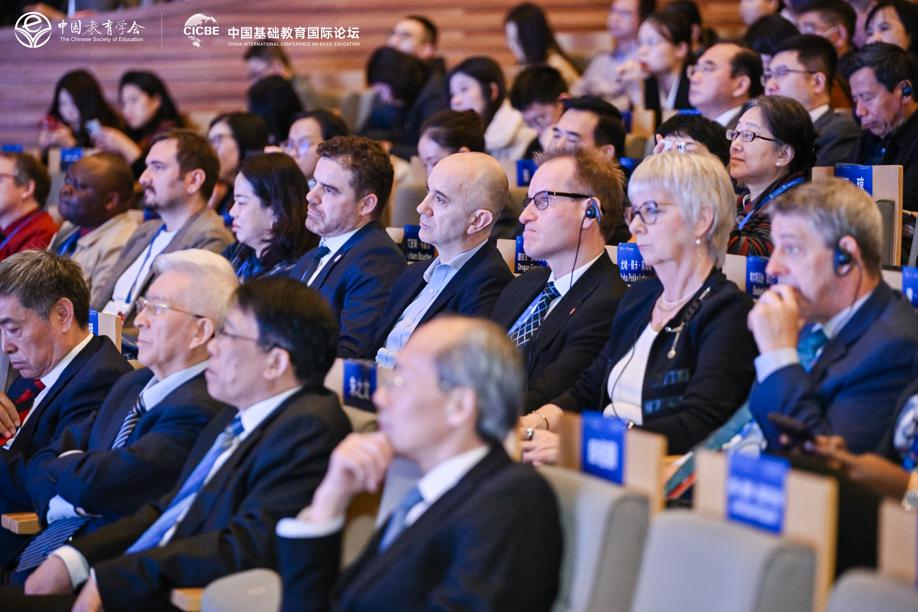
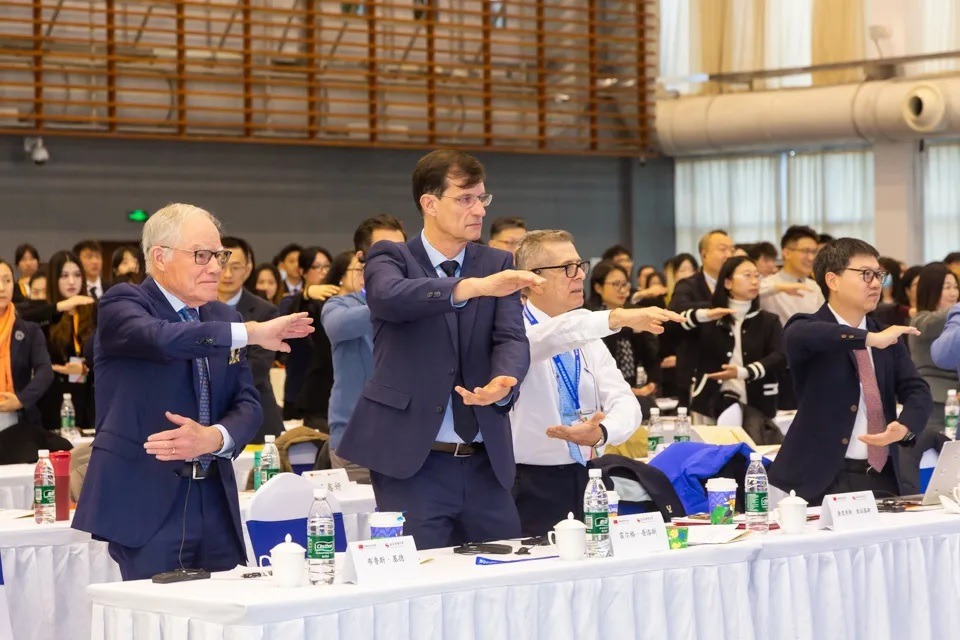
The China International Conference on Basic Education (CICBE) 2025 commenced in Shanghai on Saturday, bringing together nearly 400 participants from around the globe to explore the integration of artificial intelligence in education.
Co-hosted by the Chinese Society of Education, Beijing Foreign Studies University, Shanghai Normal University, and the municipal government of Shanghai's Jiading district, the two-day event featured the release of the "Initiative on Leveraging Artificial Intelligence for Educational Innovation", which calls for global action in six areas: proactive tech adoption, equitable access, AI-enhanced governance, joint efforts to fulfill educational missions, ethical standards and open cooperation.
In a video address, Ren Youqun, vice-minister of education of China, reaffirmed China's commitment to prioritizing education. He outlined three guiding principles for AI-driven educational transformation: ensuring inclusive and equitable access under the concept of "Digital for Good" to create a learning society for all; fostering innovation to cultivate the innovative spirit of the new generation; and promoting openness and collaboration in global educational governance.
Zhu Zhiwen, president of the Chinese Society of Education, remarked that "AI, as a forefront of technological revolution, is profoundly reshaping human production, lifestyle and education." Wu Xinbao, vice-chairman of the Shanghai Municipal Committee of the Chinese People's Political Consultative Conference, emphasized that hosting the event would "encourage and impel Shanghai to deepen educational reform and international collaboration."
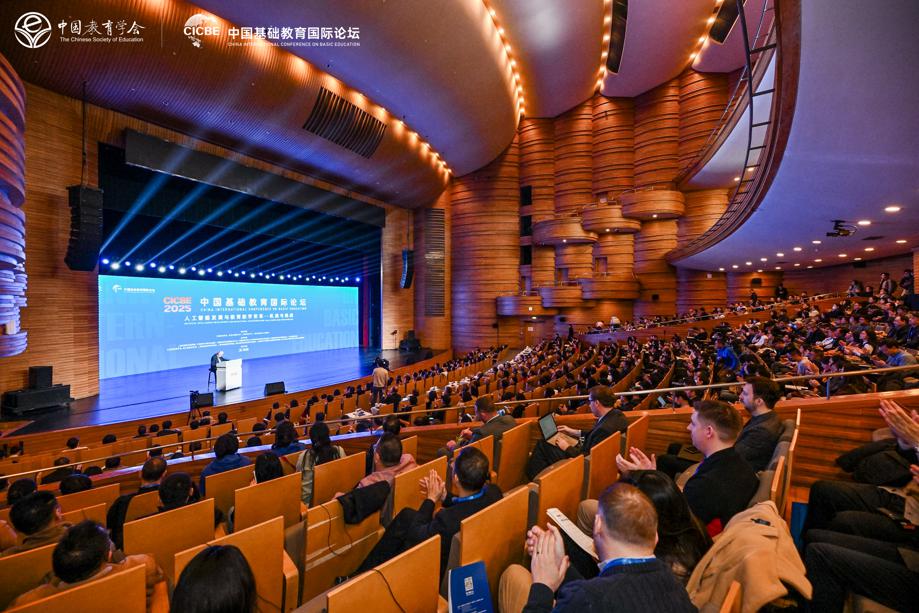
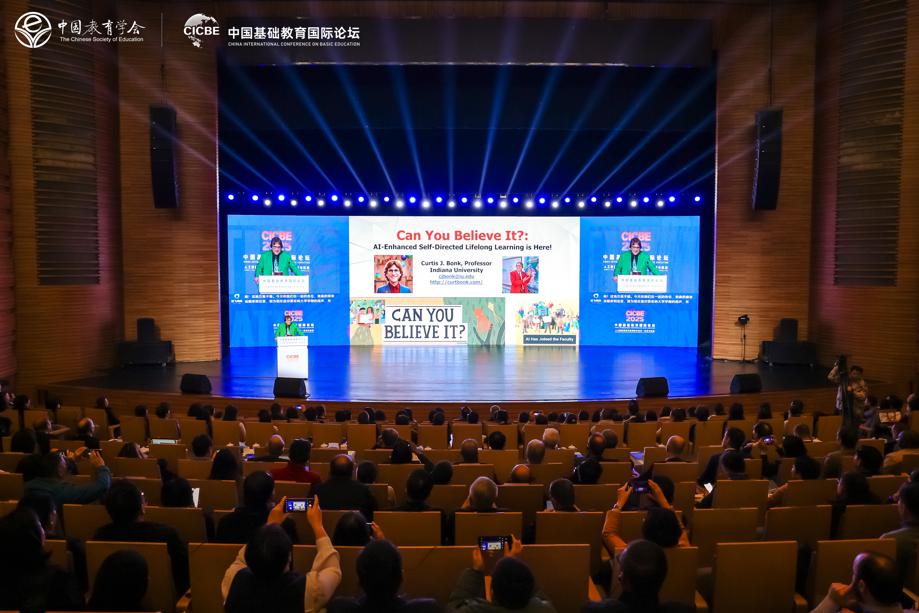
The conference featured keynote speeches from seven renowned scholars and practitioners. John Edward Hopcroft, 1986 Turing Award laureate and member of the Chinese Academy of Sciences, noted that "AI can serve as a powerful assistant to teachers by freeing time for students to pursue their interests, but cannot replace the essential human connection at the heart of education." Curtis J Bonk, a professor at Indiana University, showcased AI-supported self-directed lifelong learning tools, while Daniel Burgos proposed an ethical framework for AI in education.
Five parallel sub-conferences delved into themes such as AI for educational equity, teaching transformation and teacher empowerment, with nearly 70 experts from 13 countries participating. The conference concluded on Sunday with field visits to local schools and innovation hubs in Jiading, providing participants with firsthand insights into the integration of technology in education.






- Intl forum explores the integration of AI in basic education
- Beijing office backs Hong Kong court in Jimmy Lai conviction
- Xi's article on expanding domestic demand to be published
- Beijing Institute of Technology adds journals to SCI Expanded
- Jiangsu county builds partnerships in Beijing to scale up innovations
- Central authorities voice firm support for verdict on Jimmy Lai