Profiles
Ma Weidu and his timeless collection
By Qin Zhongwei (China Daily)
Updated: 2010-11-21 09:18
 |
Large Medium Small |
 |
|
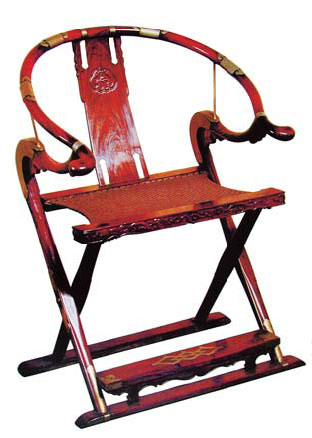
A dragon motif folding chair, a symbol of power among the ruling classes of China. [Photo by Zou Hong / China Daily] |
Ma is not a trained antique collector, but his collecting experience in the 30 years has made him develop an expert's eye. In 2008, Ma appeared on national television CCTV and gave a series of lectures on collecting Chinese art and antiques. Ratings soared and Ma is now one of the most publicized figures in the field, which sometimes draw both envy and criticism.
He has authored relevant publications regarded as must-reads for amateur collectors and beginners.
Perhaps what appeals most to the public is that Ma draws from painful experiences as well as his practiced eye. As a self-taught collector, he did indeed obtain some really cheap bargains, but he has also been duped into buying fake pieces. In the process, he had to do vast amounts of homework, and sought the advise of experts whenever he could. It is this knowledge garnered from decades of relentless searching that he is passing to his television audience and his readers.
"It would be too reckless by saying I was lucky when I started collecting at a time when the prices were depressed. When I fell in love with Chinese antiques, it was during a time when possessing antiques may even bring trouble," Ma says, referring to an era when Red Guards marching into homes were destroying anything that looked old or decadent.
"I collected because it was my interest. Most people think I am a rich man living a life of luxury. But up till the time when I was 48, I was living in a tiny 53-square-meter apartment with my wife. The living room was just big enough for a dining table. I don't really have a desire for material things."
Ma Weidu decided to put his collections on display in the country's first private museum in 1997.
The first Guanfu Museum was housed in a small space in Liulichang, Beijing's famous antique street. It has moved twice since before it finally settled at its current address, a location chosen because of its generous space and cheap rental.
Shortage of funds was a perpetual worry in the upkeep of the museum from day one. There is no financial support from the government and individual sponsorships were limited.
"When people talk about charity, to their minds, it usually means giving to the poor and needy. In the traditional Chinese way of interpreting philanthropy, donating to museums is not considered charity," Ma says.
And so it is that on Guanfu Museum's front door, a plaque announces: "Every audience who pays to visit is our patron".
The turning point for Guanfu came in 2008, through the power of television. This was the year Ma became an overnight sensation on screen, and his popularity helped power the publicity drive of the museum.
He is the first to admit that television changed his museum's fate. But, he also knows any fame is fleeting and star power is seldom permanent. Six years ago, Ma established the museum council, inviting successful entrepreneurs and experienced experts to join the board to plan for the future. In June this year, he established the Guanfu Cultural Foundation, the first of its kind among museums in China.
Uncertainties lie ahead for Guanfu. For example, the current site is marked for demolition and another move is in the books. For Ma, it is during these times when a museum council will play its part.
"It will no longer be a single person's long march, but there will be more committed friends giving a helping hand," he wrote in his blog after the ceremony announcing the foundation's establishment.
The current museum is only a blueprint, as far as Ma is concerned. He envisions a space three or four times larger, with room for experiential exhibits.
"For example, visitors may be asked to take a shower and change into clothes like those worn during the Song dynasty. Then they walk in and experience what it was like living during that time, among the antiques from that period - without electricity and at a slower pace."
This museum has been a repository for Ma's dreams. After the first museum opened in 1997, Ma also started two Guanfu museums in Hangzhou and Xiamen. A third, in Harbin, Heilongjiang province, will be open soon in collaboration with the local government.
Some has compared what Ma is doing to the "Guggenheim Model", and others expect his museum to reach world-class standards like Japan's MIHO Museum, but Ma's answer to all that is simple.
"I have no choice. To sell them off and earn a lot of money? But I don't know what to do with the money, and we all know wealth brings trouble.
"I don't want to leave them to my son either, as I don't think his life will be happier because of that," he says.
Now that he has donated everything he owns to the museum, he can begin enjoying his treasures unencumbered.
"The ultimate goal is to collect culture not the works themselves. I have enjoyed the collecting. I just hope that one day, when I enter the museum with a walking stick or in my wheelchair, no one pays any attention to me, or recognizes me. And when I hear some visitor say, 'Hey, these guys did a good job'. If that happens, my dreams will be fulfilled."
 主站蜘蛛池模板:
灵寿县|
清流县|
凤阳县|
扎赉特旗|
云南省|
茶陵县|
上思县|
林口县|
宜兰县|
合阳县|
北碚区|
松阳县|
永仁县|
永康市|
子长县|
西盟|
昌黎县|
华阴市|
札达县|
宜川县|
太康县|
阜阳市|
临潭县|
红安县|
庆元县|
青岛市|
青海省|
正宁县|
繁昌县|
井冈山市|
贵阳市|
平顺县|
景谷|
拜城县|
景德镇市|
呼和浩特市|
甘洛县|
封开县|
大丰市|
云龙县|
岢岚县|
普兰县|
琼中|
宿州市|
洱源县|
眉山市|
简阳市|
宁南县|
黄冈市|
金川县|
怀远县|
西乌珠穆沁旗|
咸宁市|
舟山市|
崇明县|
汉源县|
女性|
枞阳县|
平果县|
自贡市|
永德县|
上高县|
宜章县|
宁陵县|
梓潼县|
延安市|
黄冈市|
莱州市|
海淀区|
蒲江县|
广州市|
嘉义市|
拉孜县|
山阴县|
陇川县|
饶阳县|
云霄县|
新泰市|
昂仁县|
沈丘县|
如东县|
双鸭山市|
主站蜘蛛池模板:
灵寿县|
清流县|
凤阳县|
扎赉特旗|
云南省|
茶陵县|
上思县|
林口县|
宜兰县|
合阳县|
北碚区|
松阳县|
永仁县|
永康市|
子长县|
西盟|
昌黎县|
华阴市|
札达县|
宜川县|
太康县|
阜阳市|
临潭县|
红安县|
庆元县|
青岛市|
青海省|
正宁县|
繁昌县|
井冈山市|
贵阳市|
平顺县|
景谷|
拜城县|
景德镇市|
呼和浩特市|
甘洛县|
封开县|
大丰市|
云龙县|
岢岚县|
普兰县|
琼中|
宿州市|
洱源县|
眉山市|
简阳市|
宁南县|
黄冈市|
金川县|
怀远县|
西乌珠穆沁旗|
咸宁市|
舟山市|
崇明县|
汉源县|
女性|
枞阳县|
平果县|
自贡市|
永德县|
上高县|
宜章县|
宁陵县|
梓潼县|
延安市|
黄冈市|
莱州市|
海淀区|
蒲江县|
广州市|
嘉义市|
拉孜县|
山阴县|
陇川县|
饶阳县|
云霄县|
新泰市|
昂仁县|
沈丘县|
如东县|
双鸭山市|