Chinese Alcohol, Chinese Spirits
What is the history of Chinese alcohol?
In China, alcohol is also called the "Water of History" because stories of liquor can traced back to almost every period in Chinese history. It is believed that China has about 4,000 years of history. A legend said that Yi Di, the wife of the first dynasty's King Yu (about 2100 BC) invented the method to make alcohol.
|
 |
In ancient China, since alcohol was regarded as a sacred liquid only when people made sacrificial offerings to Heaven and the Earth or ancestors was it used. After the Zhou dynasty, alcohol was deemed as one of the Nine Rites, and every dynasty put great emphasis on alcohol administration to set up special ministries to manage alcohol production and banqueting. Later, along with the development of zymotechnics and brewery, alcohol became an ordinary drink. Thus, many customs concerning alcohol formed and evolved which had and have various relationships with Chinese daily life.
Liquor and its brewing technology were once introduced from neighboring regions during the Han, Tang and Yuan Dynasties. During the Tang dynasty, liquor was popular and was highly praised by many famous poets. It was served as a designated offering for the Royal Ancestral Temple during the Yuan Dynasty.
In the beginning, millet was the main grain to make alcohol, the so-called “yellow wine.” Then rice became more popular. It was not until the 19th century that distilled drinks became more popular. After the fermentation process, Chinese alcohol has a balmy fragrance and is sweet-tasting, with no sharpness. Traditionally, Chinese distilled liquors are consumed together with food rather than drunk on their own. Alcohol always accompanies delicious dishes, either when people first meet or when old friends have a reunion.
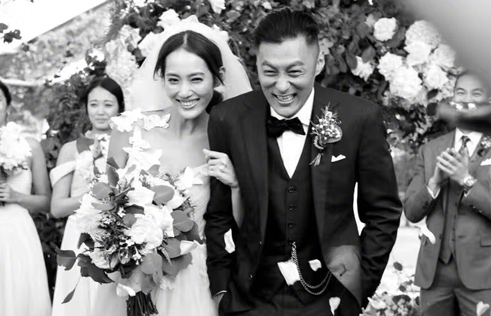
Alcohol is part of Chinese folklore. In modern China, alcohol retains its important role in folklore despite many social vicissitudes. It still appears in almost all social activities, and the most common circumstances are birthday parties for seniors, wedding feasts and sacrificial ceremonies in which liquor is the main drink to show happiness or respect.
Categories
|
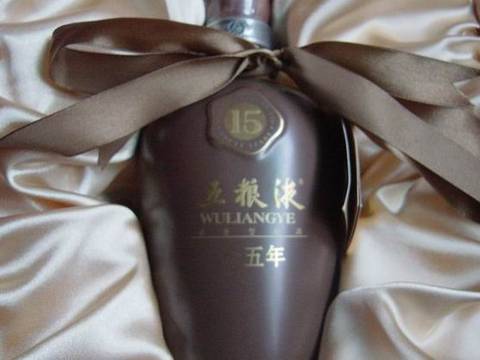 |
Chinese liquor can be generally classified into two types, namely yellow liquors (huangjiu) or clear (white) liquors (baijiu).
Baijiu of Chinese Liquor (White Liquor)
Baijiu, or “shaojiu” is a Chinese distilled alcoholic beverage. The name baijiu literally means "white liquor," "white alcohol" or "white spirits.” Baijiu is often mistakenly translated as "wine" or "white wine," but it is actually a distilled liquor, generally about 80 to 120 proof, or 40-60% alcohol by volume. It is usually served on the table of families and restaurants either for get-togethers, celebrations, or simply for fun and relaxation.
History
At the time that ancestors of the Chinese people started living in communities along the Yellow River valley, the planting of various kinds of grain laid the foundation for making wines and alcohol.
Some scholars believe that the technique for making Chinese liquor originated in the Xia Dynasty (c.2100 BC-c.1600 BC). Historical records credit Yi Di and Du Kang as the founding fathers of making liquor professionally.
According to historical records, Yi Di made great efforts to make mellow wine with fermented glutinous rice. Du Kang, who lived in the Xia Dyanasty, is credited with making top-notch liquor with Chinese sorghum beans. As the story goes, "Du Kang stored some cooked Chinese sorghum seeds inside a hollow tree stump on a winter day. In the spring of the following year, a fragrant aroma wafted from the tree stump into the nostrils of Du Kang. Afterwards, Du Kang found that it was the fermented sorghum seeds which gave off the alluring fragrance." This accidental discovery inspired him to make liquor from fermented sorghum seeds.
Taste
There are a number of popular descriptions in English which comment unfavorably on the taste of baijiu, comparing it with rubbing alcohol or diesel fuel. The author Tim Clissold, who writes frequently on China, noted that he'd "never met anybody, even at the heights of alcoholic derangement, prepared to admit that they actually liked the taste,” and that "after drinking it, most people screw up their faces in an involuntary expression of pain and some even yell out..”