Tax reform an index of social equity







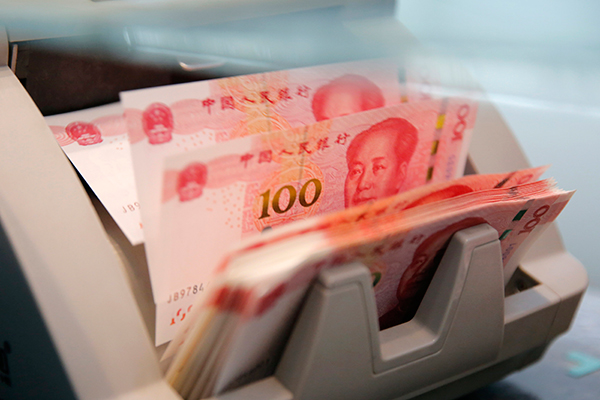
The draft amendment to the Individual Income Tax Law submitted to the Standing Committee of the National People's Congress on June 19 for review is a welcome move, especially because it has been seven years since the personal income tax threshold was raised from 2,000 yuan ($309) to 3,500 yuan.
The tax reform has drawn wide public attention because it is expected to not only ease the tax burden on low- and lower-middle income families, but also help establish a modern fiscal system.
It is necessary to reform the personal income tax system because it has some inherent loopholes. For example, it is unfair to impose different tax rates on the same amount of income because of the different sources of income or the nature of individuals' employment. The draft amendment makes it easy to collect tax on all personal income, including salary, remuneration and royalty, in order to plug the loopholes.
It also raises the personal income tax threshold from 3,500 yuan to 5,000 yuan (60,000 yuan per year) and, more importantly, overhauls the personal income tax system, paving the way for the establishment of a new personal income tax system that is based on both separate income sources and the total income of individuals.
A modern tax system emphasizes fairness, but the process of achieving fairness is complicated and requires high tax collection and management capacity. In this regard, the reform will allow the deduction of special expenses, such as children's education, treatment for serious diseases, and payments of mortgage interest and rent, from the taxable income of individuals, and thus relieve the tax burden of people with lower incomes.
If individual income tax were an elite tax levied on only a few people, the personal income tax threshold could have been higher. Still, the personal income tax threshold should be increased in accordance with the increase in people's living expenses. That's why besides raising the personal income tax threshold to 5,000 yuan, the amendment also stipulates deduction of special expenses from individuals' taxable incomes.
In addition, with the establishment of the new personal income tax system, individual income tax will be collected yearly instead of monthly. This will effectively relieve the unfair tax burden on individuals.
After the establishment of the new personal income tax system, people themselves have to declare their annual taxable income and apply for tax refund, if any, which will increase the percentage of tax compliance. But since the reform will increase the workload of tax officials, as they have to help individuals to declare their taxable income and apply for tax refund, if any, the specific categories of the tax system, such as deduction of special expenses should be designed in a way that makes it easy for the tax officials to cope with the new tax system.
But the amendment leaves some problems unsolved. For instance, it does not lower the high marginal tax rates, nor has it suggested any reduction in the highest individual income tax rate (45 percent) or other tax rates. A reduction in the highest tax rate will not necessarily result in reduced tax revenue, as a lower tax rate will mean fewer tax evasions and increased tax sources.
In fact, lower tax rates could increase the total individual income tax revenue, which in turn could make the tax system more competitive and improve the business environment. It will also help attract more international high-end talents to work in China, which will help the country's innovation-driven development strategy.
The author is a research fellow at the National Academy of Economic Strategy, Chinese Academy of Social Sciences.