Ways to tackle China's demographic challenges







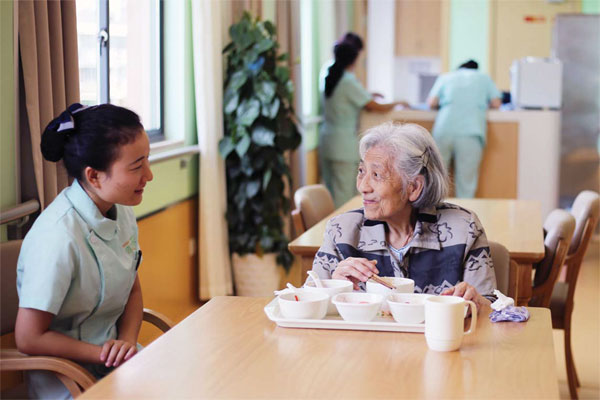
As China marks Seniors' Day across the country today, the nation faces two major demographic challenges: the aging population and the skewed sex ratio. In 2017, more than 17 percent of the total population, or 241 million people, were over the age of 60 or above.
According to projections, around 35 percent of the total population, or 487 million, will be 60 or above by 2050. On the other hand, the number of women of childbearing age — 15 to 49 — continues to decline.
The gender imbalance is another challenge the nation faces. There were 32.66 million more males than females in 2017, down from 33.59 million at the end of 2016.
Although the sex ratio has continued to improve, it's still far from ideal. The government expects it to reach normal range by 2030, thanks to economic progress and the second-child policy.
To overcome these problems, the government has announced a series of measures ranging from relaxed family planning, to strictly enforcing the ban on sex determination tests, to offering better facilities and services for maternal and child care.
But the country is currently caught in a catch-22 situation. Chinese women from time immemorial were mainly expected to perform two duties: get married and have children. But with recent economic prosperity, more women are focusing on careers, are not willing to settle with anybody and are in no hurry to start a family. Dating, live-in relationships and divorces are becoming more common than ever before. And this trend will increase as society becomes better-off.
So what's the way out? Governments at all levels should provide services to increase the birth rate, but at the same time acknowledge many couples will not have a second child, or even a single one and the number of senior people will continue to rise in the foreseeable future. Therefore it should implement policies to help fill this gap more aggressively.
Currently, China grants "green cards" only to high-end talent and their use is limited in scope. The government can offer cards to a bigger pool and even open citizenship doors to the holders. This will help not only in attracting sought-after talent, but also in retaining it.
The government's move to smoothen the path for Hong Kong, Macau and Taiwan residents to live and work in the mainland by giving them residence permits deserves to be applauded. This will benefit the nation in two ways: first, it will bring people closer; second, it will attract a more skilled workforce.
Third, authorities should not only reduce the paperwork required for Chinese to marry foreigners — especially in areas that have a high proportion of unmarried men — but also provide incentives such as language courses, vocational classes or monthly monetary benefits for a fixed period for newly arrived brides or grooms. This would not only go a long way in checking the growing social problem of single men struggling to find a bride, but also give time for the newly arrived to find their feet. There will be some people who will take undue advantage of these policies, but strict monitoring can curb abuse to a great extent.
There are other measures that can be strengthened to shrink the gender imbalance and simultaneously increase the birth rate. As per studies, the main thing deterring couples from having a second child is the cost of raising a child. Families, especially in major cities, find it financially daunting to pay for a second child's education, healthcare and childcare. To ease these worries, the government can invest more in education, especially kindergartens, community health services and housing. Once Chinese couples start feeling less stressed, they are more likely to get "under the sheets".
The author is a journalist with more than 18 years experience in media.