True locations of IP addresses will help you to believe, or not to believe







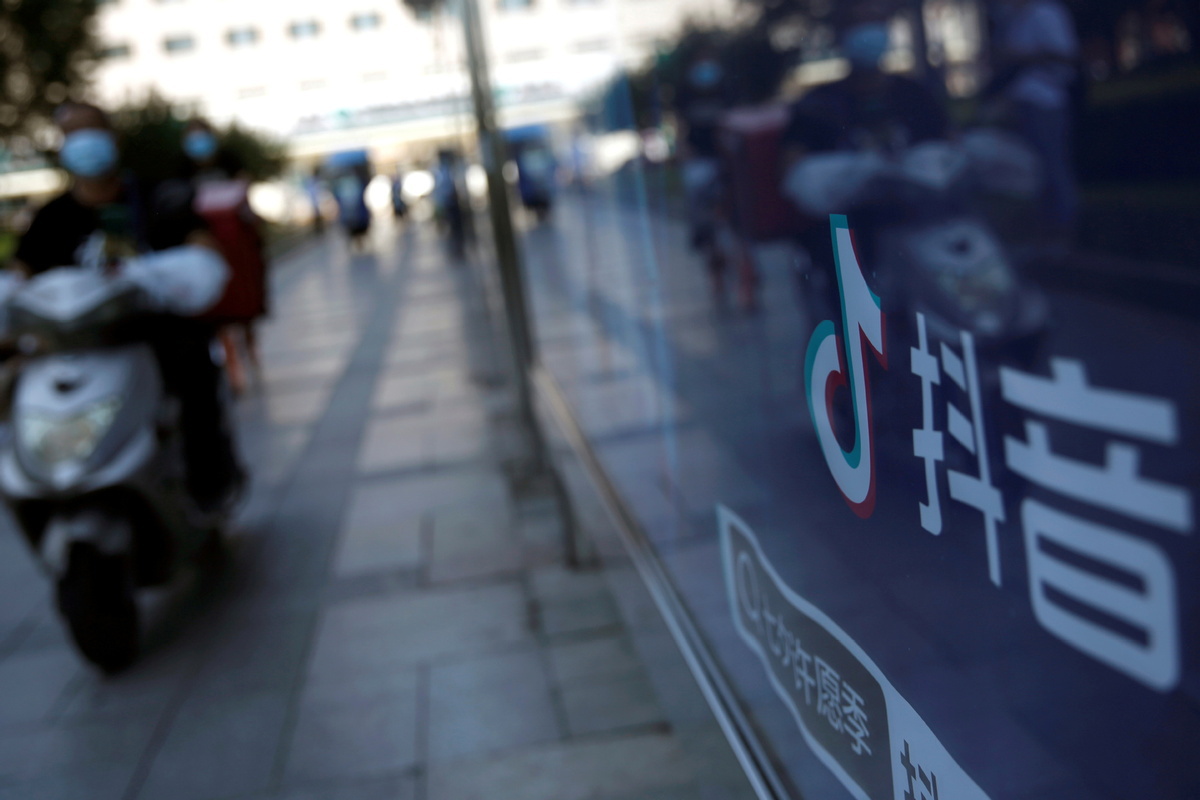
Since Friday many social platforms including popular video apps Douyin (known as TikTok abroad) and Kuaishou have announced that they plan to make locations of users’ IP addresses public on the users’ pages after a customary dry run.
They plan to display users’ true locations of IP addresses, rather than full IP addresses, according to telecommunication service providers. That means people can know a user’s true location in a certain province or region within China, or a country if the use is outside China.
This is a timely move since misinformation has become rampant on social media, with the issues ranging from the Russia-Ukraine conflict and novel coronavirus outbreaks to the China Eastern Airline plane crash in March. Many netizens uploaded posts on the internet, including social media platforms, as if they had witnessed or were involved in these events.
The move to display true locations of IP addresses can, at least, help other people identify where the posts are truly from, while preventing some netizens from portraying themselves as insiders to grab more eyeballs or get more hits.
According to Shanghai police, on Sunday a 36 year-old woman surnamed Zhang received administrative punishment for spreading rumors that a pregnant woman in her community had been mistreated by governmental staff and died. The truth is that in March, the pregnant woman was timely sent to the hospital by community workers and delivered twins. Such rumors apparently cause misunderstanding, and could divide the public and hinder the efforts to jointly fight the pandemic.
Also, a rumor about the cause of the March 21 air crash frayed the public’s nerves. According to a rumor doing the social media rounds, the co-pilot of the aircraft deliberately caused the accident. On April 11, officials from the Civil Aviation Administration of China dispelled the rumor based on so-called “black box analysis”, because the probe into the accident is still going on. Those spreading such rumors have little respect for victims of tragedy, and rub salt into the wound of the co-pilot’s family.
Besides, in the initial days of the Russia-Ukraine conflict, some self-proclaimed “overseas Chinese” in Ukraine spread lots of information which can hardly be verified as true or false.
For Douyin and Sina Weibo, users with malicious or ulterior motives and spreading misinformation could be innocent or innocently “ignorant” people. But the content shared by those users can have huge negative consequences for society, as they are likely to be re-posted thousands of times on other social media platforms.
According to a report released by China Internet Network Information Center in February, the country has more than 1 billion internet users, with a 73 percent online penetration rate.
That means the internet, although virtual, is a world in itself. Yet the virtual world is not beyond law, and people using the internet are obliged to obey the laws and rules of the land. From the Criminal Law, Civil Code, Law on Penalties for Administration of Public Security and the Cyber Security Law and some regulations, all have articles related with misinformation, and stress that rumormongers be punished in accordance with the severity of their slanderous or anti-social activities.
However, some netizens still defy the law and regulations in order to gain more views, while others do so because of other ulterior motives. So the social media platforms should shoulder their responsibility of helping people to tell true from false.
The Cyberspace Administration of China, the country’s top internet regulator, said in March that online enterprises should practice self-discipline and better oversee content on their platforms, and barred platforms from publishing malicious content.
Therefore the social media platforms’ plan to display the true locations of IP addresses can help people identify some of the false information. For example, it will be hard for some netizens to disguise them as witnesses to the Ukraine crisis if their IP addresses expose their true location is far from Ukraine.
And because the platforms only display the locations at a provincial level in China or a foreign country, they will strike a balance between the public’s right to know and the users’ right to privacy.
Curbing misinformation at the source is necessary. So, hopefully, the move to make the locations of IP addresses public will help clean the virtual world and prevent people from being led astray.
The author is a writer with China Daily.