Overdoing consumption upgrading will backfire







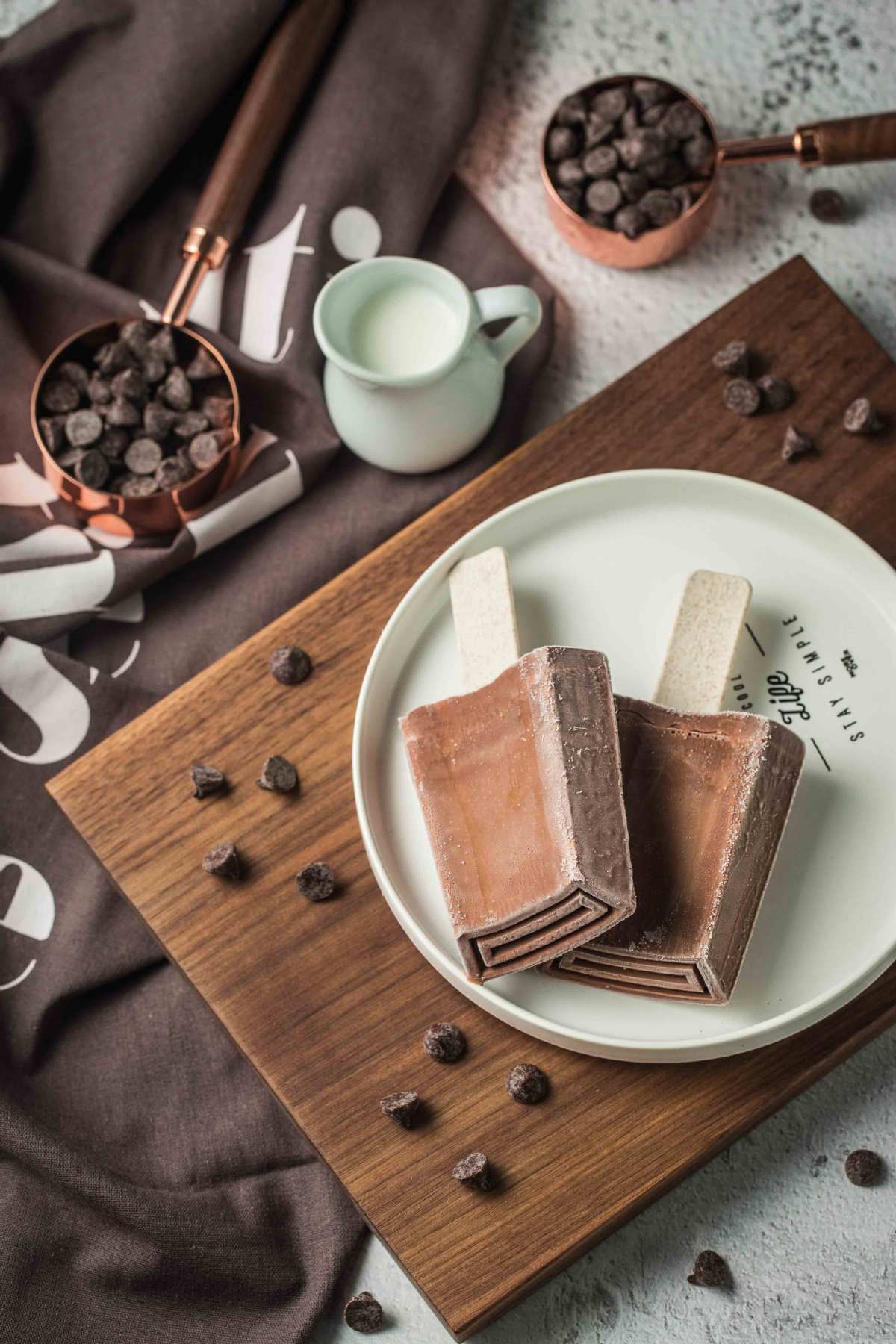
Some highly-priced xuegao, a kind of ice cream, became a point of discussion on social networking sites recently after some consumers unsuspectingly picked them up at supermarkets in the absence of identifiable price tags and were shocked to know the price on reaching the payment counter.
While not marking the price clearly and misleading consumers was definitely an issue, public opinion focused on the high prices. This is because in recent years, commercial innovation in China is mainly focused on tea, coffee, ice cream, drinks and other beverages, but mostly by raising prices to create a high-end brand image, thus sparking concerns that consumers might soon lose the "financial freedom" to buy even ice creams.
In developed countries, coffee and ice cream are seen as mass consumer goods that can never become luxury items. However, in China, some popular American brands have been packaged as "luxury brands". Take Starbucks for example. Although per capita income in China is much lower than in the US, a cup of Starbucks coffee is more expensive in China than in the US. Even Haagen-Dazs ice cream, an ordinary brand in the US, has become a luxury brand in China.
Chinese marketing has long been guided by consumption stratification, or giving certain social attributes to some commodities through differentiated pricing. While this is conducive to building a brand image, it has also encouraged a distorted consumption culture of "seeking not the best but the most expensive goods". This kind of culture causes capital to choose high-end brands and take consumption upgrading as a stunt to raise prices when entering China.
This business model aiming at the special needs of a specific group of people is a common phenomenon, but such "special stratification" in the field of mass consumption often leads to overmarketing. Marketing should ideally be product-centered to meet consumer demand, rather than deviate from the product itself. Otherwise, the model would become unsustainable.
China is in the process of consumption upgrading, but that does not mean simply raising prices to reflect so-called consumption stratification. Mass consumer goods must be accepted by the public and only affordable prices can help achieve commercial success. When there is a new product, consumers might irrationally participate in the initial stages, but ultimately rationality will guide their choices.
21ST CENTURY BUSINESS HERALD