Why nations are reducing US bond assets







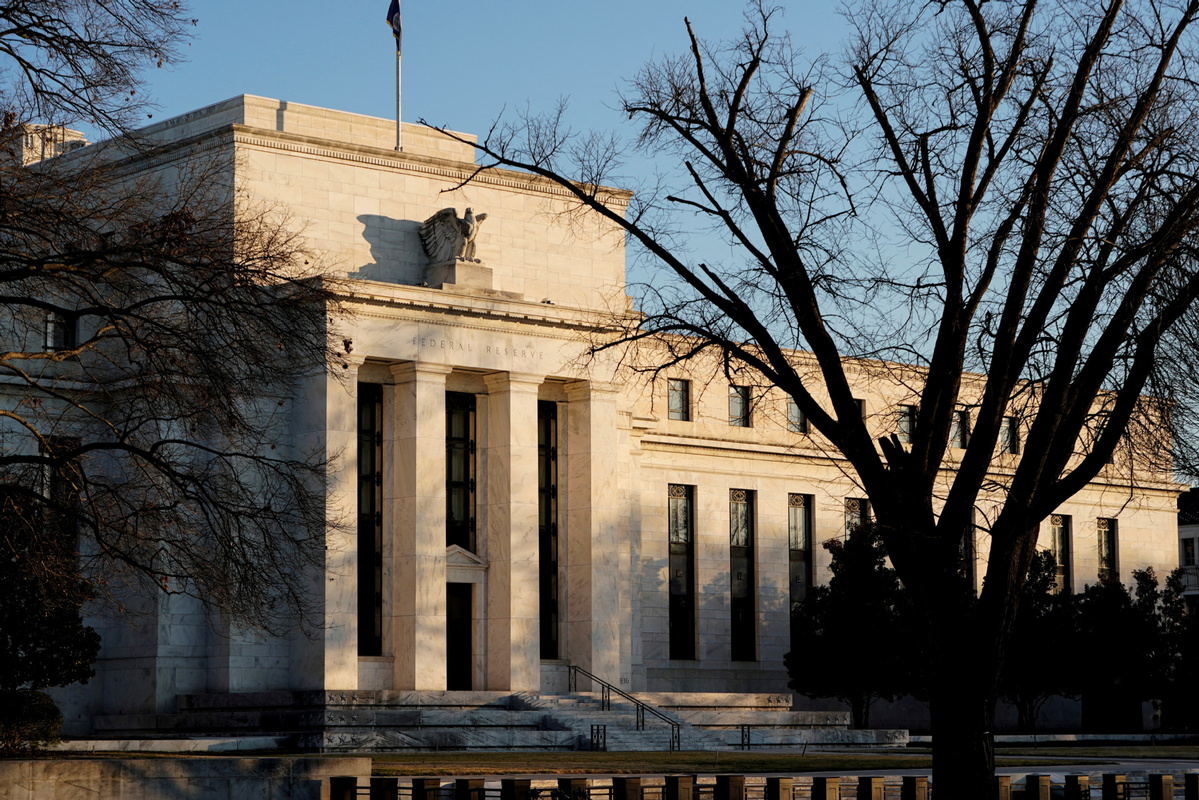
A noticeable change seen in recent times is the fall in many central banks’ holdings of US Treasury bonds. The two largest US bond holders, Japan and China, have been reducing their holdings for three and six months. Yet these two countries are not the only ones to do so. At least 19 other governments, including those of Brazil and Vietnam, have also sold significant portions of their US Treasury bonds since May.
Why?
Three main factors are at play. A direct cause is the expectation of further rate hikes by the US Federal Reserve — higher rates mean lower bond prices. So, home holders are better off offloading some bonds when prices are high.
A second reason is to bolster the currency value. The US dollar has appreciated significantly since the Fed started hiking interest rates in March. The trend is expected to continue, exerting immense downward pressure on other currencies.
Depreciation of the local currency benefit exports yet it depresses imports at the same time. And now that prices of energy, food and raw materials have reached historical highs due to the Ukraine-Russia conflict and countries in Europe and Asia are under tremendous pressure of ensure imports, they can get close to the exchange rate they want by buying and selling dollars.
The third reason is the countries’ efforts to diversify from dollar assets. Israel is one such example of a country reducing US Treasury bond holdings while increasing its assets in yuan, Canadian dollars, Australia dollars and yen.
Indeed, capital released from the US bond market has been reallocated to other markets. And China has become an emerging destination for capital inflow, as overseas investors can more easily buy and sell stocks and bonds in the Chinese mainland’s markets. Besides, Chinese government bonds and share stocks have been included in all major global benchmarks, including the Morgan Stanley Capital International equity indices and the Bloomberg Barclays bond index, and institutional investors who track those indices would automatically increase their holdings of yuan-denominated assets.
What will be the impact of these developments?
Despite the recent sale of US Treasury bonds, the dollar’s hegemony has not been challenged in a fundamental manner. The US issues the world’s primary reserve currency, which effectively makes treasuries safe assets, particularly during uncertain times.
The appetite for US treasuries remains apparent in recent market movements. While governments are busy selling US government bonds, individual investors are busy buying in. In May, governments around the world sold $34 billion worth of US Treasury bonds, with individuals buying $134 billion of bonds. Global investors rushed to safe assets, mostly US treasuries, due to persistently high inflation and volatile stock markets. Therefore, net selling has not been as dramatic — and the private flight to safety has partly sopped up the new supply of treasuries from government sales.
Nonetheless, the decline in many countries’ holdings of US government bonds suggests a shift in the mindset of many central banks. The US has been increasingly imposing financial sanctions on other countries, such as Russia and Iran, to settle disputes and differences, making any country that has a dispute with US vulnerable.
Add to another layer of uncertainty because of US elections, in addition to the bumpy post-pandemic recovery, to realize the challenges that lie ahead of countries around the world. It is thus no surprise that governments want to diversify, at least partly, away from dollar reserves.
In fact, the dollar will face more competition in the future, not just from other fiat currencies, but also from cryptocurrencies. Saudi Arabia, for instance, has reduced its holdings of US treasuries by nearly 40 percent since early 2020 and experimented settling some international transaction using cryptocurrencies. As the world’s most important oil exporter, Saudi Arabia’s reduction of US government bonds has far-reaching impacts, because the transactions for oil and most other commodities are still settled in dollars.
Russia, too, has been urging European countries to use the ruble payment system to buy Russian gas in order to circumvent the US financial sanctions. In the end, a country’s economic clout and financial innovation capacity determines its currency’s supremacy. The US has no monopoly in this regard.
The author is chief economist at Hang Seng Bank China.
The views don’t necessarily reflect those of China Daily.
If you have a specific expertise, or would like to share your thought about our stories, then send us your writings at opinion@chinadaily.com.cn, and comment@chinadaily.com.cn.