New report finds decarbonization of Asia will bring co-benefits to clean air








With the global need for carbon neutrality and net-zero emissions, many Asian countries have announced their decarbonization goals. Clean Air Asia's new report 'China's 10-Year Path toward Cleaner Air: An Asian Perspective' concludes that developing Asian countries face a particularly arduous task to reduce emissions. It also shows that China has had the fastest progress in air quality improvement but is also under great pressure controlling greenhouse gas emissions.
According to the report, air quality in megacities covered in the analysis has generally improved over the past decade, particularly in East Asia. From 2018 to 2021, of the nine cities that saw their three-year moving average of PM2.5 concentration drop by more than 10 percent, eight were in East Asia - six of them in China alone. South Asia fared less well, with India's capital New Delhi and Bangladesh's capital Dhaka both having much higher concentrations of PM2.5 than other megacities.
China is the one improving fastest in air quality in term of population-weighted annual average concentration of PM2.5 between 2012 and 2019, according to State of Global Air. Also, from 2013 to 2021, the annual average PM2.5 concentration in China decreased by about 56 percent and the average SO2 concentration fell by about 78 percent. During the same period, China's gross domestic product (GDP) maintained a high growth rate of 6.6 percent on average, nearly double the average growth rate of developing economies.
"It is called the 'golden ten years.' China has made great efforts and the achievements are impressive." Dr. Wan Wei, China program director of Clean Air Asia, shared her observations on China's last 10-year path to cleaner air. "China revised and issued its Ambient Air Quality Standards in 2012, seen as a major milestone in the process of tackling air pollution. "
Meanwhile, the challenges of decarbonization that lay ahead are severe. Many Asian countries have announced decarbonization goals. However, about 1/3 of the world's energy consumption occurs in Asia, as are around half of the world's CO2 emissions. Developed countries such as Japan, the United States, the United Kingdom, and Germany have already achieved their carbon peak, while developing countries in Asia are still "climbing the hill."
In 2020, China set the goal of achieving carbon peak by 2030 and carbon neutrality by 2060. "The period committed from carbon peak to carbon neutrality is about 30 years. To achieve this, China needs to work hard.", said He Kebin, Academician, the Chinese Academy of Engineering, professor of the School of Environment, Tsinghua University.
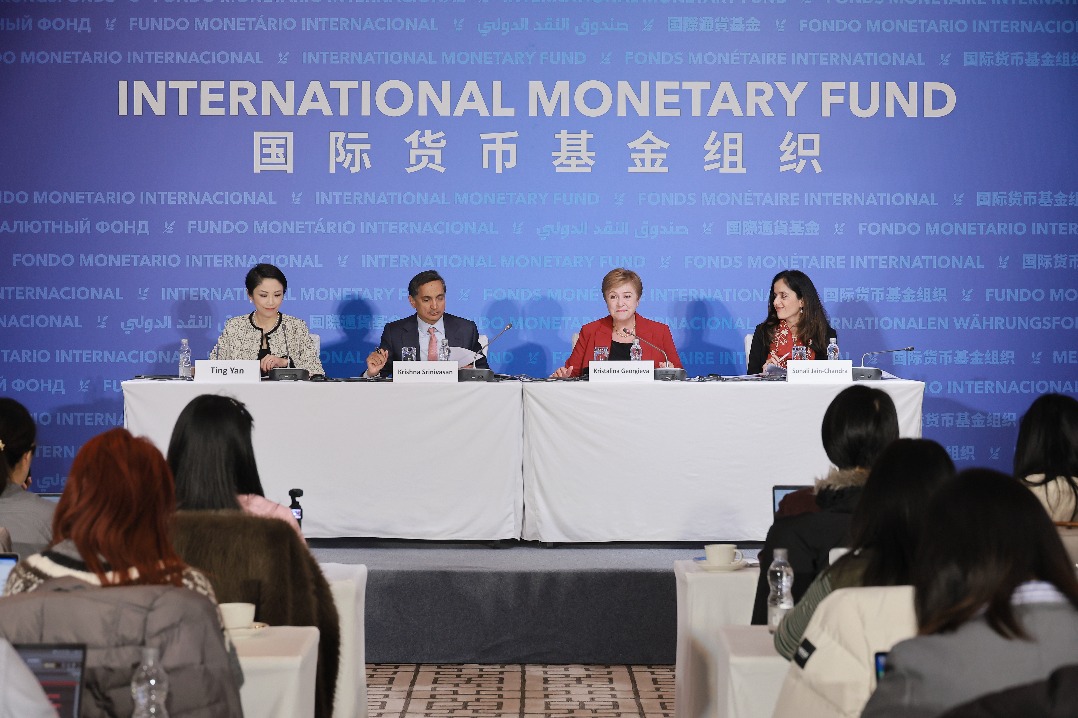
"The way toward decarbonization is hard. But achieving decarbonization in Asia will bring driving forces and co-benefits to clean air, therefore it benefits the public health.", said Bjarne Pedersen, Executive Director, Clean Air Asia, at the China Blue Sky Forum 2022.
"Our latest research shows that if the air quality is continuously improved on the basis of the 2020 level, the health benefits brought about can account for about 1%-4% of GDP, which is higher than the direct cost.", said Zhang Shiqiu, professor of the College of Environmental Sciences and Engineering of Peking University.
"The next critical step will involve moving from research to policy and actual implementation." Eric Zusman, research director in Center for Sustainability Governance of IGES (Institute for Global Environmental Strategies) noted.
According to the report, most Asian countries are highly dependent on fossil fuels. In China, India, and Mongolia, coal accounts for more than half of the total energy consumption, while Southeast Asian countries depend significantly on oil.
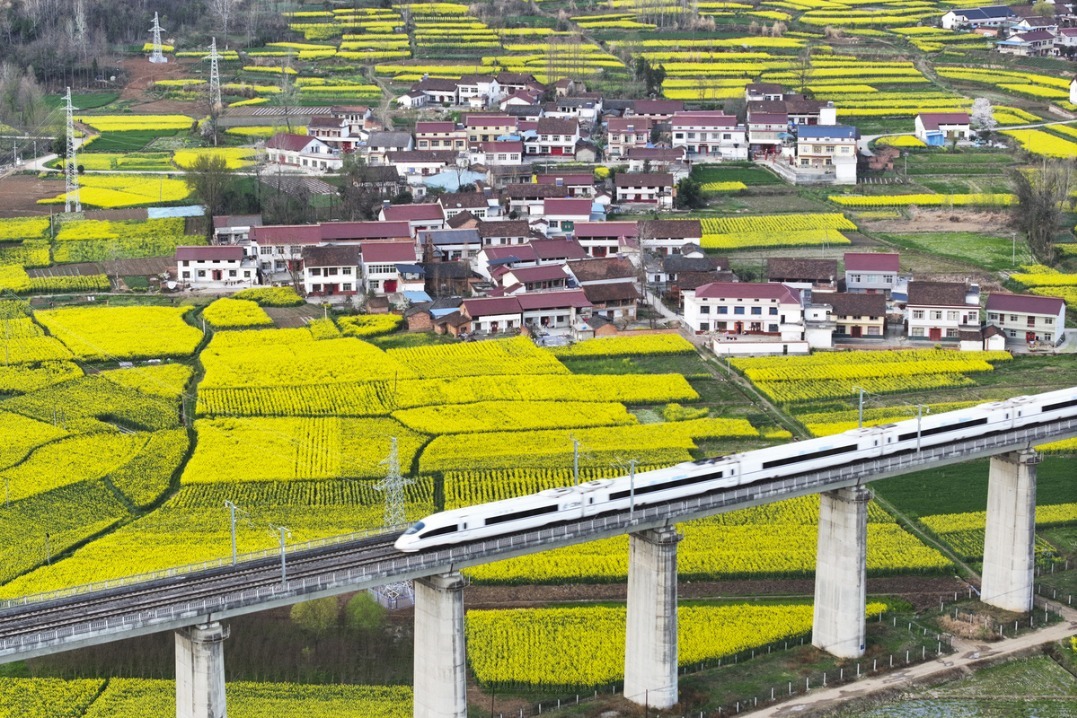
When it comes to transportation sector however, the energy transition seems quite promising. China is now the world's largest electric passenger car market, accounting for half of the global market share. Most Asian countries are still in their infancy, but they have also proposed medium and long-term development goals.
"In many fields, such as policy and standards development, Best Available Technology (BAT) application, capacity building and so much more, the exchange and cooperation in the field of clean air and climate change mitigation are needed, no matter for big emitters or for emerging economies," said Dr. Hoang Duong Tung, Chairman of Vietnam Clean Air Partnership.
"We hope this latest China Air report could play a role as bridge, so that the experience and best practices can be shared among Asian countries, which may support in finding best pathway for respective nations to achieve clean air and decarbonization," said Dr. Wan Wei.