Put people in better frame of mind to move on from pandemic







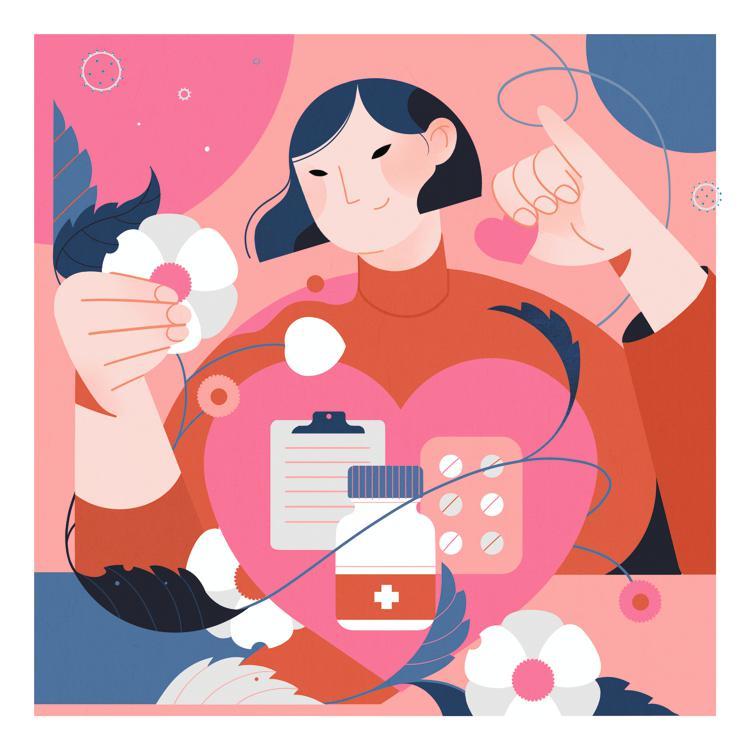
Given the ninth edition of the country's COVID-19 control protocols and the 20 modified prevention and control measures, as well as the 10-point guideline to further loosen COVID curbs, China's epidemic prevention and control policy is being adjusted and optimized.
The new policy is bringing about positive changes, creating an opportunity for psychological health to be fixed. However, it is undeniable that optimizing the policy, which is crucial for economic recovery, has led to surging cases in many cities across China. Providing psychological support is therefore important to help people regain confidence in mobility, which is essential to reboot the economy.
People's mental attitude has undergone major changes in the past three years since the start of the COVID-19 pandemic.
According to a survey conducted by the Psychological Services and Mental Crisis Intervention Research Center, jointly established by the Institute of Psychology at the Chinese Academy of Sciences and Southwest University of Science and Technology, both the public's trust in the epidemic prevention and control measures, and their happiness rose at first but they have steadily declined in the past three years from March 2020 to March 2022.
Their willingness to cooperate with epidemic prevention and control measures has decreased in the third year, while their worries about the economy have increased significantly. Besides, they have been more concerned about family relationships over the past three years. The survey was conducted online with a total of 13,298 participants from Sichuan province.
With the modified prevention and control measures and the less deadly variant of the novel coronavirus being prevalent, people's outlook has dual characteristics. On the one hand, they are habitually worried and anxious about the virus; on the other hand, they are eager for a safe and normal life. The two different mentalities are intertwined, which may result in a psychological imbalance and the two may even be pitted against each other.
Given the possible psychological imbalance, it is necessary to make the modified measures better understood, and forge consensus that everyone is the first person responsible for their own health, and also the first person responsible for their wellbeing.
It is therefore very important to timely publicize information about the ongoing situation and allay people's concerns about the sequela of COVID-19, health care, and employment prospects. Epidemiologists should continue to offer guidance to people on how to monitor health and what medicines to take at home in the event of infection, as this will help allay people's anxieties.
It is also necessary to set up a long-term mechanism of risk identification, early warning and psychological intervention. Specifically, it is important to monitor social mood and mental health by conducting surveys, based on which interventions can be made to assist those suffering excessive distress, creating an early warning system for suicidal or aggressive tendencies.
By focusing on groups such as civil servants, health workers, and teachers, it will be possible to discover hidden complaints and holdouts among people at an early stage, and deter the spread of negativity, such as the encouragement for people to "lie flat".
It is essential to cultivate confidence that society can successfully move on from the pandemic.
Looking back at the last three years, positivity such as "one party in trouble, all parties coming to support" has united all Chinese successfully against the deadly virus. A scientific and rational mindset is necessary in the face of changes to the measures and people should continue to support one another.
With economic incentives, social security, mobilization and publicity, positive mentalities such as optimism, open-mindedness, humor, and resilience in Chinese traditional culture can be boosted, which will promote people's understanding and recognition that the country's anti-pandemic prevention and control measures are stable, systemic and scientific.
Wang Bin is an associate professor of psychology at Southwest University of Science and Technology and Fu Haojie is a Ph. D candidate of Tongji University.
The views don't necessarily represent those of China Daily.
If you have a specific expertise, or would like to share your thought about our stories, then send us your writings at opinion@chinadaily.com.cn, and comment@chinadaily.com.cn.