'Exploitative China' another of West's smears
Washington is leading a propaganda campaign in bid to undermine bonds with developing countries








Washington is leading a propaganda campaign in bid to undermine bonds with developing countries
The United States' attitude toward China has always been complex.
It is apposite to note that the expressed fear of China by the US is not because China is threatening any country militarily, nor because it has attacked any state. It is because of China's success in developing its economy and the goodwill China has garnered by helping poor countries to improve their productive capacity, that the US has been leading the West in waging a massive propaganda campaign against China. The aim of which is to create a false image of China as an exploitative state.
The reality is vastly different to their smears.
After China's economy began to grow rapidly, it very soon surpassed that of Europe and Japan to become the second-largest economy in the world. At the same time, in keeping with its internationalist philosophy and its commitment to opening up to the world, China began to create links with the rest of the world, both developed and developing countries.
For the developed countries, China became one of the main destinations for investment. Meanwhile, the economy of China and those of Western countries became very much linked. Indeed China has become the largest holder of the US government's bonds. It was an example of real mutual economic benefits for all concerned.
China's assistance to developing countries started with the least developed ones, which were unable to get any loans from international financial organizations. They were considered high risk countries and practically ignored by Western governments.
It was the selfless assistance it provided that raised China's reputation as a true friend to peoples in the developing world, Africa in particular, which had the greatest need.
During those times the US, from time to time made some criticism of China. But those criticisms grew in hostility particularly after the 2008 global financial crisis.
In this period China's economic importance to the world economy became manifest. China became the greatest driver of the international economy and a key trading partner for most countries in the world.
From this time, relations with the US and China began to encounter choppy waters.
The main reason for this was an unreasonable fear by the US of China's growing economic strength and the friendships China was forging by providing assistance to many developing countries.
This included roads linking various parts of individual countries and also linking countries with each other. For instance Chinese built a railway from Addis Ababa, capital of Ethiopia, all the way to the port of Djibouti. This is because Ethiopia is land locked and that project has helped Ethiopia's foreign trade greatly.
When countries got into difficulties repaying loans, they were supported by China, which renegotiated the loans and gave the borrowing countries more time to repay. That allowed the repayments to be made on much easier terms. It also allowed countries to pay their debts with produce that they have in abundance, thereby reducing the pressure to repay in hard currency.
However, the West has been making no secret of its intentions. At the last G7 Summit, the US and other member countries announced a global infrastructure initiative aimed at mobilizing $600 billion to the developing countries.
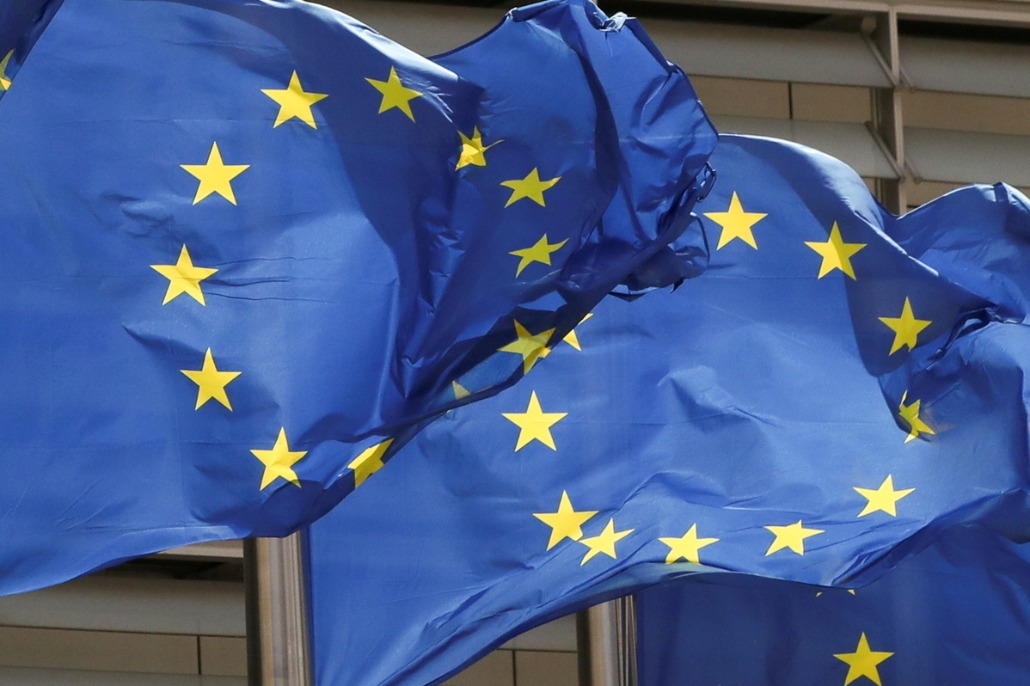
Western countries have even continuously launched programs in the name of "higher quality" with the aim of countering the Belt and Road Initiative, including Japan's Partnership for Quality Infrastructure, the European Union's Global Gateway, and the G7's recently announced Partnership for Global Infrastructure and Investment, among others.
On the face of it this seems laudable. However, they have left nothing to the imagination. They announced publicly that their main purpose is to counter China's Belt and Road Initiative, which is attracting more and more participants. Therefore, it is clear that development of poor countries is not a priority for the G7 countries. The most important is countering China's influence as a friend of the peoples of developing countries.
Despite the propaganda offensive of the West against China and the belated attempts of the G7 countries to "assist "poor countries, China's reputation as a reliable partner and a real friend to the developing countries continues to grow. And as China's reputation grows, the US' hostility to it is increasing.
The US has now begun applying economic sanctions on China. In order to slow down China's progress, the US has banned the selling of computer chips and other technologies to China. China's leading high-tech companies are now being barred from the US market. Companies such as Huawei and Tik Tok are subjected to bans and other restrictions. Many Chinese exports are subjected to high tariffs.
In addition, the US has been using its political and military influence to force European countries to ban Chinese companies. It is also pressuring other countries to stop their ties with China. Some succumb to such pressures but in most cases the developing countries value China's friendship.
Clearly the US is very scared of China. Not because it believes that China wants to dominate the world militarily. The main reason is the example that China has become for many countries in the world. It shows that another road to freedom is possible and very viable.
It is time that the US reviews its position on China and abandons its irrational fears.
The author is the former president of Guyana. The author contributed this article to China Watch, a think tank powered by China Daily. The views do not necessarily reflect those of China Daily.
Contact the editor at editor@chinawatch.cn.