Overcoming investment barriers
Chinese enterprises should prepare for compliance in advance, assess sources and use of financing and get prepared to defend against subsidy review before making mergers and acquisitions in Europe








Chinese enterprises should prepare for compliance in advance, assess sources and use of financing and get prepared to defend against subsidy review before making mergers and acquisitions in Europe
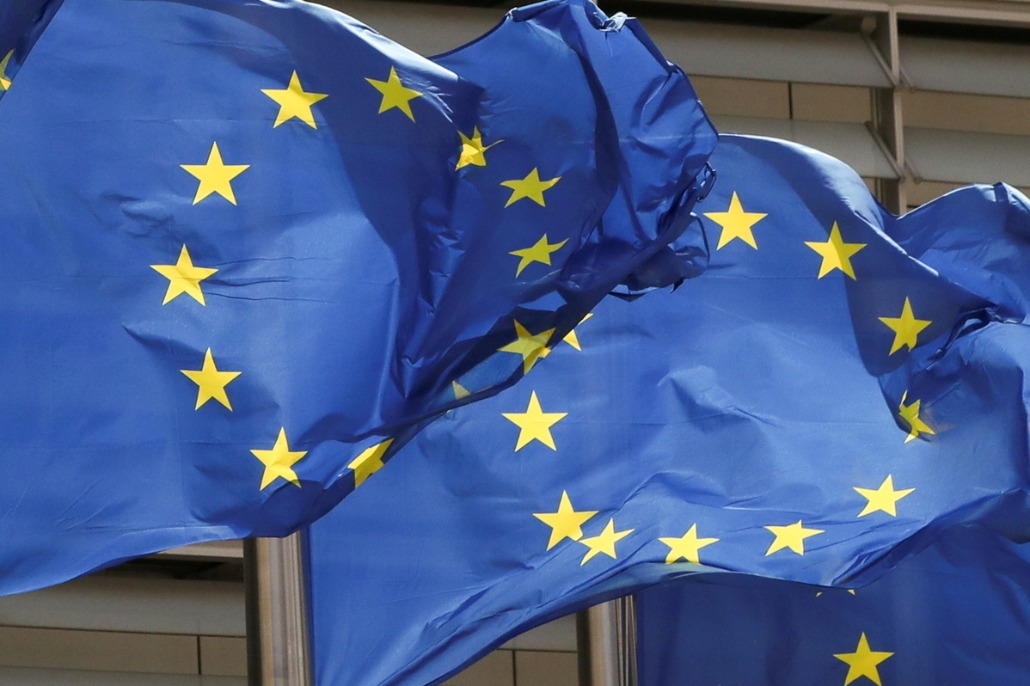
In November 2022, the European Parliament and the Council of the European Union approved the Regulation on Foreign Subsidies Distorting the Internal Market.
Six months after the regulation came into force on Jan 12, the European Commission (EC) will be able to launch ex officio investigations. To supplement the regulation, the EC began to solicit comments on the Draft Implementing Regulation on Feb 6, which seeks to elaborate procedures and rules for investigating and reviewing foreign subsidies.
First, the new review mechanism has raised barriers for enterprises investing in Europe. The regulation extends the scope of review to State-owned enterprises, loans of State-owned banks and private entities receiving so-called financial contributions, resulting in increased administrative approval procedures for certain investors traveling to Europe. The newly-introduced foreign subsidy review mechanism is adopted along with the anti-monopoly and foreign investment review mechanisms, making enterprises investing in Europe face triple reviews and increasing transaction costs for foreign enterprises entering the EU market.
While eying mergers and acquisitions in hi-tech and strategic sectors identified by the EU, foreign companies are more likely to face overlapping, drawn-out and rigorous review.
Second, abuse of the regulation might enhance compliance costs for enterprises operating in Europe. Many key concepts in the regulation, such as the financial contribution, distortion effect and balancing test, are still vague. Executive agencies are granted broad discretionary power, leading to more uncertainties in the operation of enterprises in Europe.
Prosecutors are supposed to provide proof of subsidies in most cases under World Trade Organization agreements, but the regulation states that the EC can assume that certain financial contributions are foreign subsidies when operators fail to provide sufficient evidence to the contrary. That will increase the compliance costs of enterprises greatly. Since companies, governments and social communities, including those in competition, can report to the EC, the regulation might be abused.
Third, countervailing investigation may reduce the enthusiasm of enterprises to invest in a third country. The EU extended the scope of countervailing duties against exporting countries to third countries in trade remedies.
Under the regulation, the EC is authorized to investigate enterprises in a third country after gaining the local government's permission. Investment provided by enterprises in a third country outside the EU may be considered a subsidy by the EC. As a result, countries with close economic ties to the EU may become more cautious when making investment cooperation with Chinese enterprises and financial institutions, leading to mounting uncertainties for Chinese enterprises' investments in a third country.
Fourth, emerging international subsidy legislation may intensify regulatory pressure on enterprises. The EU's foreign subsidy legislation may drive advanced economies such as the United States, Japan and the United Kingdom to follow suit by setting up more stringent and sophisticated regimes to regulate foreign subsidies. The introduction of unilateral subsidy regulatory tools will affect the application of multilateral rules and make certain enterprises face a more targeted regulatory environment in outbound investment.
Still, the regulation will also bring positive impacts on enterprises that invest and operate in Europe. Enterprises could turn to the regulation to seek a more level playing field. Major economies are increasing input in industrial policies and enhancing financial support significantly for fields including new energy, chips, and infrastructure. This has disrupted free and fair trade and the investment environment and led to unfair competition for companies in certain industries during overseas investment. After the implementation of the regulation, Chinese enterprises could turn to the feedback mechanism to safeguard rights and interests when other investors use unfair subsidies to their benefit in the EU market. The regulation could urge enterprises going global to optimize operation modes. The EU's restrictions on foreign subsidies drive enterprises investing in Europe to improve governance and pay more attention to compliance preparation and risk assessment before investment. The regulation will prompt enterprises to utilize financial assistance more efficiently and transparently, and strengthen cooperation with international investment and financial institutions.
For Chinese enterprises to better cope with changes brought by the regulation and international subsidy rules in overseas investment, China needs to improve dialogue with the EU on implementation of the regulation, and urge the EU not to arbitrarily expand the coverage of providers and forms of foreign subsidies in review.
Chinese enterprises should prepare for compliance in advance, assess sources and use of financing and get prepared to defend against subsidy review before making mergers and acquisitions in Europe. The evaluation criteria of market distortion effect and judicial practices of EU competition laws should be fully examined, and the impacts of investment on EU public goods should be combed. Enterprises can highlight the positive influences of subsidies in the balancing test, pool professional personnel to conduct the subsidy compliance assessment, and ensure more effective investment protection through nationality planning.
Chen Zhaoyuan is an assistant researcher with the Institute of World Economics and Politics at the Chinese Academy of Social Sciences. Han Bing is an associate researcher with the Institute of World Economics and Politics at the Chinese Academy of Social Sciences. The authors contributed this article to China Watch, a think tank powered by China Daily. The views do not necessarily reflect those of China Daily.
Contact the editor at editor@chinawatch.cn