'Ocean sewer' indelible stain on Japan's image







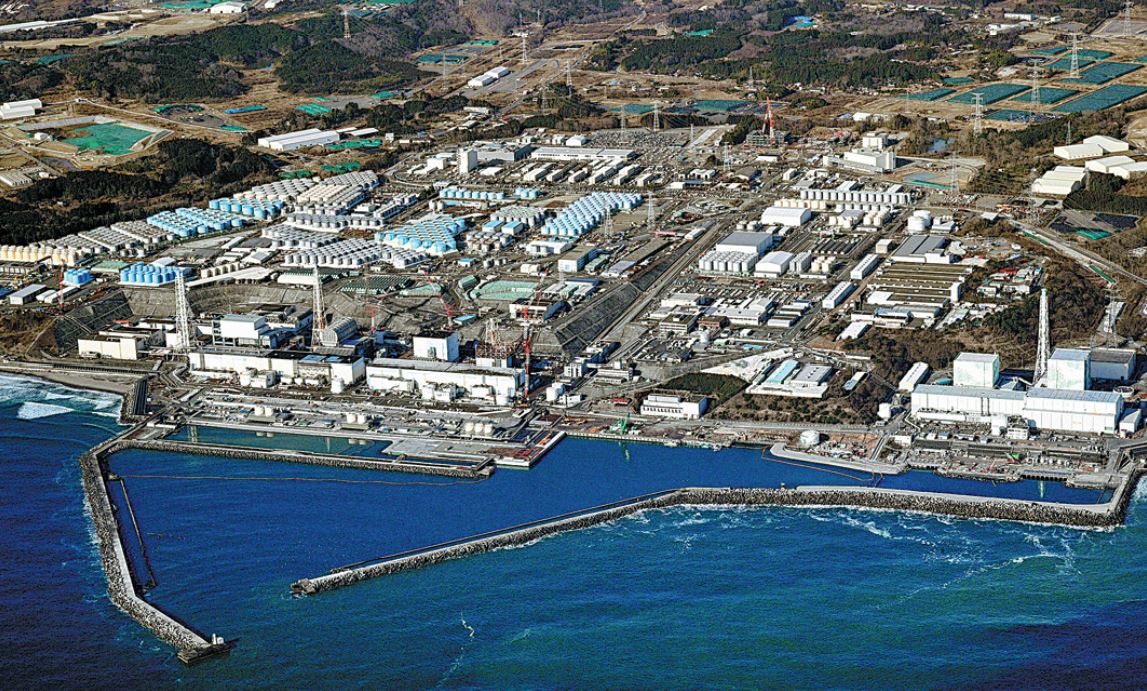
Reportedly, despite the fierce opposition of the international community, Japan has already prepared to start discharging the nuclear contaminated water at the Fukushima nuclear power plant into the Pacific Ocean soon, without the authorization of the International Atomic Energy Agency.
Not only about 1.2 million tons of nuclear waste water that had already been produced and stored in tanks near the power plant, but also the waste water to be created in the future from the deserted nuclear power plant will be discharged into the sea. The process will take decades.
Many experts warn that dumping the Fukushima nuclear wastewater will contaminate half of the Pacific Ocean within 57 days from the date of discharge and spread around the world in 10 years.
And a report recently released by Tokyo Electric Power Company, owner of the Fukushima nuclear power plant, indicates that black rockfish caught in the port of the Fukushima nuclear power plant in May were contaminated with radioactive element Cs-137 far exceeding safety levels, reaching 18,000 becquerels per kilogram, 180 times that of the maximum stipulated in Japan's food safety law.
If the nuclear contaminated water is really as safe and harmless as Tokyo claims, why is it not being discharged into Japanese lakes or pumped into the ground water? Why has it built long drainage pipelines to discharge it into the oceans?
The answer from Japan's own expert committee set up for the issue is clear: discharging the waster into the sea is the cheapest solution, and poses the least risk of pollution to Japan itself.
To do so is extremely selfish and irresponsible.
As Chinese Foreign Ministry spokesperson Wang Wenbin said, the ocean is humanity's common good, not Japan's private sewer. Japan clearly has other options for disposing of the water. Japan's Ministry of Economy, Trade and Industry offered five proposals, and experts from neighboring countries have also proposed safer and more prudent plans such as long-term storage.
However, without fully assessing the alternatives, the Japanese government has unilaterally decided to dump the water into the ocean. It is a selfish move that puts the common interests of all humanity in jeopardy.
Dumping the toxic water in the ocean is a disgraceful act that will harm the people in Japan's neighborhood and the Pacific island countries, and cost Japan its reputation in the international community.