Soft roads of the initiative








In the second decade, apart from roads, bridges and green energy transformation, the BRI should also focus on cooperation between universities, research institutes and think tanks
It is estimated that so far over 150 countries have joined the Belt and Road Initiative. Together with China, they are inhabited by about 75 percent of the world's population and account for more than half of the world's GDP. While certain countries are considering participating in the initiative and may still join it, very few have chosen to quit it.
This is the case of three small Eastern European countries, the post-Soviet republics of Estonia, Latvia and Lithuania. Their decision to leave the initiative nevertheless has little meaning since their contribution to world production is insignificant, amounting to only a fraction of 1 percentage point in total.
Although the remaining 14 countries of the Central and Eastern Europe participating in the Belt and Road Initiative — Albania, Bosnia and Herzegovina, Bulgaria, Croatia, Czech Republic, Greece, Hungary, Montenegro, North Macedonia, Poland, Romania, Serbia, Slovakia and Slovenia — have expected more, they can be satisfied with the achievements of this project. Much more would be accomplished if not for the disturbance caused by the COVID-19 pandemic and by the Ukraine crisis.
Despite such obstacles and unfavorable international political atmosphere, intensifying with the escalation of the second Cold War tainted by Sinophobia fueled by the United States, the economies and societies of the Central and Eastern Europe have a slightly higher level of production and employment as a result of expanded and deepened economic cooperation with China, to which the first decade of the Belt and Road Initiative's implementation has contributed.
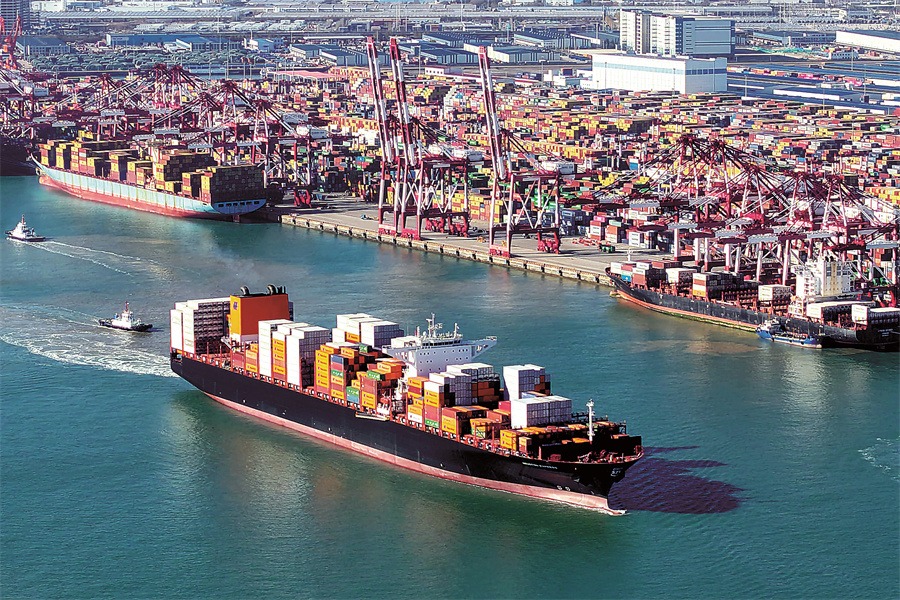
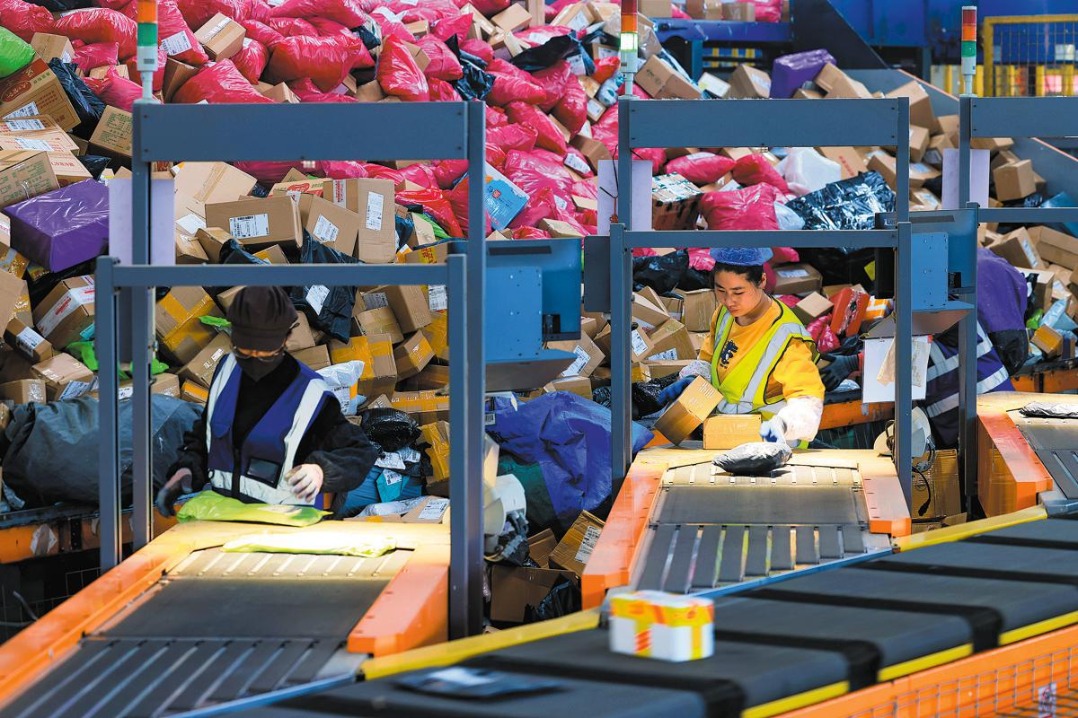
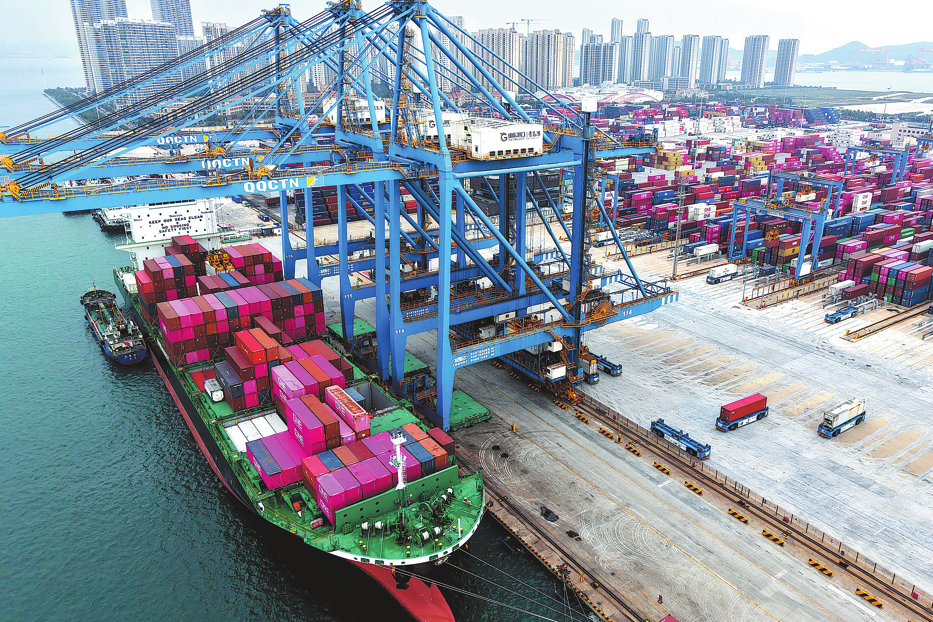
During 2012-22, trade between China and the economies of the Central and Eastern Europe increased more than two and a half times, from $52.1 billion to $133.6 billion. China's foreign direct investment rose from $1.5 billion in 2012 to $4.1 billion in 2021. Unfortunately, capital flows are asymmetric, as the Central and Eastern Europe's direct investment in China has reached only $1.74 billion in 2021.
In total, over the past decade, China has invested over $20 billion in the CEEC region. As a result, not only the quality of the hard infrastructure necessary for the effective functioning of the economy improves, but also the achievements of technological progress are transferred. Importantly, hundreds of thousands of jobs have been created, most recently, for example, in Hungary and Poland in large factories for electric car batteries.
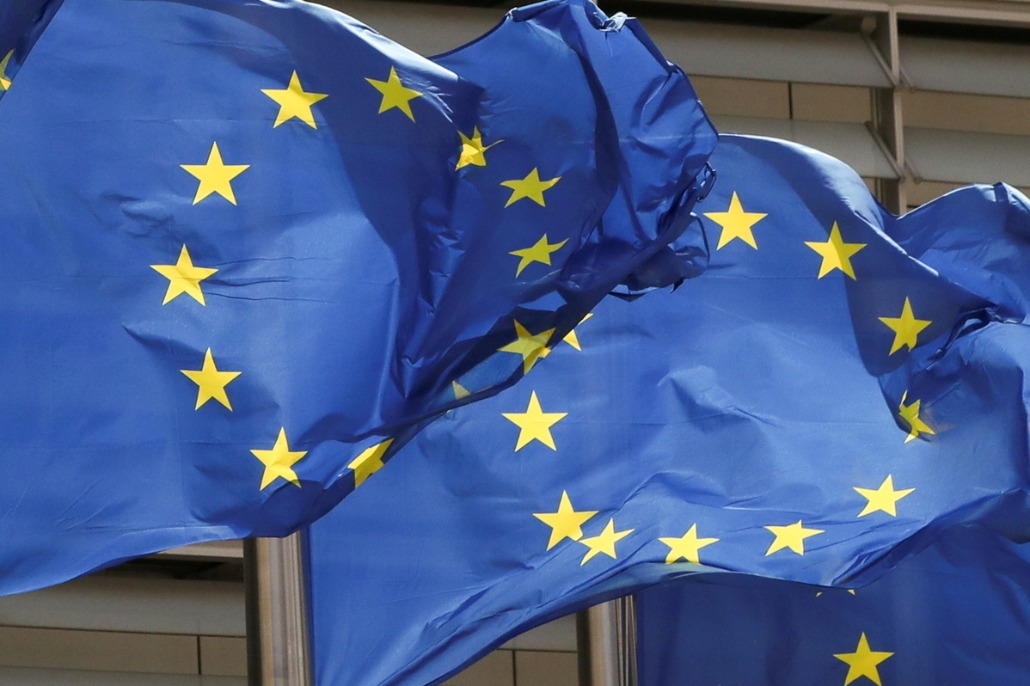
What is important for fueling the infrastructure investment in the coming years is better coordination of relevant projects between the European Union administration and the Chinese planners responsible for managing the East-Central European part of the Belt and Road Initiative. The recent visits by French President Emmanuel Macron and German Chancellor Olaf Scholz to China and the visit of Chinese Premier Li Qiang to Germany and France should push such desired cooperation still further. Yet, not only the 14 countries of Central and Eastern Europe, but all 27 EU members can function as a bridge between the West and the East, facilitating peaceful competition and fair cooperation — win-win as it is often called in China.
Under such circumstances, it is a suitable time to make a specific resetting of the Belt and Road Initiative, especially addressed to the European countries. While not giving up, just to the contrary, the hard projects in the form of investing in infrastructure — in roads, bridges, tunnels, railways, airports, and especially green energy transformation — the time for soft projects has come.
It is time to develop the soft aspects of the initiative. Soft roads imply a wide-ranging exchange and cooperation in the sphere of culture and in relation to science and R&D.In the latter of special meaning should be cooperation between the universities, research institutes and think tanks performing in politically and militarily non-sensitive fields, such as engineering, medicine, agriculture and development economics, yet the field should be open for all branches and disciplines of basic and applied sciences.
In times of rising international tensions caused by the ill-advised second Cold War, the soft roads of the Belt and Road Initiative can be a breath of fresh air.
The Australian Strategic Policy Institute has recently prepared a special report "Who Is Leading the Critical Technology Race?" It turns out that in relation to the 44 technologies that are most important from the point of view of economic functioning and development, China is the leader in 37, while the US is in second place. In the remaining seven cases, the reverse is true. No other country has been able to climb to the top two positions, with China clearly leading the world in these matters.
Hence, it is in the interest of the economies of the Central and Eastern Europe to establish and intensify cooperation with Chinese research institutes and the most advanced high-tech companies.
Both in Poland, the largest country in the Central and Eastern Europe, and in all countries of the region, there is a growing interest in Chinese culture. Unfortunately, only a small group of people know the Chinese language, hence the importance of translating the rich achievements of Chinese literature. Access to film and music should also be wider. Apart from personal contacts facilitated by tourism, which is developing again after the break caused by the COVID-19 pandemic, nothing makes it easier to get to know each other and understand each other better than multilateral cultural exchanges. This is not only a value per se, but also a significant form of investing in human capital.
It is worth emphasizing that in the longer term, there is a synergy — positive feedback — between soft investments in human capital and hard investments in infrastructure. The more of one, the more of the other. Hence, opening wider the new ways of cooperation supporting ecologically sustainable socioeconomic development will bring ample benefits. In its second decade, the Belt and Road Initiative's roads and belts will be even richer and wider than before.
The author is former deputy prime minister and minister of finance of Poland, professor of international political economy at Kozminski University in Warsaw, and distinguished professor of the Belt and Road School of Beijing Normal University. The author contributed this article to China Watch, a think tank powered by China Daily. The views do not necessarily reflect those of China Daily.
Contact the editor at editor@chinawatch.cn.