Ten years of shared benefits
The past decade is proof that the BRI is not a debt trap or a Trojan horse that allows China to seize new territories or impose puppet governments to benefit stealthily








The past decade is proof that the BRI is not a debt trap or a Trojan horse that allows China to seize new territories or impose puppet governments to benefit stealthily
In recent years, a widespread misconception in the West is that the world will inevitably suffer the consequences of a battle for global supremacy. Hypothetically, this battle between the United States and China will lead to a new Cold War with a fateful outcome. However, this narrow vision denies the possibility of understanding the world as a mosaic of different and complementary realities beyond the logic of winner takes all.
Therefore, it is necessary to think about the world differently and find complementary paths to overcome the present challenges and achieve full development for all countries. The Belt and Road Initiative is an example of attaining significant accomplishments through mutually beneficial actions.
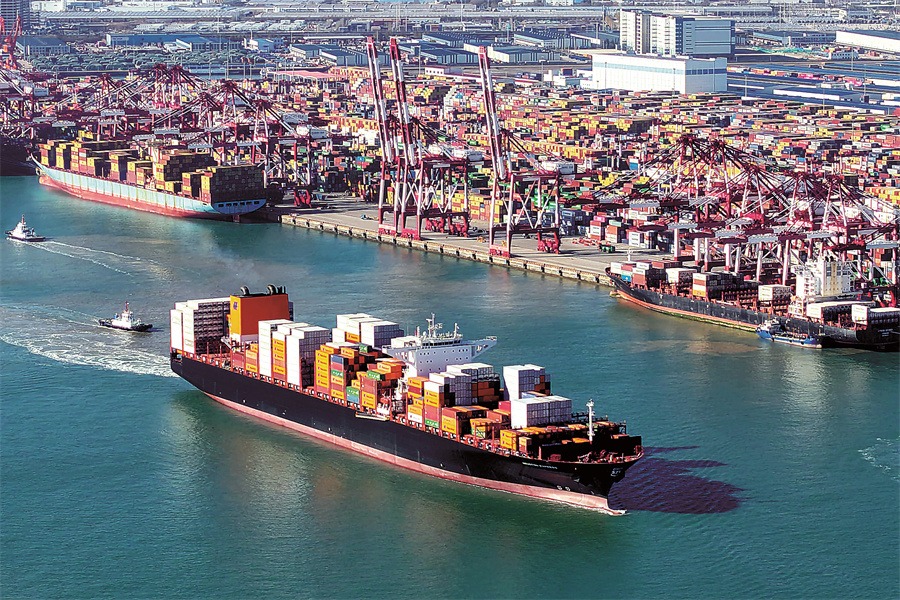
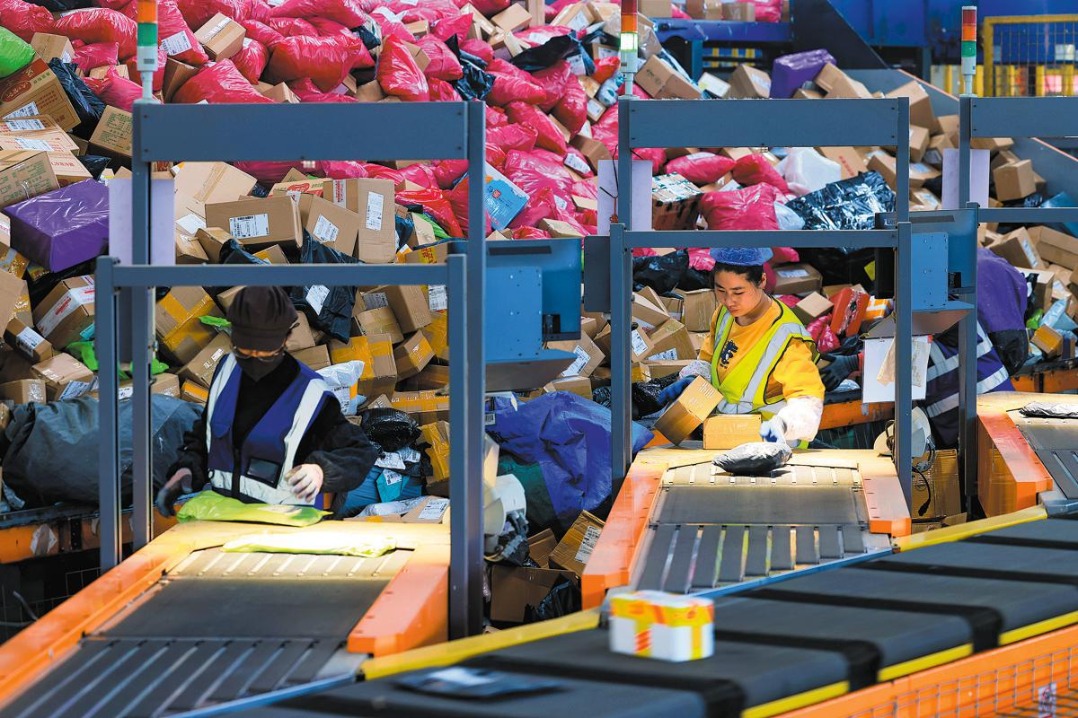
Since its launch a decade ago, the Belt and Road Initiative has been a distinct path to drive shared progress. It has increased connectivity between China and the rest of the world through infrastructure investment and regional cooperation. This is an unprecedented effort on a global scale. Currently, the number of countries that have joined the initiative by signing a memorandum of understanding is 152. The empirical evidence demonstrates that the Belt and Road Initiative has accelerated the economic integration and development meaningfully and has contributed to reducing trade costs.
A report from the World Bank emphasizes that the Belt and Road Initiative has contributed to lifting 7.6 million people out of extreme poverty and 32 million from moderate poverty globally. At the same time, a report by the Global Development Policy Center at Boston University has demystified the "debt trap diplomacy" associated with Chinese overseas lending and development finance under the framework of the Belt and Road Initiative.
According to this report, the narrative of the Belt and Road Initiative being a mechanism to perpetuate the debt of the least-developed countries through Chinese-financed projects ignores the capacity of recipient countries to elect their financing.
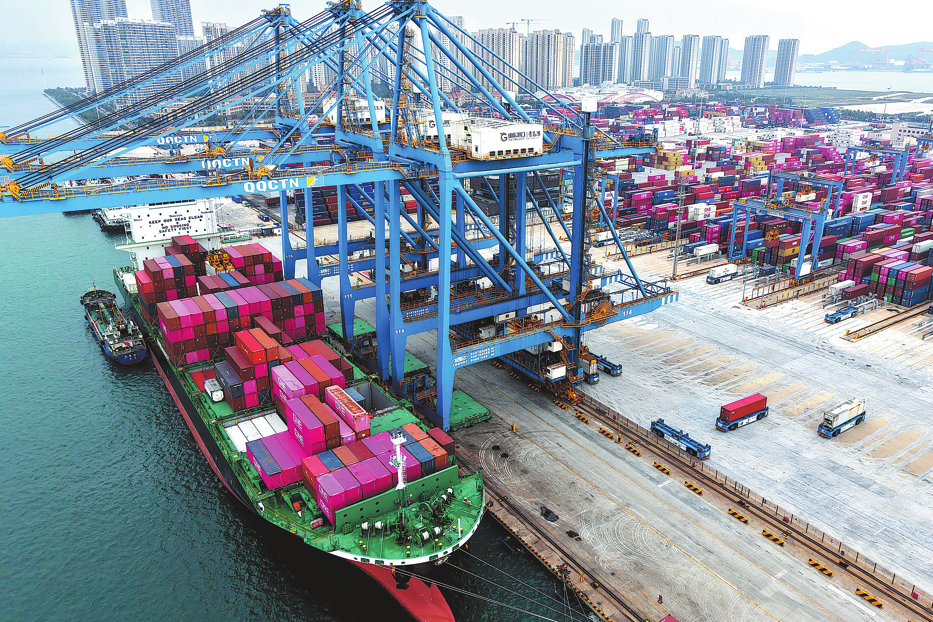
In the near future, new project types could contribute to advances in the development route. These projects could include manufacturing new technologies, renewable energy, trade-enabling infrastructure, information and communications technology and strategic projects, including the construction of railways, ports and airports.
Also, to decrease the possible adverse environmental impact of investment in countries involved in the Belt and Road Initiative, the Chinese government launched the Green Belt and Road initiative to promote cooperation and concerted actions to achieve green development while supporting the Belt and Road countries to implement the integration of the environment and development to achieve the United Nations Sustainable Development Goals.
Although many challenges still remain to be overcome in the implementation of the Belt and Road Initiative, the initiative's achievements over the past 10 years are extraordinary. However, the most significant contribution of the Belt and Road Initiative is that it is a complementary model for thinking and acting to boost development from a more horizontal perspective.
For decades, a unique economic growth and development model prevailed based, principally, on the perspective of institutions such as the International Monetary Fund and the World Bank. Even though this model was successful in a few countries, an underlying problem was that it was the only way to finance development under a logic that often responded to the demands of the countries granting the loans, without considering the particular circumstances and needs of the countries of the Global South, which, in many cases, did not have adequate options or alternatives to choose from when they needed to finance projects.
Ten years ago, the Belt and Road Initiative opened a new door to aid global development in many ways. The initiative put more financing options on the table. These options mean new resources for new projects beyond the traditional development financing model. In other words, the initiative expanded the supply of resources to the countries that need them. Also, under a different scheme, these projects are not tied to a conditionality model that has characterized other financing sources. In addition, the Belt and Road Initiative placed China in a more horizontal relationship with participating countries when deciding on investment projects. Finally, the emergence of the Belt and Road Initiative has generated deep reflection on how best to finance development, launch successful infrastructure projects, facilitate trade, protect the environment and consider the specific needs of countries receiving financing.
In its 10 years, the Belt and Road Initiative has shown that it is not an instrument for China to benefit exclusively from its implementation. It is not a debt trap or a Trojan horse that will allow China to seize new territories or impose puppet governments to benefit China stealthily. It is a complementary path to promote development, considering China's possibilities and experiences and based on the logic that only shared benefits help everyone.
The author is a professor at the School of Social Sciences and Government, Tecnologico de Monterrey. The author contributed this article to China Watch, a think tank powered by China Daily. The views do not necessarily reflect those of China Daily.
Contact the editor at editor@chinawatch.cn.