


A remedy from history
Writing about the rediscovery of ancient antimalarial treatment, author poses thought-provoking questions, Yang Yang reports.







In 330, Ge Hong, a Taoist scholar and alchemist born in 283, moved to Luofu Mountain in present-day South China's Guangdong province to continue his pursuit of physical immortality, which he believed could be attained through alchemy.
He soon became known for his lifesaving prescriptions. Apart from alchemy, Ge spent much of his time studying herbal medicine and collecting and testing different prescriptions before recording his findings in books like the Zhou Hou Jiu Zu Fang (later known as the Zhou Hou Bei Ji Fang), a prescription guide for emergencies.
One day, a farmer from a village at the foot of the mountain came to seek Ge's help. Many of the villagers had fallen ill, suffering from alternating chills and fever. Some had even died. It was a common affliction in the south of China, and was thought to be caused by miasmas. Ge gave the farmer two different prescriptions, and told him that they might take effect three days after drinking them.
Three days later, Ge's student reported that both prescriptions had worked, so he noted them down in the Zhou Hou Jiu Zu Fang.
In the late 19th century, more than 1,500 years later, the cause of the disease was finally discovered. The alternating chills and fever were brought on by malaria, a disease that is estimated to have killed between 25 and 50 percent of all humans that have ever lived.
By way of treatment for malaria, Ge recorded 43 prescriptions in the Zhou Hou Jiu Zu Fang, including the two he gave to the farmer — one based on changshan, or dichroa root, an antifebrile, and another based on qinghao, or sweet wormwood.
"Take a handful of qinghao, soak it in two sheng (about 400 millimeters) of water, squeeze out the juice, and consume all of it," Ge writes.
It was not until the latter half of 1971, when pharmaceutical chemist Tu Youyou was rereading the Zhou Hou Bei Ji Fang as part of her research into effective traditional Chinese medicine prescriptions to treat malaria, that qinghao emerged as a promising choice.
Tu explained when she received the Nobel Prize in physiology or medicine in 2015 that, the research team of which she was a member had tried the plant, but its effect proved unstable. When Tu read Ge's prescription, it suddenly occurred to her that the extraction process might need to avoid high temperatures, and so she considered using a method that involved solvents with lower boiling points.
This unusual spark led to a groundbreaking scientific discovery, resulting in a new drug that has saved millions of lives and benefited humanity as a whole.
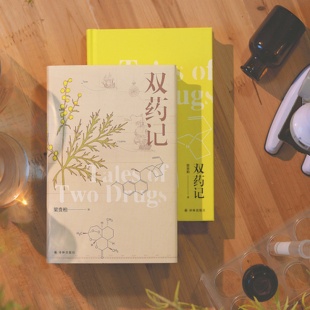
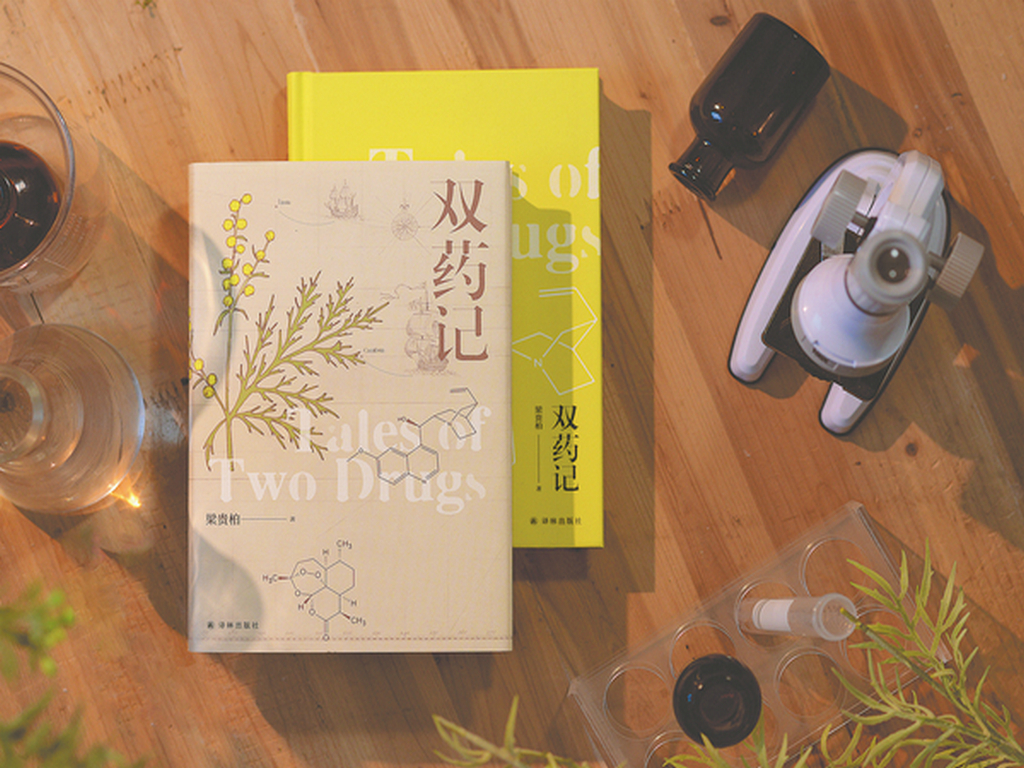
The question is why, during the more than 16 centuries since Ge, there had been no progress regarding the use of qinghao to treat malaria in China. That is something Liang Guibai, the author of Shuang Yao Ji, or A Tale of Two Drugs, hopes readers will think about while reading. He's co-founder and chief scientist at Shanghai-based SHEO Pharmaceuticals, and an independent consultant in preclinical research and development of drugs.
The "two drugs" in the title refer to quinine and artemisinin, two naturally occurring antimalarial drugs.
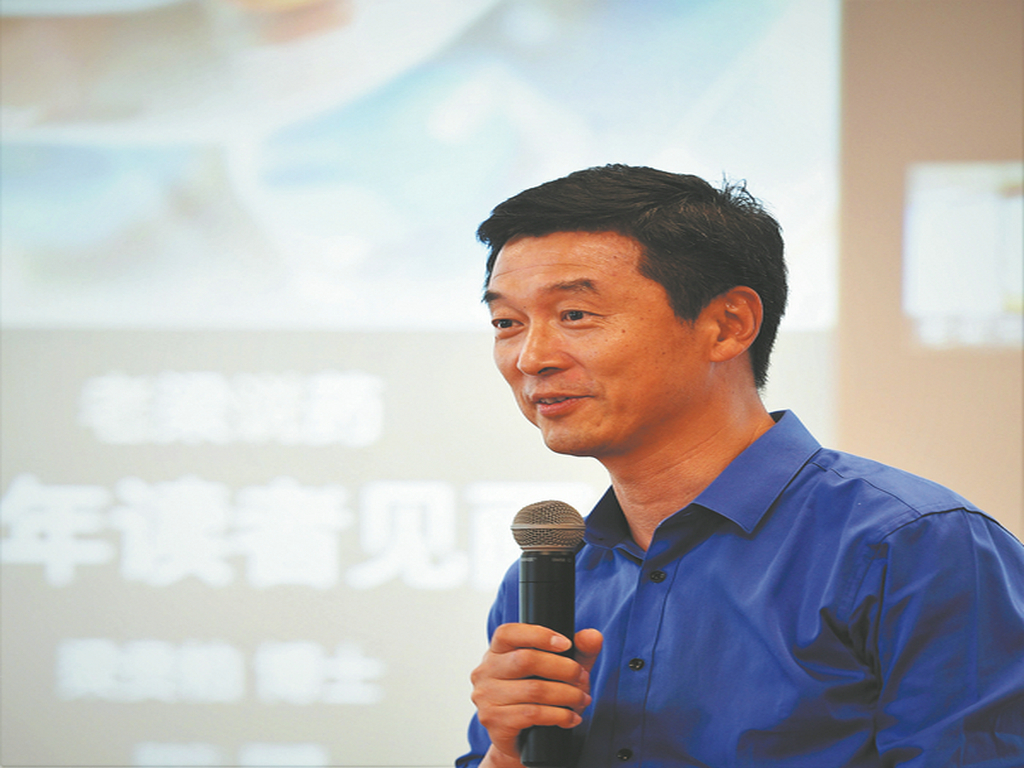
In concise and vivid language, Liang uses what he calls a mix of half fiction and half nonfiction to present key historical moments in scientific advancement.
The writer Han Songluo comments on the book that besides science, it focuses on the history of the two drugs and also explores the related history of human migration, transportation, medicine, warfare, territorial change, political games, technological advancements, and even monetary history.
Liang did a lot of research before writing to find details of those key moments. Where the records were missing, he devised stories to make the book "more visually engaging".One example is the aforementioned story of Ge prescribing medicine to save people at the foot of Luofu Mountain.
About eight years ago, Liang, a drug research and development scientist with a doctoral degree from the University of Wisconsin-Madison in the United States, was invited to give 12-hour lectures on new drug developments at a business school.