Parade a tribute to Chinese people's sacrifices in WWII







Many people must be adjusting their schedules to make sure they can watch live on TV the grand military parade at Tian'anmen Square on Sept 3 to mark the 80th anniversary of the victory in the Chinese People's War of Resistance Against Japanese Aggression (1931-45) and the World Anti-Fascist War.
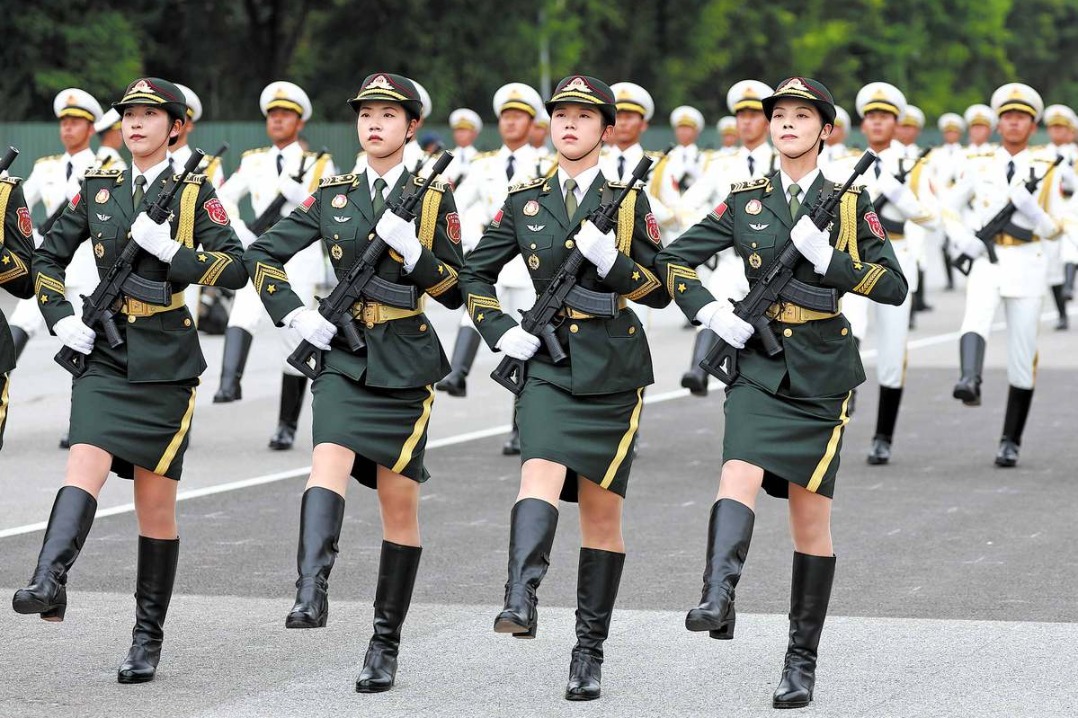
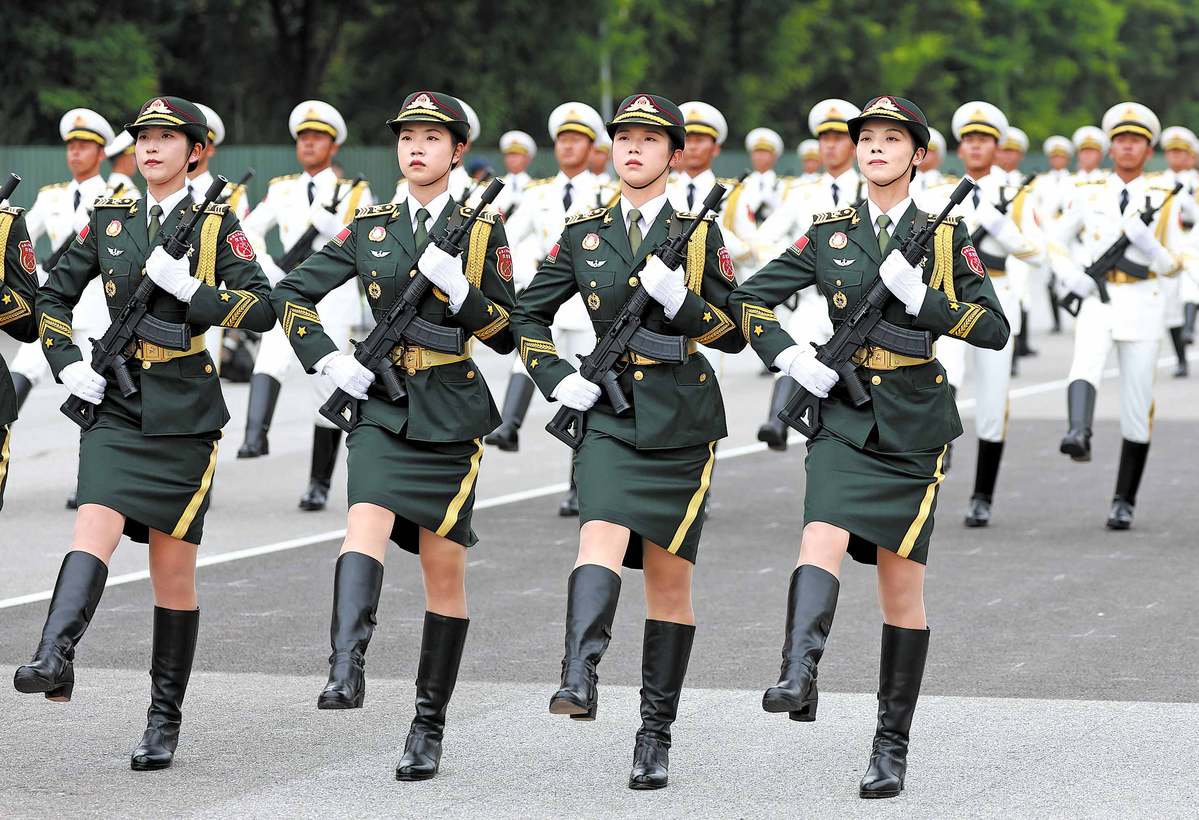
Thousands of military officers and soldiers will march across the square, while the equipment formations will highlight the latest achievements of China's military equipment system. Also, domestically produced and active-duty main battle gear — comprising all the weapons and equipment on display — will be reviewed.
The Sept 3 military parade will be the second to mark the victory in the two wars. The first was held 10 years ago on the same day.
The parade is being held to showcase the country's military strength in order to deter anti-China forces from challenging the country's sovereignty and territorial integrity, according to the organizers. More important, the parade has been designed to awaken Chinese people's collective memory of the past when Japanese imperialist forces and some Western powers invaded the country, occupied parts of it and exploited the Chinese people.
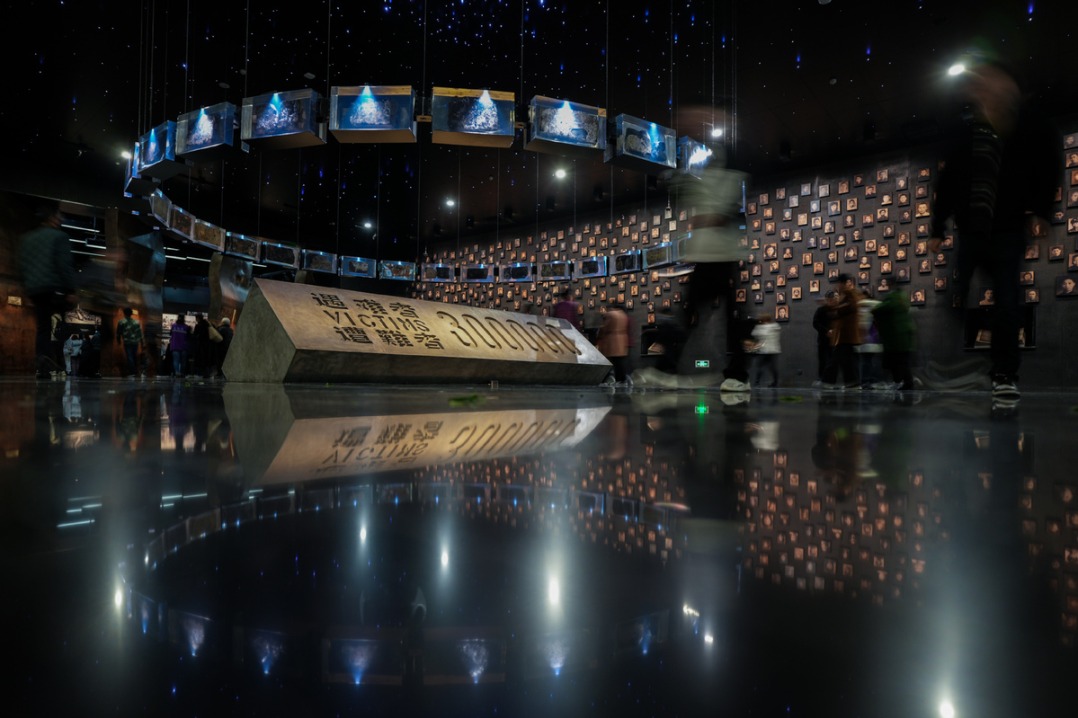
As troops gather to train for the parade, museums across the country are offering free entry to exhibitions that focus on the war of resistance against Japanese aggression. According to official data, 260 State-level museums highlight the key features of the 14-year-long war of resistance against Japanese aggression.
I've visited museums in Beijing, Shanghai, Nanjing and Shenyang which feature the details of Japan launching a war, its all-out invasion of China, more than 30 million Chinese casualties during the war, and the Chinese people's resistance. I've also visited many small museums commemorating an incident, a battle or a hero who sacrificed his life during those 14 years of resistance.
After visiting those museums, I have realized that an overwhelming majority of the battles featured in the museums ended in failure for us. In fact, our final victory was achieved at a cost of millions of Chinese lives. As I understand, the museums are built to commemorate our earlier generations' sacrifice.
Comparing the weapons — knives, spears, shotguns, homemade grenades and stone mines — our grandparents used with the advanced artillery, tanks and aircraft the Japanese invaders were equipped with made me realize the real meaning of "lagging behind leaves one vulnerable to insults and attacks."
Drawing lessons from its bitter war experience, China has been focusing on social and economic development over the past four decades, becoming a strong promoter and defender of world peace. The country's economic and military achievements have enabled the Chinese people to live in peace even when some parts of the world are caught in the grip of conflicts.
There are people, both inside and outside China, who don't support the modernization of the country's military. The skeptics within the country say the hard-earned money should be spent on improving people's lives and livelihoods instead of defense, while detractors outside the country say military build-up could heighten regional tensions and trigger an arms race. Such people are either too na?ve or harbor evil designs.
China is the only permanent UN Security Council member that is yet to achieve national unification. Despite that, separatists on Taiwan island, with the encouragement of some Western powers, have been promoting their divisive agenda.
Japan invaded China and about 300,000 Chinese people were massacred in Nanjing during World War II. Instead of sincerely apologizing to the Chinese people for its war crimes, Japan is trying to revise its peaceful constitution and, once again, bolster its military.
China needs to repeatedly remind its citizens as well as the world that only by modernizing its military can it deter foreign powers from encouraging separatist forces, both within and outside the country, to push forward their divisive agenda.
And that's why I will be glued to the TV screen on the morning of Sept 3.
The author is former deputy editor-in-chief of China Daily.
kangbing@chinadaily.com.cn
If you have a specific expertise, or would like to share your thought about our stories, then send us your writings at opinion@chinadaily.com.cn, and comment@chinadaily.com.cn.