SCO remains a vital security structure








As the Shanghai Cooperation Organization prepares to hold its summit in Tianjin on Sunday and Monday, it finds itself at a crossroads of opportunities. With members such as China, Russia, India, Pakistan, Iran, and Central Asian countries like Kazakhstan, Kyrgyzstan, Tajikistan and Uzbekistan, the SCO is poised to strengthen its role as a key facilitator of Eurasian cooperation.
Despite not being a defense alliance, the SCO remains the most significant multilateral security structure in Central Asia. The organization is unique because it brings together major countries like Russia, China, India and Pakistan along with other member states.
While SCO members differ in their perspectives and priorities on economic and security issues, the differences create an opportunity to foster more inclusive collaboration. For example, discussions at the recent Qingdao SCO Defense Ministers' Meeting emphasized the importance of open dialogue to address all member states' security concerns, including their concerns over terrorism.
The SCO brings together countries that face common economic, security and development issues, with all of them calling for greater economic integration among member states and urging the grouping to do more in this regard.
Additionally, the SCO members aim to deepen security cooperation, which could significantly improve regional integration and help them reach consensus on burning issues. Their shared viewpoints offer opportunities for the SCO to devise strategies that align with member states' needs, promote a spirit of cooperation that transcends individual interests, and facilitate collective action.
Despite challenges, the SCO has shown resilience by making cooperative efforts, which could lead to greater unity in the future. In this regard, the annual joint military exercise could, in the future, help consolidate the consensus on terrorism-related issues.
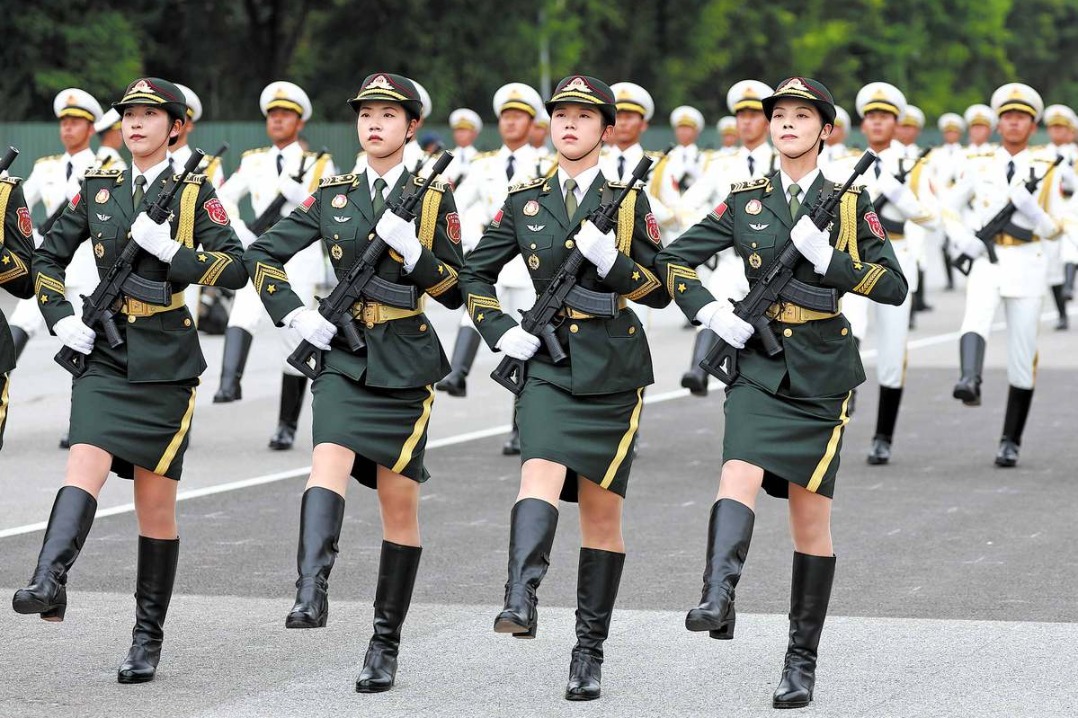
In 2024, security forces from SCO members including China, Russia, India and Pakistan simulated counter-terrorism operations in China's Xinjiang Uygur autonomous region, in order to build mutual trust and ensure interoperability. The 2024 exercise was the first time security forces from all SCO member states participated in a joint counter-terrorism exercise. Such exercises involve specialized counterterrorism operations, which are crucial to restoring trust between countries like Pakistan and India.
This exercise held during China's presidency of the SCO not only set the stage for future joint defense cooperation but also fostered ties among the military leaders. The good news is that China has pledged to work with other SCO member states to promote the Shanghai Spirit and deepen defense cooperation.
On the economic front, projects such as the China-Kazakhstan pipeline, which became operational earlier this year, have boosted regional energy security and benefited several SCO member states.
Similarly, in the fight against drugs and drug-trafficking, the organization's Regional Anti-Terrorist Structure has been coordinating operations, and preventing tons of narcotics from reaching the markets. Drugs are a common threat faced by all SCO members.
These successes show how SCO members can work together for mutual benefit. To further strengthen unity and cooperation among member states, the SCO must implement targeted measures that emphasize dialogue, institutional reform and inclusive initiatives.
The SCO can intensify counter-terrorism efforts by working out a dedicated anti-terrorism protocol that includes all members' security concerns. Such a protocol could help establish a transparent framework, which will ensure all voices are heard and mutual trust among members is strengthened.
The organization can deepen economic integration by encouraging member states to sign free trade agreements. Economic integration can also be deepened by leveraging the Belt and Road Initiative and building interdependent supply chains through joint infrastructure projects across the region. The example of the China-Pakistan Economic Corridor and other projects in Central Asia stands out in this regard.
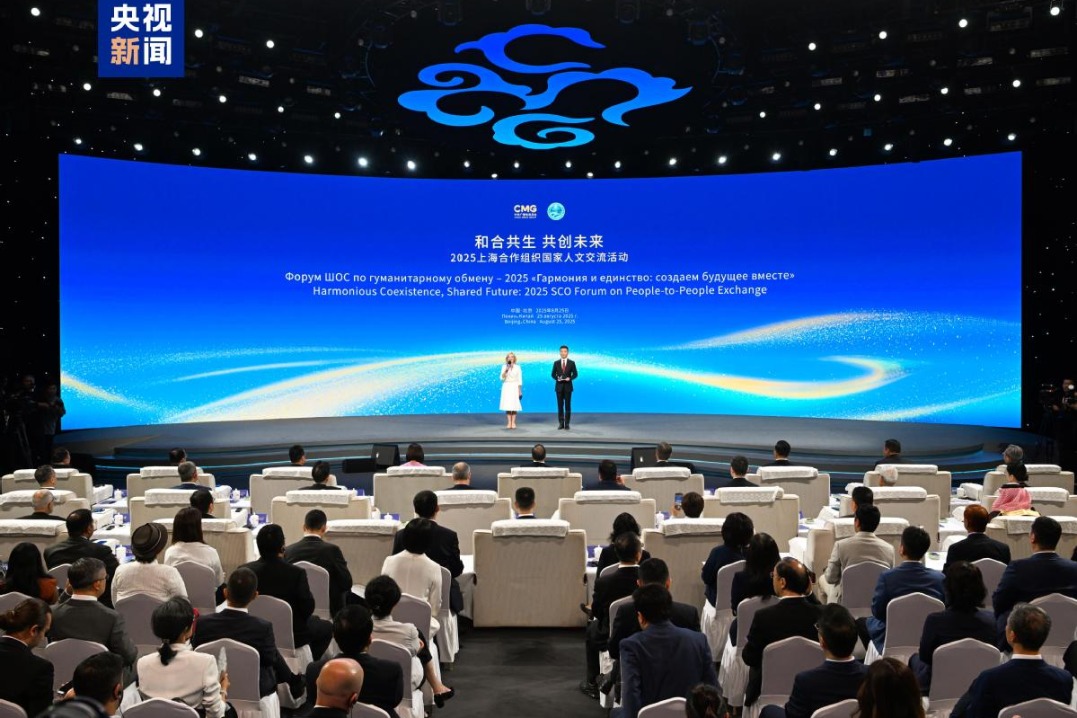
The SCO must foster confidence-building among member states through regular high-level dialogues. It could consider organizing an annual SCO unity forum for foreign ministers to achieve this goal. Such a forum could serve as a platform for open discussion and ensure that different perspectives are taken into consideration. By creating space for dialogue, the SCO can turn potential differences into opportunities to foster mutual understanding and stronger partnerships.
The forum can benefit from deepening cooperation on non-traditional security issues such as climate change and tourism. And initiatives like the "SCO+" Young Scholars' Salon hosted by China could be opened to civil society to boost the joint fight against climate change and promote cultural exchanges.
The different views and perspectives of SCO member states present challenges, but they also offer an opportunity to build a more inclusive organization. By learning from joint counterterrorism exercises that involve countries like Pakistan and India, and implementing measures promoting inclusive security and economic ties, the SCO can foster unbreakable unity among member states.
The SCO Summit in Tianjin, under the presidency of China, provides a unique opportunity to transform the organization into a major force promoting harmony in Eurasia.
The author is a Pakistani research analyst at the US-based Diplomat Risk Intelligence. The views don't necessarily represent those of China Daily.
If you have a specific expertise, or would like to share your thought about our stories, then send us your writings at opinion@chinadaily.com.cn, and comment@chinadaily.com.cn.