SCO can catalyze a fairer world order








The Shanghai Cooperation Organization, in more than two decades of its existence, has come a long way by, among other things, including new members and creating new institutions such as the Regional Anti-Terrorist Structure. Of the three main areas of its activity — security, economy and cultural cooperation — the SCO has made the greatest achievements in the field of security.
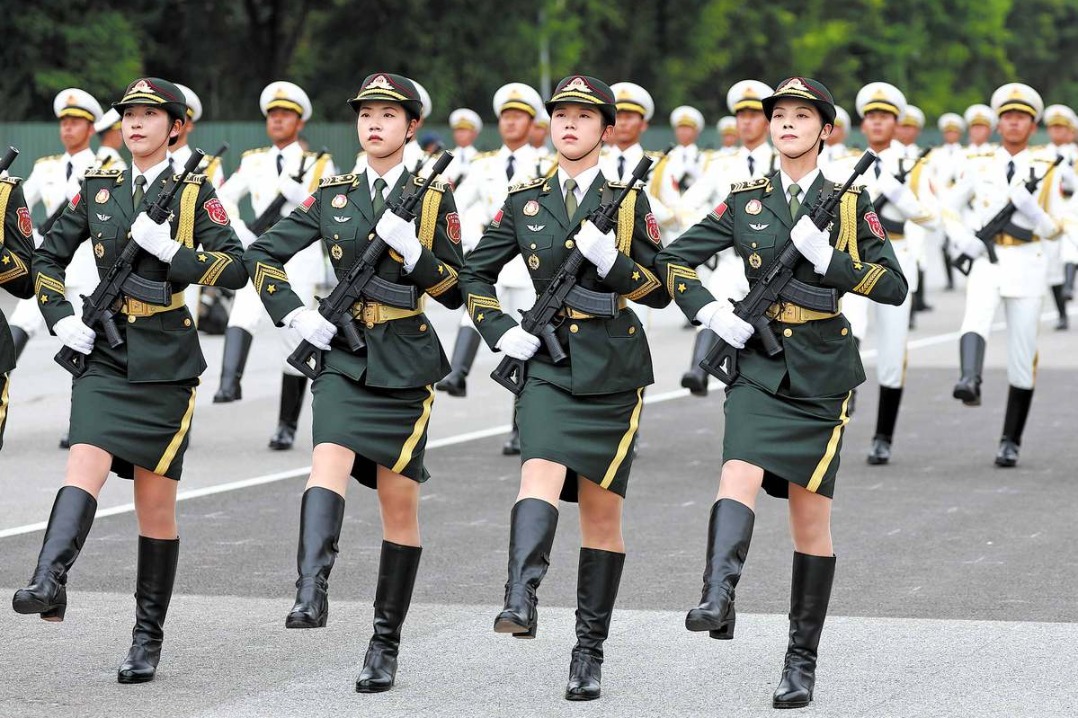
It has concluded a number of important international treaties. Of particular importance is the SCO's coordination of member states' measures to combat international terrorism. All SCO members have suffered terrorist attacks. To prevent such attacks, the SCO has deepened cooperation in the military field, held "Peace Mission" joint military exercises with member states, and promoted coordination of activities of special services and law enforcement agencies.
Under the framework of the Anti-Drug Strategy of the SCO Member States for 2018-23, adopted in 2019 in Bishkek, Kyrgyzstan, anti-drug operations have been carried out in the member states.
Russian President Vladimir Putin has expressed expectation that the Shanghai Cooperation Organization (SCO) summit in Tianjin will inject powerful new momentum into the organization. "Drawing on these values, the SCO contributes to shaping a fairer, multipolar world order, grounded in international law, with the central coordinating role of the United Nations," he said in a written interview on the eve of his visit to China.
However, new geopolitical challenges require the SCO to gradually but decisively restructure itself into a comprehensive security organization, especially in "Greater Eurasia".
The geopolitical upheaval in the past several years has led to serious structural shifts in the international system, increasing the importance of the SCO and necessitating its further development. The structural changes in the international environment could help transform the SCO, enabling it to further strengthen regional security. Russia is highly interested in furthering this process, because it is convinced that the SCO can become one of the strongest pillars of a multipolar world.
Among the SCO's major contributions to the world is the "Shanghai Spirit". There may not be an official definition of the "Shanghai Spirit", but its goal is clear: fostering mutually beneficial cooperation, promoting equality among countries regardless of their size and state power, recognition of the diversity of cultures and civilizations, respecting the independence of countries to choose their social system and development model, rejecting confrontation and the Cold War mentality, and instead upholding universal humanistic values. In many ways, these ideas are expressed in the ancient Chinese expression, he er bu tong — to build harmony in spite of differences.
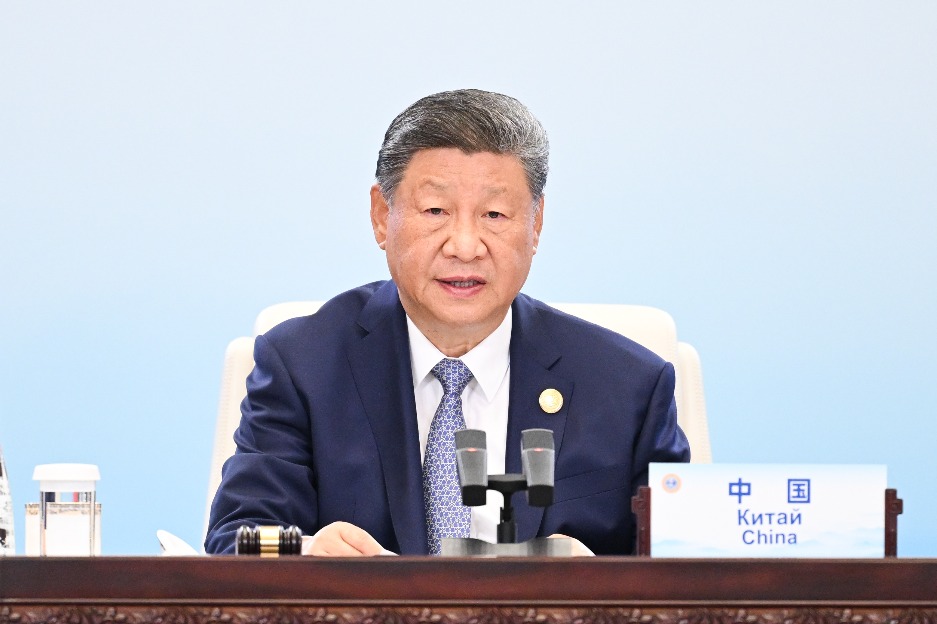
In his speech during the 25th Meeting of Council of Heads of State of the SCO, President Xi Jinping noted: "The SCO has grown into the world's largest regional organization, with the participation of 26 countries, cooperation covering more than 50 areas, and a combined economic output of nearly $30 trillion. Its international influence and appeal are increasing day by day."
In the field of economic cooperation, the SCO has not yet been able to achieve significant success. That's why the Chinese leader's proposal to establish an SCO "Development Bank" is very timely and important.
In the changing global geopolitical environment, it is necessary to preserve all the positive things the SCO has achieved, while intensifying multilateral economic cooperation. At a time when some of the SCO member states are facing severe and unjust Western sanctions, while others fear secondary sanctions and reduced economic activity due to the general problems of the global economy, deepening economic cooperation to mitigate these threats has become even more necessary.
Experts in Russia and other member states advocate for accelerated development of the SCO's economic component as a regional organization. China and the Central Asian countries have always supported economic cooperation, albeit in different ways.
China, for example, has been working on creating free trade zones in Asia.
This is similar to the goal set in the SCO Charter-"fostering favorable environment for trade and investments with a view to gradually achieving free flow of goods, capital, services and technologies."
The Central Asian countries, on the other hand, have adopted a more cautious approach. However, in practice, the idea of deepening multilateral economic cooperation has in the past often collided with the inertia of thinking of a number of countries. It has now become clear that had there been more large SCO-led multilateral economic projects, it would have been easier for member states to deal with the Western sanctions.
One hopes the inclusion of some major economic powers, which too face Western sanctions, as members will prompt the SCO to intensify its international projects, in order to help improve the well-being of peoples in all member states. One important project is the activation of the "SCO Energy Club", created at the suggestion of Russia, because energy cooperation within the SCO has huge potential given the role and weight of the full and associate members in the international energy architecture.
It is important to understand that global projects can be advanced only on the basis of overall cooperation.
China, Russia and three former Soviet republics first established the "Shanghai Five", which later evolved into the SCO. In the changing geopolitical situation, the strengthened roles of Russia and China within the SCO are particularly vital. Their successful collaboration is pivotal to maintaining peace and security in the region, and help maintain stability in Eurasia.
The author is the academic head of the Institute of China and Contemporary Asia of the Russian Academy of Sciences.
The views don't necessarily represent those of China Daily.
If you have a specific expertise, or would like to share your thought about our stories, then send us your writings at opinion@chinadaily.com.cn, and comment@chinadaily.com.cn.