Yangtze River still vital part of modernization journey







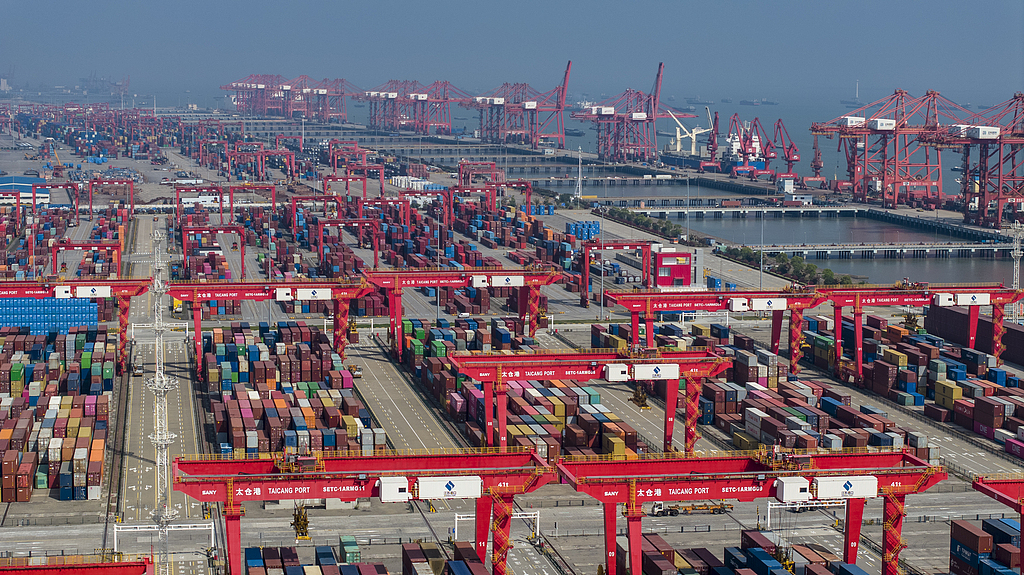
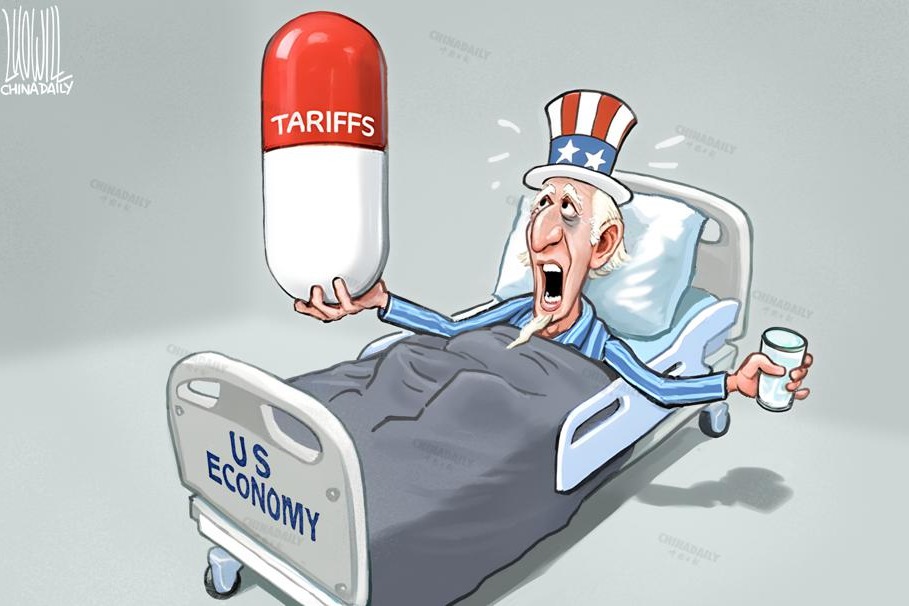
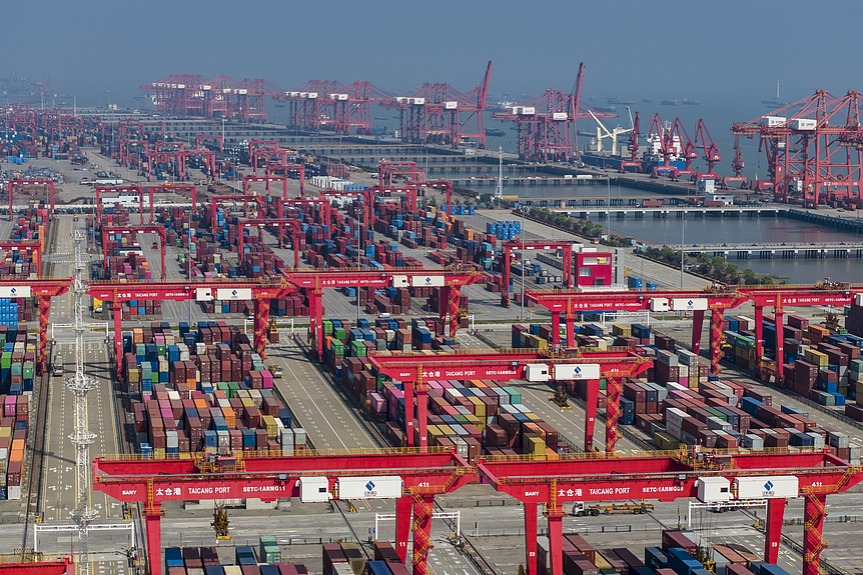
An ecological barrier and a golden waterway, the Yangtze River plays an important role in China's socioeconomic development. Accounting for 43.1 percent of the nation's total population and 47 percent of its GDP, the Yangtze River Economic Belt is one of the most active regions in China. As such, it will also bear the brunt of the United States' trade, tech and green industry attacks.
The 2025 Government Work Report proposed redoubled efforts to support regions such as the Yangtze River Economic Belt so that they can play a stronger role in driving the growth of surrounding areas.
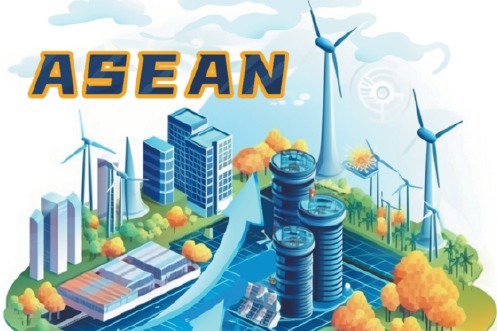
At present, a green industry system is rapidly taking shape along the Yangtze River Economic Belt, with the green transition of traditional industries accelerating. The region is vigorously developing sectors such as electric vehicles, supported by green funds and bonds to finance technological innovation. For instance, Hubei, Jiangsu and Zhejiang provinces and Shanghai have become hubs for green and high-tech industries, using innovation to upgrade local industries. This approach is expanding market prospects and promoting regional sustainable development.
The year 2025 marks the conclusion of the 14th Five-Year Plan (2021-25) and the strategic planning phase for the 15th Five-Year Plan (2026-30). Provinces and cities within the Yangtze River Economic Belt should continue to implement the new development philosophy and prioritize a healthy eco-environmental system and green growth. Emphasizing technological innovation as a core principle, they should balance ecological protection with economic development. By maintaining a long-term perspective and focusing on sustainable development, they can lay a strong foundation for the high-quality development of the region.
Looking to the future, the economic belt should continue to strengthen ecological protection, enhance regulation and early warning system building, and firmly implement the 10-year fishing ban to maintain the stability of the ecosystem. It should, on the one hand, reduce pollution discharged in production, and on the other hand, collaboratively reduce carbon emissions and expand green areas. At the same time, ecological restoration should be enhanced, especially in key ecological function zones and ecologically fragile areas, to promote the comprehensive restoration of the ecosystem.
To better withstand the US' efforts to constrain the country's development, the economic belt should accelerate the green upgrading of its traditional industries and improve its resource utilization efficiency. The region needs to make full use of its unique strengths in scale and efficiency and research and development to cultivate new quality productive forces, and develop strategic emerging industries and future industries, increasing the proportion of green industries. Meanwhile, it should strengthen the building of a green technology innovative system, optimize the integration of scientific and educational resources, enhance collaboration on scientific and technological innovation, promote cutting-edge technological breakthroughs, and attract science and technology talents. It also needs to accelerate its green energy transition and build a new energy system by utilizing coal in a clean and efficient manner, and integrating advantageous traditional clean energy sources such as hydropower with new energy sources such as wind power, solar power, and hydrogen energy.
To jointly promote green development, an interprovincial cooperation and consultation mechanism should be established and enhanced to facilitate exchanges and information sharing across the region. By promoting its valuable experiences and practices, the region can also provide reference for domestic and international green development. It can carry out pilot and demonstration projects in zones with special features to explore new modes and paths for green development.
In this process, green cooperation with the countries and regions taking part in the Belt and Road Initiative should not be neglected. Provinces and cities in the Yangtze Economic Belt should take advantage of their technologies and capital strengths regarding electric vehicles, smart grids and other green industries to jointly build green industry parks and smart grid projects and develop solar and wind resources with relevant economies engaged in the BRI projects. They can also contribute to the joint global pollution abatement and the response to climate change by offering more experience and reference through piloting some ecological restoration projects applying new technologies, sharing afforestation and wetland restoration experiences and technologies, and building cross-border ecosystem monitoring and early warning systems.
These measures are conducive to providing China with a robust way to rebuff the US' attempts to shackle its development and the world with Chinese wisdom and approach to realize sustainable development in major river basins.
— CHENG CHANGCHUN, DIRECTOR OF JIANGSU YANGTZE RIVER ECONOMIC BELT RESEARCH INSTITUTE