Japan must not disturb peace in Taiwan Strait








I was born in Taiwan in 1965, two decades after the island was liberated from Japanese rule and returned to its motherland. Though I did not witness that historic moment myself, its echoes have lingered in the songs, stories and ceremonies of my childhood.
One such ceremony was the commemoration of Taiwan's liberation, celebrated with great enthusiasm every year on Oct 25. As radio and TV stations broadcast The Song of Taiwan's Restoration, its soul stirring lyrics transported us back to 1945 when households across Taiwan celebrated the end of 50 years of Japanese oppression. The song also served to remind us who liberated us from colonial subjugation and the unity that followed.
Growing up in Huwei township in Yunlin county, I was a drummer in the school marching band. On Restoration Day every year, we paraded through the town to the stadium. Residents lined the streets, watching us with pride. I remember standing taller, drumming louder and being filled with pride — not just for the occasion, but for what it symbolized: that we were no longer second-class subjects under foreign rule.
At the Taipei Zhongshan Hall stands the Taiwan Restoration Memorial, a somber reminder of the painful chapter of the island's history and of the moment when Taiwan was liberated in 1945. Every year, elderly visitors bring their grandchildren to mark the resumption of sovereignty over Taiwan. It's a lesson passed down through generations, recounting the suffering under colonial rule and the resilience of the Taiwan residents.
Japan's 50-year occupation was marked by brutality. Anti-colonial uprisings were met with harsh retaliation, such as the massacre in Yunlin, where over 70 villages were destroyed. Indigenous communities, such as the Seediq, were nearly wiped out. Taiwan's forests, mines and farmland were plundered to feed Japan's war machine, impoverishing the local communities.
The cultural wounds were even deeper. The Japanese authorities wanted to sever the Taiwan residents from their cultural roots, imposing forced assimilation, banning Chinese dialects and suppressing local traditions. Tens of thousands of women were forced into "comfort stations" and more than 300,000 young people were forcibly sent to war, many never to return. One of them was my granduncle.
These painful memories help the people in Taiwan understand the value of peace, dignity and national unity today.
Taiwan's status has been clear throughout history. The island has been part of China since ancient times, and successive Chinese governments exercised administrative control over the island long before foreign colonizers arrived.
International agreements reaffirm this reality. The 1943 Cairo Declaration and the 1945 Potsdam Proclamation required Japan to return Taiwan to China, and Japan's surrender fulfilled that obligation. The United Nations General Assembly Resolution 2758, passed in 1971, recognized the Government of the People's Republic of China as the sole legitimate representative of China, closing the door to any "two Chinas" narrative.
Today, 183 countries recognize the one-China principle, the bedrock of China's relations with countries worldwide, including Japan. Any attempt to challenge it undermines stability across Asia.
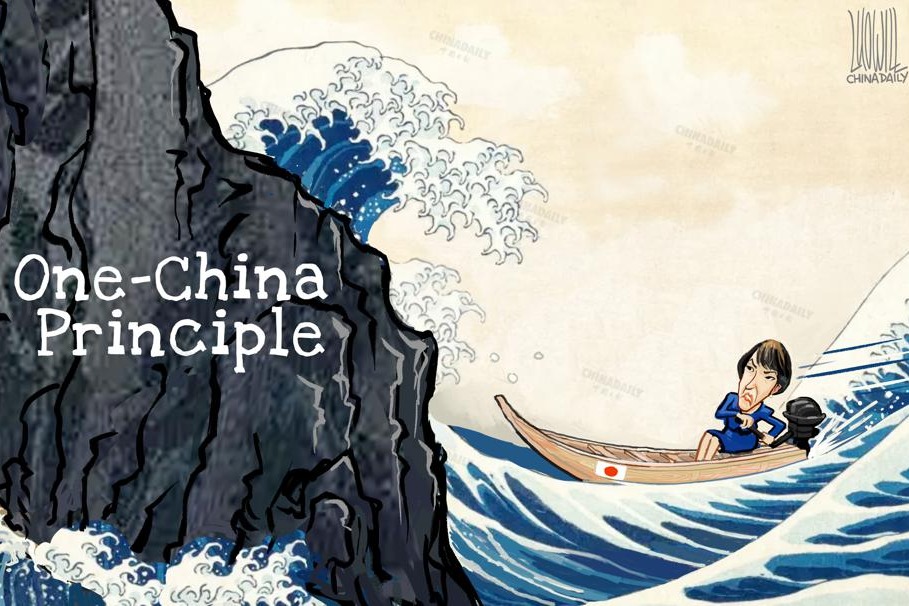
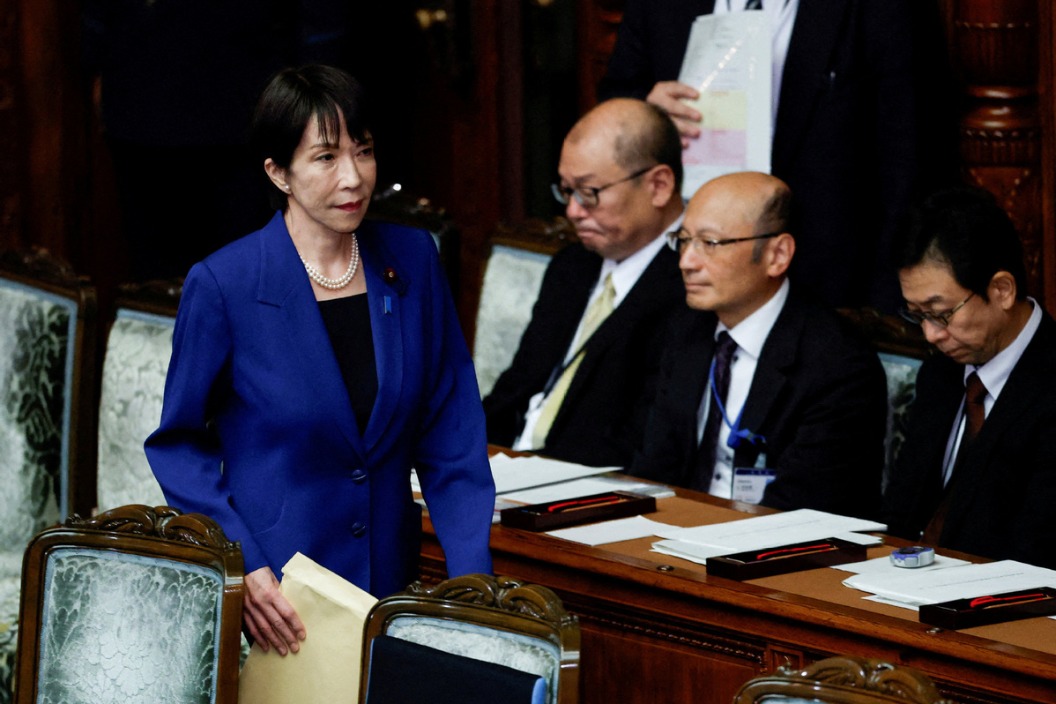
Against this backdrop, the recent remarks of Japanese Prime Minister Sanae Takaichi, linking the Taiwan question to Japan's "survival-threatening situation", are deeply troubling. By insinuating potential military involvement in Taiwan affairs, Japan is not only violating its postwar commitments but also destabilizing the region.
Takaichi's statements mark a dramatic departure from Japan's obligations under the China-Japan Joint Statement of 1972 and the Treaty of Peace and Friendship of 1978. Even more concerning is the rise of right-wing groups in Japan that seek to revise the country's pacifist constitution and expand its military footprint.
Such actions disregard the lessons from history. Japan's militaristic ambitions during the early 20th century caused immeasurable suffering across Asia, including in Taiwan. But some politicians refuse to reflect on that history while posturing as guardians of regional stability. Their inflammatory rhetoric emboldens separatist forces and undermines peace.
The Taiwan question is China's internal affair. Japan's involvement is unnecessary, unwelcome and contrary to both historical truth and legal reality.
Peace and development in the Taiwan Strait benefits everyone. When cross-Strait relations improve, Taiwan enjoys economic growth, smoother travel and deeper cultural connection. When relations deteriorate, it is the ordinary people who bear the brunt.
The path to peace lies in dialogue, cooperation, and the shared aspiration for national rejuvenation. As China marches forward, the prospects of peacefully resolving the Taiwan question become even more promising. Any attempt to "use Taiwan to contain China", whether by separatist forces or external actors, is destined to fail. Those who ignore history or attempt to revive outdated geopolitical strategies will ultimately find themselves on the wrong side of regional and global consensus.
Japan must act responsibly, fulfill its commitments and avoid actions that could endanger peace. It must choose dialogue over confrontation, restraint over provocation and respect for historical facts over revisionist impulses. The stability of the region, and the well-being of millions, depend on it.
The author is dean of the School of Foreign Languages at Sanda University in Shanghai.
The views don't necessarily represent those of China Daily.
If you have a specific expertise, or would like to share your thought about our stories, then send us your writings at opinion@chinadaily.com.cn, and comment@chinadaily.com.cn.