|
|
 |
 Raymond Zhou:
By jingo, they're mad!  Op Rana:
Consumerism and politics of waste   Ravi S. Narasimhan:
Lessons from SARS have to be applied  Alexis Hooi:
Beyond the death and destruction  Journey through three amazing decades
(China Daily)
Updated: 2008-12-18 07:45 1978 The beginning
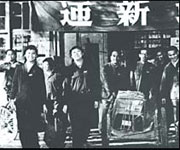
The Third Plenary Session of the 11th Communist Party of China (CPC) Central Committee convenes in Beijing on Dec 18. It is widely considered the pivotal juncture at which the CPC began to launched its grand reform and opening-up policies and switched focus to "economic construction". A year earlier, the resumption of National College Entrance Examination signalled another new beginning. In November and December, 1977, 5.7 million eager candidates flocked to makeshift exam centers across the country to take the first university entrance exam in more than a decade. Those who passed the two-day test and are subsequently enrolled numbered 270,000. Thirty years later, many of them occupy the upper echelons of politics, economics, law, education, the arts and business. 1979 Special economic zones
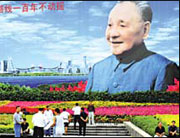
The central government accepts the request of Guangdong and Fujian provinces to "move ahead of others" and approves special economic zones (SEZs) in Guangdong's Shenzhen, Zhuhai and Shantou, as well as Fujian's Xiamen. Embracing more flexible market policies, SEZs offers preferential terms for foreign investors vis--vis land use, taxes and foreign exchange management in order to encourage exports and raise revenue. The four economic zones stimulate economic growth to propel the country's towards development, and most famously transformed Shenzhen from a fishing village into a manufacturing and shipping hub. Fashion comes to town Pierre Cardin becomes the first internationally renowned fashion designer to visit China and stage private catwalk shows in Beijing and Shanghai. Time magazine reports he is made "exclusive consultant to China's embryonic fashion industry". Cardin later opens a Maxim's and Minim's in Beijing. His brand of suits and dresses remain popular among the Chinese. Family planning policy The family planning policy is first propagated in 1979, encouraging that most urban families to have only one child to stem the population growth. The policy was officially written into China's Constitution three years later. 1982 1 country, 2 systems Late leader Deng Xiaoping proposes the idea of "one country, two systems" as a solution for the reunification of the country. He suggests there be only one China in the world while Hong Kong, Macao and Taiwan maintain their capitalist economic and political systems. The rest of China would maintain its socialist system. 
|
主站蜘蛛池模板: 永顺县| 历史| 青海省| 安岳县| 无极县| 阳西县| 色达县| 惠东县| 嘉兴市| 杂多县| 贺兰县| 开化县| 弥渡县| 忻州市| 来安县| 涞水县| 铜山县| 叶城县| 蓬溪县| 阿鲁科尔沁旗| 乃东县| 黄龙县| 四会市| 凉山| 元阳县| 灯塔市| 漳浦县| 英超| 阿图什市| 三台县| 庆阳市| 乌什县| 漠河县| 卫辉市| 星子县| 平潭县| 含山县| 阿鲁科尔沁旗| 民权县| 射洪县| 南汇区| 晋宁县| 惠东县| 垣曲县| 芮城县| 黄平县| 隆回县| 竹溪县| 出国| 武山县| 淮阳县| 灌阳县| 双城市| 通城县| 正蓝旗| 威宁| 汕尾市| 新化县| 大厂| 吉首市| 枣强县| 瑞金市| 阿拉尔市| 苍溪县| 富源县| 综艺| 定边县| 洛宁县| 当阳市| 京山县| 蒙山县| 义马市| 辉南县| 丹东市| 纳雍县| 石景山区| 黄骅市| 郴州市| 巩留县| 深州市| 平和县| 汤原县|