|
|
 |
 Raymond Zhou:
By jingo, they're mad!  Op Rana:
Consumerism and politics of waste   Ravi S. Narasimhan:
Lessons from SARS have to be applied  Alexis Hooi:
Beyond the death and destruction  The way we were
By Raymond Zhou (China Daily)
Updated: 2008-12-18 07:45 What we listened to
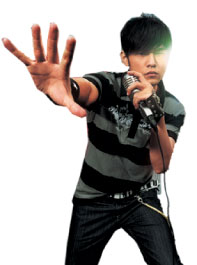
By any measure, Teresa Teng was a watershed, not just for pop music in China, but for cultural consciousness as a whole. Before the Taiwan chanteuse's albums became available, music on the mainland was mostly the kind you could march to. Teng showed us, more through the way she sang than through her words, that music could be about personal feelings, especially love, which had been forbidden territory. All this was made possible by a little gadget called the cassette tape recorder. Teng's songs were never allowed on air, but people copied them, one tape at a time, and passed them on to friends and neighbors. For several years, you couldn't walk through a residential area without hearing a Teng tune wafting from one of the buildings. If Teng put sugar in our music, Cui Jian added spice. When China's own rock star burst on the scene in the late 1980s, he created an outlet for frustration. I Have Nothing, his anthem, gave voice to a whole new "lost" generation. Rock has since gained some acceptance, if not mainstream status. Today, China's army of "angry youth" is growing by leaps and bounds, but they are venting in Internet forums rather than through rock music. Karaoke, which appeared in the late 1980s as an import from Japan, caught on here in a big way. Whereas people in the West tend to be more expressive, we Chinese are taught to be reserved. We don't have a tradition of partying. That made karaoke an instant sensation. People who were normally reserved had a platform to let their hair down, so to speak. Suddenly, singing became a form of socializing, as humor is to Americans. Hong Kong and Taiwan have spearheaded the Chinese mainland's pop industry, churning out a steady diet of pop idols. Beginning in 1987, pop singers from Hong Kong and Taiwan began to perform on the mainland, so fans could actually see their idols, including Hong Kong's "Four Heavenly Kings". The talented Jay Chou (left), whose music draws on everything from popular culture at one extreme to classical Chinese at the other, also enjoys a huge following. Today, music schools have incorporated pop music into their curricula. However, singing styles, from Western opera to Chinese opera (once known as "Chinese folk"), have not changed much in the past three decades. Some new styles are emerging, such as "primitive singing", usually by ethnic minority groups without academic training. Some call these "real Chinese folk songs", but even as a group, they have yet to match the commercial success of Jay Chou. 
|
主站蜘蛛池模板: 夏邑县| 延吉市| 浙江省| 隆德县| 卓资县| 凌源市| 武平县| 名山县| 板桥市| 工布江达县| 沙湾县| 深水埗区| 沾益县| 衡阳市| 敖汉旗| 邳州市| 桃江县| 青铜峡市| 彝良县| 津市市| 即墨市| 内乡县| 翼城县| 萨迦县| 雅安市| 二连浩特市| 哈巴河县| 罗江县| 麻阳| 东乌| 新源县| 菏泽市| 区。| 绥棱县| 天镇县| 老河口市| 阿克| 余干县| 梁河县| 马关县| 阜平县| 鄄城县| 温泉县| 双城市| 静海县| 东明县| 井冈山市| 吴江市| 库车县| 临漳县| 乳源| 石泉县| 威信县| 武平县| 蒙阴县| 乐陵市| 惠安县| 自贡市| 河北区| 北海市| 永仁县| 乌兰察布市| 冀州市| 凌源市| 慈溪市| 神农架林区| 宜州市| 桃源县| 蕉岭县| 黄梅县| 青神县| 兴化市| 呼和浩特市| 洛川县| 崇义县| 府谷县| 衢州市| 海南省| 和硕县| 当涂县| 黄平县| 西和县|